

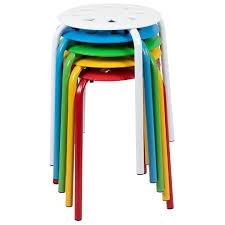

Plastic Stool purchasing requires careful consideration of product design, material properties, and manufacturing consistency. For wholesalers, retailers, and distributors, selecting suitable seating involves more than comparing appearance and unit prices. Buyers should consider the intended application, expected usage conditions, storage arrangements, and transportation requirements. Reviewing these factors before placing an order can help establish clear specifications and reduce potential purchasing problems.
Identify the Intended Usage Environment
The first step is to understand where the product will be used. Household kitchens, gardens, schools, workshops, and commercial facilities may have different requirements. For example, compact designs can fit smaller indoor spaces, while wider seating surfaces may be suitable for certain public or workplace environments.
Buyers should review overall height, seat dimensions, leg spacing, and product weight. These specifications influence usability, storage, and compatibility with the target market. Outdoor applications may also require attention to moisture exposure, sunlight, and temperature changes.
Sharing the intended application with the manufacturer helps clarify which design is appropriate. It also gives both parties a practical starting point for discussing product specifications.
Check the Raw Material Information
Material selection affects weight, stiffness, impact resistance, and service performance. Polypropylene and high-density polyethylene are commonly considered for household products, but the suitable option depends on the design and expected conditions.
Buyers should request specific material details instead of relying only on general product descriptions. Confirm the resin grade, recycled content if applicable, and whether the proposed specification meets the project's requirements.
Color consistency also deserves attention, particularly when an order includes several variations. Buyers can request samples or provide color references before production. An approved sample gives the supplier a clear standard for subsequent manufacturing and inspection.
Evaluate the Supporting Structure
A stable product depends on the relationship between the seating surface, supporting legs, and base structure. Buyers should examine leg alignment, connection areas, reinforcing ribs, and the thickness of important sections.
A sample inspection can reveal uneven surfaces, rough edges, visible deformation, or inconsistent assembly. However, appearance alone cannot establish load performance. Buyers should ask whether the manufacturer can provide relevant testing information.
Before ordering, both parties should agree on the expected load, testing method, and acceptance criteria. Checking samples on a level surface can also help identify rocking or uneven contact with the floor.
Review Stacking and Packaging Arrangements
Storage efficiency can influence the total cost of wholesale purchasing. Products designed for stacking may help reduce warehouse space and improve transportation arrangements. Buyers should nevertheless confirm whether the units can be stacked securely without causing scratches or deformation.
Ask the supplier to provide the recommended stacking quantity and dimensions after stacking. Carton measurements, protective materials, and container loading plans should also be reviewed before shipment.
For long-distance transportation, suitable packaging can reduce damage caused by pressure, movement, or repeated handling. Reviewing a packing sample before mass production can help clarify how the goods will be protected.
Discuss Customization Requirements
Different markets may prefer different colors, dimensions, shapes, and branding details. Buyers planning OEM or private-label projects should communicate these requirements before production begins.
Drawings, reference photographs, color samples, and existing specifications can help the manufacturer understand the requested changes. The supplier can then evaluate whether adjustments may affect tooling, production time, or minimum order quantities.
Buyers should also confirm sample arrangements, approval procedures, delivery schedules, and packaging details. Recording these requirements in writing helps prevent differences between the approved design and the delivered goods.
Set Practical Quality Inspection Standards
Before mass production, buyers should identify the inspection points that matter to their business. These may include dimensions, product weight, color, surface finish, leg alignment, load performance, stacking condition, and packaging quality.
An approved sample can serve as a reference during manufacturing and final inspection. Buyers should also discuss how defects are classified and how inspection results will be documented.
Photographs, measurement records, and sample comparisons can make quality communication more objective. Clear acceptance standards also help both parties understand which conditions must be met before shipment.
Assess Supplier Communication and Production Support
A purchasing decision should consider more than the physical product. Buyers can evaluate whether a manufacturer answers technical questions clearly, provides detailed quotations, and communicates production changes in a timely manner.
Useful questions include whether the supplier supports customized orders, how production progress is reported, and what assistance is available if delivered goods do not match agreed specifications.
A supplier that provides clear information about manufacturing procedures, inspection arrangements, and delivery schedules can make cooperation easier to manage. Comparing these service details alongside samples and quotations gives buyers a more complete basis for evaluation.A well-planned purchase depends on clear specifications, suitable materials, structural checks, and reliable communication. By reviewing these details before confirming an order, buyers can better align product requirements with market expectations and shipping arrangements. To explore household product options or discuss a customized project, visit https://www.cnsandine.com/ and contact the team with your purchasing requirements.



