

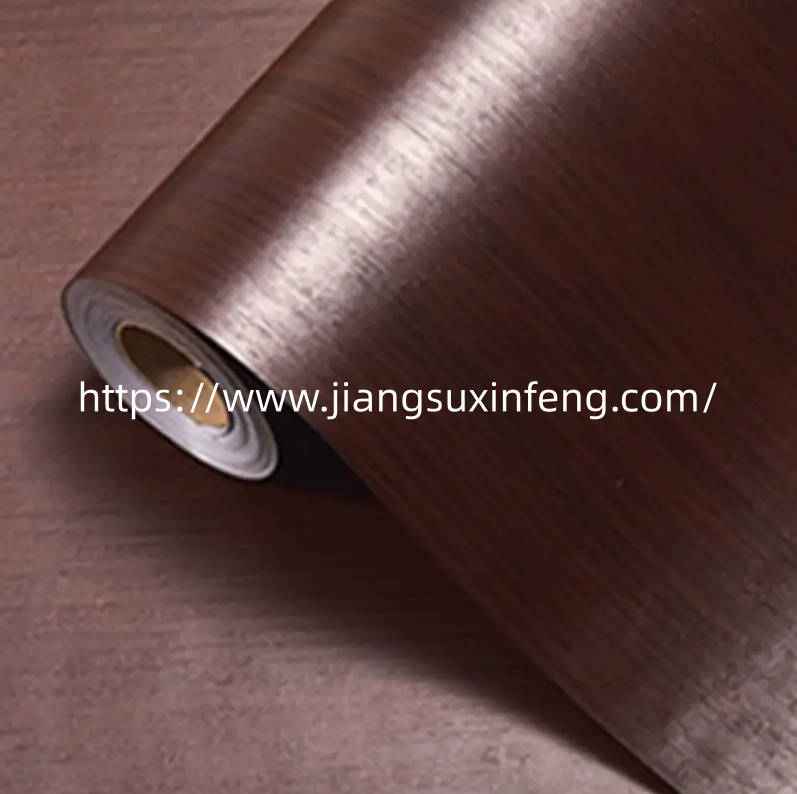
Selecting Macaron-Inspired Film for Furniture and Interior Projects

Color can influence how people experience a space before they notice its furniture, layout, or decorative details. Soft pastel shades create a gentle visual presence, making them useful in interiors that aim to feel welcoming rather than dramatic. When designers consider Macaron Color PVC Film, they look beyond its delicate palette to how the material covers a surface, responds to processing, and coordinates with other finishes. Its appeal comes from combining a calm color identity with the practical adaptability of decorative film.
The material foundation of decorative film affects both its production behavior and finished appearance. PVC film is made from a polymer formulation that can be adjusted to suit different decorative purposes. Components such as pigments and stabilizing ingredients contribute to the film’s color and processing characteristics, while finishing methods influence its surface feel. In pastel designs, color consistency is particularly important because subtle shades rely on balance rather than strong contrast. A carefully developed film can help create a coordinated look across furniture panels, wall surfaces, and decorative elements.
For buyers, choosing a suitable film begins with understanding the intended application. A wardrobe door, a decorative wall panel, and a retail display may each call for different considerations. The substrate, surface condition, installation process, and desired finish should all be reviewed before a product is selected. Pastel colors can appear different under warm and cool lighting, so viewing samples in the intended environment is valuable. Buyers should also consider whether the film needs to cover an existing color or pattern, since opacity and substrate appearance can influence the final result.
Manufacturing technology helps translate a color concept into a consistent decorative surface. Film-forming processes establish the material’s base structure, while printing and finishing techniques can influence its color presentation and texture. For solid or softly colored designs, evenness across the surface is especially noticeable. A small variation may stand out more clearly than it would in a heavily patterned finish. Quality review therefore involves more than confirming the selected shade; it also includes examining surface uniformity and compatibility with the customer’s application process. Coordinating these factors helps manufacturers and converters work toward a predictable decorative result.
Functionality is closely connected to how the film is used. Depending on the product construction, decorative film may be applied to panels or other suitable surfaces through lamination or related processes. The material needs to work with the chosen substrate and production method, including any forming or bonding steps involved. Buyers should communicate the intended use and processing conditions to their supplier, then evaluate samples as part of the complete assembly. This approach helps reveal whether the film’s appearance and handling characteristics are appropriate for the project instead of relying on appearance alone.
The user experience begins with the installation process and continues through daily interaction with the finished surface. A well-planned application can help create a smooth, visually coherent result, while suitable surface preparation supports consistent bonding. Once installed, the film becomes part of the environment people see and touch every day. Furniture surfaces may be exposed to routine contact and cleaning, so care instructions should be considered during material selection. Testing the finished assembly and following supplier guidance can help users maintain its appearance while reducing the chance of damage caused by unsuitable cleaning methods.
The design possibilities of soft-color film extend beyond choosing a pastel shade. Pale pink, muted blue, gentle green, and creamy yellow can establish different moods while remaining visually restrained. These colors can be paired with natural wood, neutral textiles, brushed metal, or simple geometric forms. In a bedroom, a soft shade may contribute to a relaxed atmosphere; in a shared living space, it can introduce color without making the room feel crowded. Designers can also use coordinated tones across cabinets, panels, and decorative details to create continuity. Surface texture matters as well, since a matte or subtly textured finish can soften the way color is perceived.
Jiangsu Xinfeng Star Film Materials Co., Ltd. specializes in the research, development, and manufacturing of PVC calendered films, thermofoil decorative films, self-adhesive decorative films, and release liners. Its Macaron Color High Opacity Film Series is presented for interior decoration, including spaces such as bedrooms, living rooms, and dining areas. Buyers exploring pastel decorative film can discuss the intended surface, desired color atmosphere, coverage needs, and application process when reviewing suitable options. More information about the company and its film materials is available at https://www.jiangsuxinfeng.com/.



