

Why are professional packaging and fulfillment solutions important for product brands?
Launching a quality product is only one part of building a successful business. Brands must also ensure that products are packaged properly, stored appropriately, prepared accurately, and delivered to customers in good condition. Why are professional packaging and fulfillment solutions important for product brands? They help businesses maintain product presentation, protect items during transportation, manage inventory, improve order accuracy, and create a consistent customer experience. For growing companies, having an organized packaging and fulfillment process can also make it easier to handle increasing demand.
1. Packaging Creates the First Impression of a Brand
Packaging is often the first physical interaction customers have with a product. Before using a skincare cream, opening a supplement bottle, or trying a wellness beverage, customers see and handle its packaging.
Professional packaging helps businesses communicate their brand identity through design, materials, colors, labels, and product presentation. Consistent packaging can make products look more organized and recognizable across different sales channels.
For example, a skincare company may choose attractive jars and protective cartons to present its products professionally. A supplement brand may use clearly labeled bottles that make product information easy to understand.
Packaging should not focus only on appearance. It should also be practical, durable, and appropriate for the product. The right packaging helps create a positive first impression while supporting the product's intended use.
2. Professional Packaging Helps Protect Product Quality
Product protection is one of the most important responsibilities of packaging. Products may experience handling, storage, movement, and transportation before reaching customers. Inadequate packaging can increase the risk of leakage, breakage, contamination, or other damage.
Different products require different packaging considerations.
-
Supplements: Bottles, jars, sachets, and other formats should be appropriate for the product and its storage requirements.
-
Skincare products: Creams, serums, and lotions may require suitable containers, closures, and protection against leakage.
-
Beverages: Bottles, cans, and other containers must be compatible with the formulation and intended distribution conditions.
-
Personal care products: Packaging should support convenient use while protecting the product during handling and storage.
Packaging decisions should account for material compatibility, closure performance, storage conditions, and relevant product safety requirements. Testing may be necessary to determine whether the selected packaging is suitable for the product.
3. Fulfillment Solutions Improve Order Accuracy
Order fulfillment includes the activities required to receive, process, prepare, pack, and dispatch customer orders. When these activities are not properly organized, businesses may experience incorrect shipments, missing products, inventory discrepancies, and delivery delays.
Professional fulfillment processes can help establish consistent procedures for:
-
Receiving and organizing inventory
-
Tracking available product quantities
-
Picking the correct products for each order
-
Checking orders before dispatch
-
Packing products according to requirements
-
Preparing shipments and shipping documentation
Accurate order preparation helps reduce avoidable mistakes and improves the overall purchasing experience. Inventory visibility and organized workflows can also help businesses identify stock shortages and plan replenishment more effectively.
4. Better Packaging Strengthens Customer Experience
Customers evaluate more than the product itself. They also notice how an order arrives, whether the packaging is damaged, and whether the correct items have been included.
A well-prepared package can make the purchasing experience feel more professional. Clean presentation, suitable protective materials, organized product placement, and clear labeling all contribute to customer satisfaction.
Brands can also use packaging to create a recognizable experience through:
-
Branded boxes and shipping materials
-
Product information cards
-
Promotional inserts
-
Samples and product bundles
-
Consistent labels and visual design
-
Easy-to-open packaging
However, packaging should remain practical. Excessive materials can increase costs and create unnecessary waste. The goal is to balance brand presentation, product protection, convenience, and shipping efficiency.
5. Professional Services Can Support Business Growth
As a brand grows, packaging and fulfillment become more complicated. A company that initially handles a few orders each day may eventually need to manage hundreds or thousands of shipments, multiple product variations, wholesale orders, and promotional campaigns.
Professional packaging and fulfillment support can help businesses prepare for this increase in operational demand.
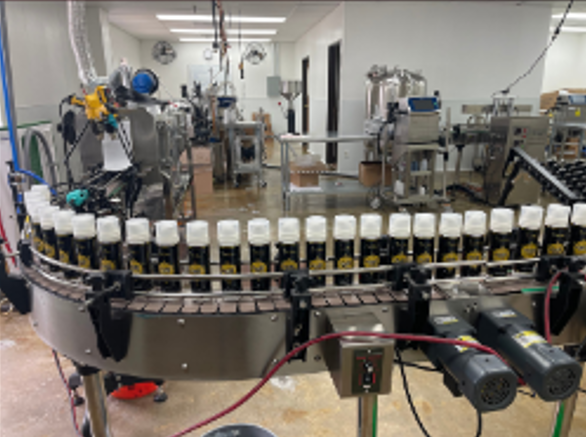
Depending on the provider, services may include product filling, labeling, packaging, kitting, inventory handling, order preparation, and shipping coordination.
Outsourcing selected activities can also reduce the need for a business to manage every operational task internally. This may allow its team to concentrate more on product development, marketing, sales, and customer relationships.
The benefits depend on the provider's capabilities, pricing, systems, and the brand's actual order volume. Businesses should compare the total cost of outsourcing with the cost of managing these operations themselves.
6. Packaging and Fulfillment Help Maintain Brand Consistency
Consistency matters when products are sold through multiple channels. A brand may distribute products through its website, online marketplaces, retail stores, and wholesale partners.
Each channel may have different packaging, labeling, and shipping requirements. Without clear procedures, product presentation and order preparation can become inconsistent.
Professional packaging workflows can help businesses establish standard requirements for:
-
Product labels and packaging specifications
-
Packaging materials and sizes
-
Product quantities and bundle configurations
-
Retail-ready cartons and shipping cases
-
Inspection procedures before dispatch
Maintaining consistent standards can help customers and retail partners receive products in the expected condition. It also makes it easier for internal teams and external service providers to follow the same procedures.
7. How Packaging and Fulfillment Support Different Industries
The requirements of packaging and fulfillment vary depending on the product category and target market.
Nutraceutical and Supplement Brands
Supplement businesses need packaging that is appropriate for powders, capsules, tablets, gummies, and liquid products. Label accuracy, container suitability, lot identification, and storage requirements should be considered during planning.
Cosmetic and Skincare Brands
Cosmetic products often require careful attention to appearance, container compatibility, dispensing systems, and leakage prevention. A serum bottle, moisturizer jar, and body lotion container may each require a different packaging approach.
Beverage Businesses
Beverage brands must consider container compatibility, filling requirements, product stability, labeling, and transportation. Packaging should be selected according to the formulation and distribution conditions.
Personal Care Manufacturers
Personal care products such as lotions, soaps, and hygiene products require suitable containers and closures. Packaging should support convenient use while protecting products during storage and shipment.
AMX Lab Services works across nutraceutical, cosmetic, beverage, and related manufacturing categories. Its packaging and co-packing services may be relevant to businesses looking for support with product preparation and packaging requirements. Brands should confirm the specific services, order quantities, and fulfillment arrangements available for their projects.
8. How to Choose the Right Packaging and Fulfillment Partner
Selecting a suitable partner requires evaluating more than the price of packaging or the speed of shipping. Businesses should understand the provider's capabilities and how its processes fit their products.
Consider these factors before making a decision:
-
Industry experience: Look for experience with your product category and packaging format.
-
Available services: Confirm whether the provider offers filling, labeling, packing, kitting, inventory handling, or shipping support.
-
Quality procedures: Ask about inspection processes, batch records, packaging checks, and order verification.
-
Production capacity: Make sure the provider can handle current requirements and potential increases in demand.
-
Packaging options: Review available materials, container types, labeling options, and customization possibilities.
-
Communication: Understand how order updates, inventory information, and operational issues will be handled.
-
Pricing structure: Request a breakdown of setup fees, material costs, handling charges, storage, and shipping expenses.
AMX Lab Services provides manufacturing and packaging-related solutions for businesses in health, wellness, beauty, and beverage categories. Before selecting a provider, brands should discuss their product specifications, packaging needs, expected volumes, and distribution plans.
9. How Can Businesses Prepare for Professional Packaging and Fulfillment?
Preparation helps businesses avoid delays and unexpected expenses. Before starting a project, organize the information that a packaging or fulfillment provider will need.
First, identify the products that require packaging and determine their dimensions, quantities, and storage needs. Next, finalize the packaging design, labels, and required product information.
Businesses should also estimate their expected order volume, identify their sales channels, and establish procedures for handling damaged products, returns, and inventory replenishment.
It is useful to create written packaging instructions that explain how each product should be packed, which materials should be used, and whether promotional inserts or special handling are required.
Finally, discuss responsibilities and timelines with the provider before production or fulfillment begins. Clear agreements help both parties understand the expected service and reduce the likelihood of misunderstandings.
Conclusion
Professional packaging and fulfillment solutions play an important role in protecting products, maintaining brand presentation, improving order accuracy, and supporting business growth. They connect the product manufacturing process with the customer's actual experience.
For supplement, skincare, beverage, and personal care brands, packaging decisions should account for product protection, material compatibility, labeling, and distribution requirements. Fulfillment processes should also support accurate inventory management and reliable order preparation.
By choosing a capable partner and establishing clear procedures, businesses can create a more organized operation and provide customers with a consistent product experience. AMX Lab Services offers manufacturing, packaging, and co-packing-related services for businesses exploring solutions across several health and wellness product categories.



