

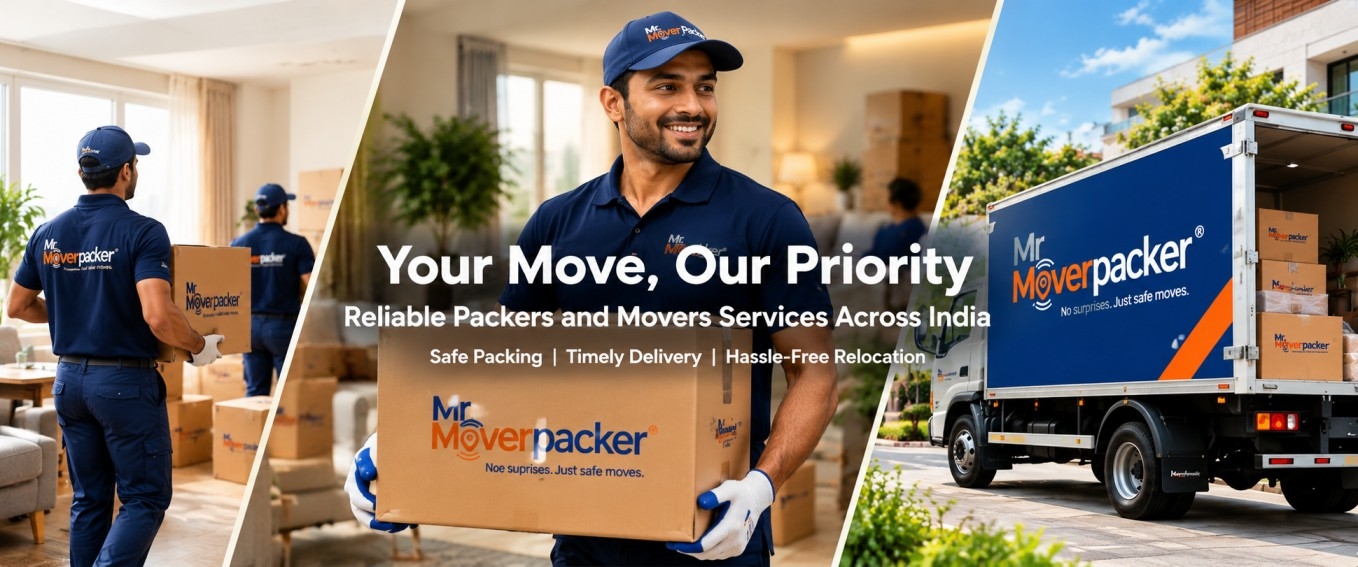
Mr. Mover Packer Guide: How to Plan a Smooth Move When Relocating to a Different Neighbourhood

Moving to a different neighbourhood can be an exciting opportunity to enjoy a new environment, reduce your commute, or find a home that better suits your lifestyle. However, even a short-distance relocation requires careful planning. Packing household belongings, arranging transportation, managing building access, and settling into an unfamiliar area can quickly become challenging without a clear strategy.
Mr. Mover Packer can be part of your relocation planning by helping you explore household shifting and packing options. Whether you are moving from an apartment to an independent house or relocating within the same city, a structured plan can help you manage the process more efficiently.
1. Research Your New Neighbourhood Before Moving
Before finalizing your moving arrangements, learn about the area surrounding your new home. Understanding local facilities and access conditions can help you prepare for everyday life after relocation.
Consider the following factors:
-
Transportation: Check nearby roads, public transport options, and your daily commuting route.
-
Essential services: Identify grocery stores, pharmacies, hospitals, and other useful facilities.
-
Parking availability: Confirm where your moving vehicle can stop during loading and unloading.
-
Building regulations: Ask about moving hours, visitor entry, lift usage, and security procedures.
-
Daily convenience: Check the distance to schools, workplaces, markets, and other places you regularly visit.
Researching these details in advance can help you make practical decisions and reduce surprises on moving day.
2. Create a Relocation Plan and Moving Schedule
A successful move begins with a realistic timeline. Start by confirming your possession date, arranging transport, and deciding when each room will be packed.
Prepare a simple schedule covering packing, cleaning, document preparation, and the final inspection of your existing home. If you are moving with family members, assign responsibilities so everyone knows what needs to be completed.
For professional assistance with household relocation, review Mr. Mover Packer's home-shifting services. Planning your requirements in advance can help you determine which services are appropriate for your move.
3. Sort Household Belongings Before Packing
Relocating to a new neighbourhood is a useful opportunity to review what you own. Carrying unnecessary belongings increases the number of boxes you need to pack, transport, and unpack.
Divide your possessions into four groups:
-
Items you use regularly and want to keep.
-
Belongings that can be donated or given away.
-
Items that can be sold or recycled.
-
Damaged or unusable possessions that should be discarded responsibly.
After sorting, prepare a basic inventory of the items you plan to move. This can help you estimate packing requirements and keep track of your belongings during transportation.
4. Pack Items According to Their Purpose
An organized packing system makes unpacking easier, particularly when you need to resume your daily routine soon after arriving.
Pack an Essential-Items Box
Keep daily necessities separate from your main shipment. Include toiletries, chargers, basic cleaning supplies, medicines you normally use, a change of clothes, drinking water, and essential household items.
Label Boxes Clearly
Write the destination room and a brief description of the contents on each box. For example, use labels such as “Kitchen – Utensils” or “Bedroom – Bed Linen.”
Protect Fragile Belongings
Wrap glassware, decorative objects, and other breakable possessions individually with suitable protective materials. Use sturdy boxes and avoid leaving excessive empty space that allows items to shift during transit.
For help organizing packing requirements, explore the packing and unpacking services available through Mr. Mover Packer.
5. Arrange Transportation for Your Moving Day
Even when your new home is only a few kilometres away, transportation needs careful coordination. Narrow streets, busy intersections, parking restrictions, and building entry rules can affect loading and unloading.
Before moving day, confirm the pickup and delivery addresses, discuss the approximate quantity of belongings, and check whether large furniture can pass through stairways or doorways.
Choose a moving schedule that considers local traffic patterns and any restrictions imposed by your residential society. Keep your phone accessible so you can coordinate with the people involved in the relocation.
If you need to understand the expected cost, consult the Mr. Mover Packer pricing page and confirm the details applicable to your specific requirements.
6. Prepare Your New Home Before the Shipment Arrives
Whenever possible, visit your new property before moving day. Check that the rooms are ready for your belongings and identify where large furniture should be placed.
Useful preparation steps include:
-
Cleaning floors, shelves, cupboards, and accessible surfaces.
-
Checking electricity, water supply, and essential fixtures.
-
Measuring tight doorways or spaces intended for large furniture.
-
Deciding where beds, wardrobes, and major appliances will go.
-
Keeping pathways clear for the unloading process.
Having a basic room layout ready can reduce unnecessary furniture movement after delivery and make unpacking more manageable.
7. Choose Local Moving Services Based on Your Location
When comparing packers and movers, consider your pickup location, delivery address, household size, and the type of assistance required. Share accurate information about bulky furniture, fragile items, access restrictions, and preferred moving dates before requesting a quotation.
Mr. Mover Packer provides location-specific pages that you can review when planning a relocation in the following areas:
Review the relevant service details and confirm availability, inclusions, and charges directly before making a booking.
8. Keep Important Documents and Valuables Separate
Avoid placing essential documents and high-priority personal items inside boxes that will be difficult to access immediately after arrival.
Keep rental agreements, property documents, identification papers, financial records, jewellery, keys, and other important possessions in a secure place under your supervision.
Maintain digital copies of documents where appropriate, and make sure you know where the essential-items bag is throughout the moving process.
9. Settle In Gradually After Relocation
Once your belongings arrive, focus first on the rooms and items required for everyday living. Setting up the bedroom, bathroom, kitchen essentials, and internet connection can help you return to a normal routine sooner.
Unpack boxes according to their labels instead of opening everything at once. Check the condition of your belongings, keep packaging materials out of walkways, and dispose of unwanted materials responsibly.
Take some time to explore your new surroundings, locate nearby essential services, and introduce yourself to neighbours when appropriate. A gradual approach can make the transition feel more manageable.
Frequently Asked Questions
1. How early should I plan a neighbourhood move?
Start planning as soon as your moving date is reasonably clear. A few weeks of preparation can give you time to organize belongings, compare service options, and coordinate building access.
2. Are packers and movers useful for a short-distance move?
They may be useful when you have bulky furniture, appliances, fragile items, or limited time for packing and transportation. Compare your requirements and the available service options before deciding.
3. How can I estimate the cost of local house shifting?
The cost may depend on the quantity of belongings, distance, packing requirements, access conditions, and additional services. Share accurate details with the service provider and request a clear quotation.
4. What should I pack separately for moving day?
Keep essential documents, chargers, daily-use toiletries, a change of clothes, necessary medicines, keys, and other immediate necessities in a separate bag.
5. How can I make unpacking easier in my new neighbourhood?
Label boxes by room, prepare your new home before the shipment arrives, and unpack essential items first. A basic furniture layout can also reduce unnecessary lifting and rearrangement.
6. Does Mr. Mover Packer provide location-specific information?
You can review the location pages linked in this article to explore the information available for your city and confirm service details directly with the company.
Conclusion
Relocating to a different neighbourhood is easier to manage when you prepare your new home, organize your belongings, plan transportation, and create a realistic moving schedule. Taking time to research the area and arrange essential services can also help you settle in comfortably after the move.
Mr. Mover Packer can be a starting point for exploring home-shifting and packing options for your relocation. With careful preparation and clear communication, you can make your neighbourhood move more organized and focus on enjoying your new surroundings.



