

How Online Crystal Retailers Can Source Products and Build Customer Confidence
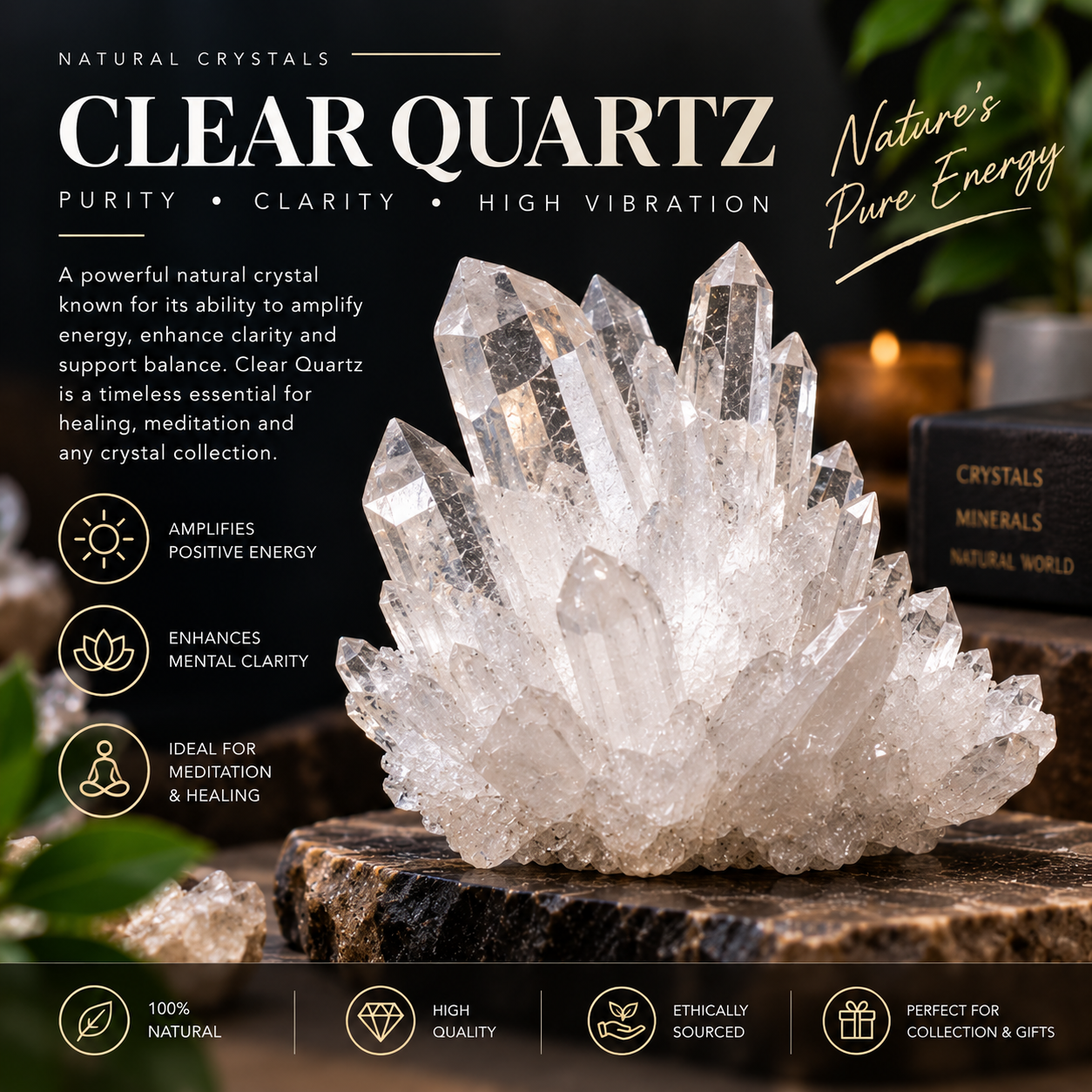
Selling crystals online creates opportunities for retailers to reach customers beyond a physical shop. It also introduces a specific challenge: customers cannot hold a stone, examine its surface or compare its size in person before making a purchase. For an online crystal business, product sourcing and product information must work together. A suitable wholesale supplier provides the starting point, while accurate descriptions, clear photographs and dependable order processes help customers make informed decisions.
Why Online Crystal Retail Requires a Different Approach
A physical retailer can answer questions while a customer examines an item, but an online listing must communicate much of that information independently. Customers need to understand what the product is, how large it is, what finish it has and whether the displayed image represents an individual item or a typical example. If these details are unclear, even an attractive product can lead to hesitation, repeated enquiries or disappointment after delivery.
This makes product information part of the buying experience rather than an administrative task. Retailers should collect the necessary specifications when sourcing their stock, not wait until they are preparing a listing. The earlier these details are confirmed, the easier it becomes to create consistent descriptions and reduce the risk of publishing information that cannot be supported.
Source Products That Can Be Described Accurately
When comparing crystal wholesalers, ask what information is available for each product category. Useful details may include the material name, approximate dimensions, weight where relevant, surface finish, form and known limitations in product consistency. If a product is sold in assorted sizes or as a mixed selection, the listing should explain that clearly so customers understand what they are ordering.
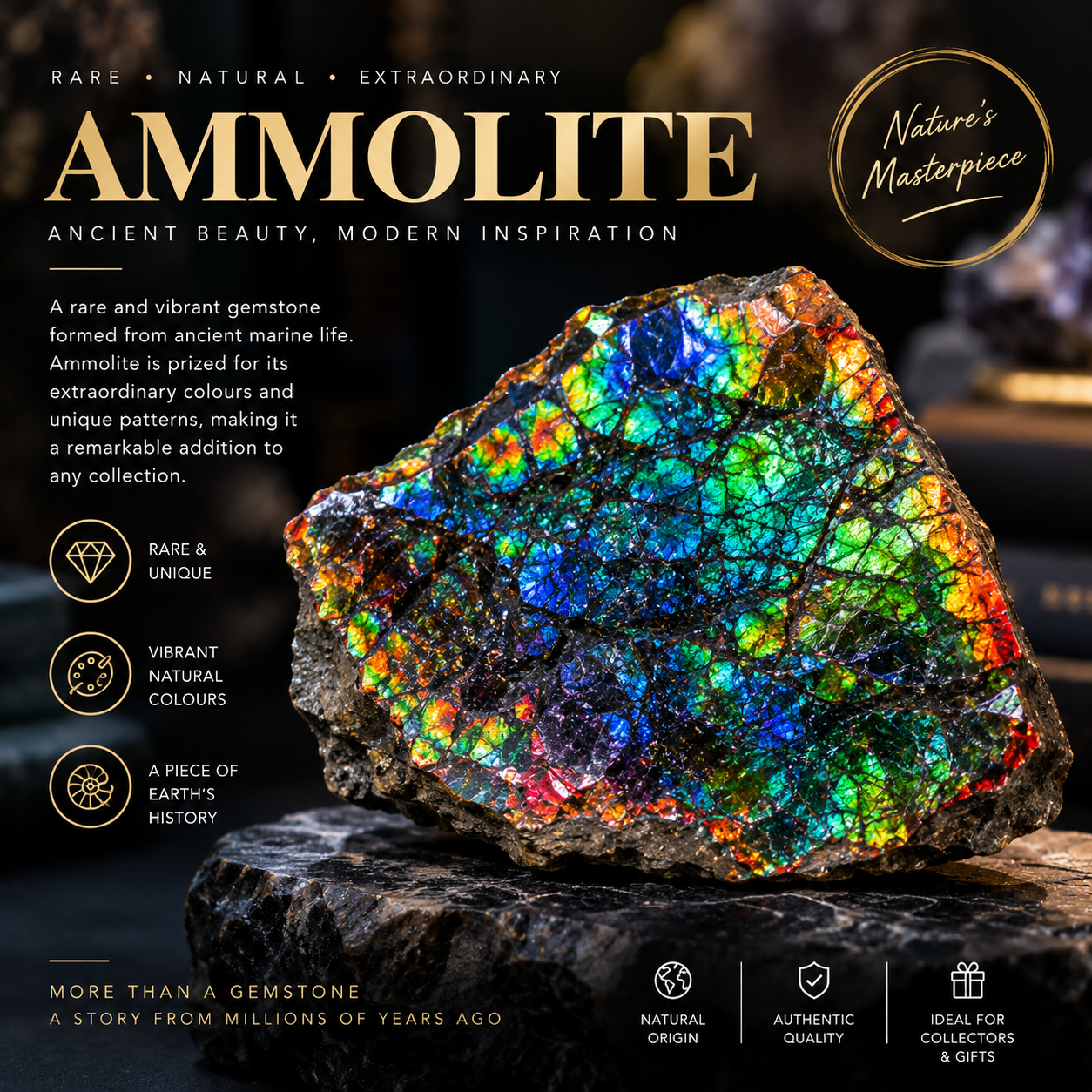
Natural materials require particular care in online presentation. Colour may appear different under various lighting conditions, and individual pieces can vary in shape or pattern. Retailers should avoid presenting a representative image as an exact photograph of every item unless that is genuinely how the products are sold. Clear descriptions of variation help align customer expectations with the product supplied.
Build Product Photography Around Useful Details
Strong product photography should help customers assess the item, not simply make the website look attractive. Use a clean main image, a close-up showing surface characteristics and additional views that clarify shape and finish. Including a familiar size reference or displaying measured dimensions can also help customers understand the scale of a crystal more accurately.
Consistency matters across the catalogue. Similar lighting, image backgrounds and framing make it easier to compare products while giving the store a more organised appearance. At the same time, editing should not conceal meaningful characteristics or materially alter the product’s colour. The objective is to present the item clearly and attractively without creating a misleading impression.
Write Product Descriptions for People and Search Engines
A useful product description answers the questions a potential buyer is likely to ask. Identify the product clearly, describe its observable characteristics, provide relevant measurements and explain any important ordering details. Where suitable, mention the intended decorative or jewellery-making use, but avoid suggesting that every item is appropriate for every purpose without checking its actual characteristics.
Search-friendly content should follow the same principle. Use the main product term naturally in the title and opening description, then include relevant details that distinguish the item from similar products. Repeating the same keyword in every sentence adds little value; clear information about material, size, finish and use is more helpful to shoppers and gives search systems meaningful context.
Set Expectations for Orders, Delivery and Returns
Before publishing a listing, make sure your business can explain the ordering process. Customers may want to know how products are packed, how shipping is calculated, when an order is expected to be dispatched and what to do if an item arrives damaged. Your policies should reflect your actual operating arrangements and applicable consumer requirements rather than copying generic promises from another retailer.
For wholesale purchases, confirm the supplier’s minimum order quantity, lead times, shipping arrangements and process for handling discrepancies. Keep written records of specifications and order confirmations, particularly for products where appearance or dimensions matter. These steps can help you manage customer service more consistently as the business grows.
Use Customer Questions to Improve Your Catalogue
Questions from customers can reveal missing information in your product pages. If buyers repeatedly ask about size, colour variation, material or suitability for jewellery making, consider adding those details directly to the listing. This reduces the need for repeated manual replies and helps future customers make decisions with greater confidence.
Review returns, complaints and frequently requested information alongside sales data. A product with strong interest but repeated confusion may need better photography or a clearer description. In contrast, a listing that consistently answers customer questions may provide a useful model for improving the rest of your catalogue.
Frequently Asked Questions
What should an online retailer ask a crystal wholesaler before ordering?
Ask about product specifications, natural variation, minimum order quantities, lead times, packaging, shipping and how discrepancies or damaged goods are handled. Request images or samples where available if appearance is important to your listings.
How should an online store describe natural crystal variation?
Explain that individual stones may differ in colour, pattern, shape or visible inclusions, where applicable. State whether the customer receives the exact pictured item or a representative product from a batch.
Do longer product descriptions automatically improve SEO?
No. Descriptions should be as detailed as needed to answer genuine customer questions. Relevant, accurate information is more useful than unnecessary length or repeated keywords.
How can online retailers reduce customer confusion?
Use clear photographs, accurate measurements, straightforward pricing and transparent delivery and return policies. Review customer questions regularly and update listings when important information is missing.
If you are building an online crystal store or improving an existing catalogue, start with products you can describe confidently and a sourcing process that supports accurate listings. Explore eocean.com.sg to learn more about East Ocean Crystals and enquire about product options for your business. Make your next wholesale order a stronger foundation for customer trust: ask the right sourcing questions, confirm the details and build an online collection that customers can understand before they buy.



