

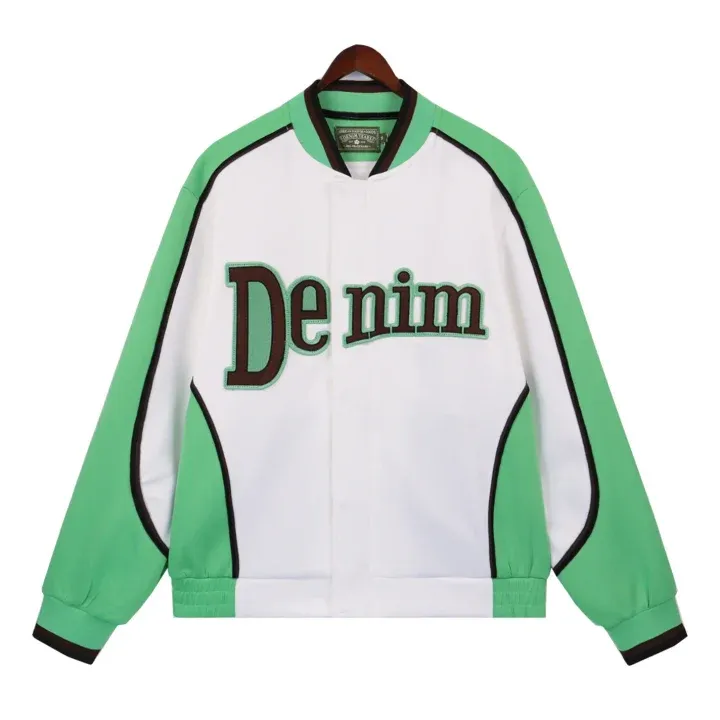
Denim Tears Clothing: The Complete Guide to the Brand
If you have spent any time around streetwear in the last few years, you have likely seen the cotton wreath. It shows up on hoodies, denim jackets, and sweatpants, usually in a simple, repeating pattern that looks almost like a flower but carries a weight far heavier than any floral print. That wreath is the signature of Denim Tear Clothing a brand that has quietly become one of the most talked-about names in contemporary fashion—not because of loud logos or celebrity co-signs, but because it makes you feel something.
This guide is for anyone who has been curious about Denim Tears, whether you are thinking about buying your first piece, wondering why everyone is talking about a cotton plant, or trying to figure out how to tell a real from a fake. I will walk you through what the brand actually is, why it matters, and how to wear it without looking like you are trying too hard.
What Denim Tears Really Is (And What It Is Not)
Denim Tears is not just another streetwear label. It was founded in 2019 by Tremaine Emory, a designer and creative who was born in Atlanta and raised in Jamaica, Queens . Emory has held roles at some of the most influential names in fashion and culture—Yeezy, Stüssy, and briefly as creative director at Supreme—but Denim Tears is where his personal vision lives . The brand describes itself as illustrating the complexities of Black American history, using clothing as a way to tell stories that have been overlooked or flattened .
That might sound like heavy stuff for a hoodie, but that is exactly the point. The name itself refers to cotton—the crop that built so much of the American economy on the backs of enslaved people—and the pain and suffering that came with it . The cotton wreath motif, that repeating pattern you see everywhere, was inspired by a photo the artist Kara Walker shared, and it has become a symbol that carries both beauty and sorrow at the same time .
What Denim Tears is not: it is not a fast-fashion brand chasing trends, and it is not a label that relies on shock value. It is also not particularly cheap. Pieces are produced in limited runs and tend to sell out quickly, which is part of why you see so much of it on resale sites. But the quality is real, and the intent behind the designs is genuine.
The Story Behind the Cotton Wreath
You cannot talk about Denim Tears without talking about the cotton wreath. It is the brand’s most recognizable symbol, and once you understand where it comes from, you will never look at it the same way.
The wreath is not decorative. It is a direct reference to the cotton plant, which is tied to the history of slavery in the United States. Emory has said that the brand launched in 2019, four hundred years after the first known enslaved Africans arrived in America, and that timing was deliberate . The cotton wreath appears on everything from hoodies to denim to sweatpants, and it serves as a quiet but persistent reminder of that history.
What makes the design work is its subtlety. Up close, you see the wreath pattern. From a distance, it reads as a texture or a print. That duality is part of what has made Denim Tears so appealing to people who want clothing with meaning but do not want to walk around wearing a history lesson on their chest. It is a conversation starter if you want it to be, and a clean design if you do not.
The brand has also expanded beyond the wreath. Recent collections have explored figures like André Leon Talley, the late Vogue editor whose style and presence left a lasting mark on fashion . The Fall/Winter 2026 collection, for example, is a 153-piece collaboration with Talley’s estate, released in waves . This is a brand that treats its references with care, and that shows in the final product.
How Denim Tears Actually Fits and Feels
One of the most common questions people have about Denim Tears is how the clothing fits. The answer is: it depends on the piece, but generally, the brand runs true to size with a relaxed, streetwear-friendly cut.
The Cotton Wreath hoodies and sweatshirts are heavyweight fleece, which means they feel substantial without being stiff. The fit is comfortable—not overly boxy, but not slim either. If you are between sizes, you can probably size down for a more fitted look or stay true to size for a classic hoodie feel. The thermal long sleeves are cut to a regular fit, with a lightweight waffle cotton that works well as a layering piece .
Denim is where things get more interesting. Denim Tears released its first in-house constructed denim collection recently, and the fits range from straight to baggy, with raw, light, and dark washes . The raw denim is stiff at first and breaks in over time, developing character with each wear. The light wash is softer and more immediately comfortable. If you are used to stretch denim, be prepared for a firmer feel—this is real denim, and it behaves like it.
For the track pants and shorts, the sizing follows a standard streetwear pattern. The Faux Astrakhan Track Pant, for example, has a relaxed waist and a straight leg opening, with an inseam around 30 to 31.5 inches depending on size . The takeaway is simple: check the size chart for each specific piece, because Denim Tears does not use a single universal fit across everything.
Authenticity: How to Avoid Getting Burned
Because Denim Tears is popular and produced in limited quantities, fakes are everywhere. The resale market is full of listings claiming to be authentic, and some of them are lying. If you are buying secondhand, you need to be careful.
The safest place to buy is directly from Denim Tears itself—either through the official website or at one of the brand’s physical locations . The flagship store, African Diaspora Goods, is at 176 Spring Street in New York, and there is a residency location in Atlanta at Lenox Square . Denim Tears also sells through Dover Street Market in Los Angeles and New York, which are authorized retailers .
If you are buying from a reseller, look for sellers who provide clear photos of the tags, the stitching, and the interior labels. Authentic Denim Tears pieces have consistent, clean stitching on the wreath pattern, and the tags should be crisp, not blurry or poorly attached. eBay feedback from buyers who have purchased from established resellers often mentions “100% authentic” and “original packaging,” which are good signs, but you should still do your own due diligence . If a price seems too good to be true—like a Cotton Wreath hoodie for $60—it almost certainly is.
How to Wear Denim Tears Without Overthinking It
The beauty of Denim Tears Clothing is that it is genuinely easy to wear. The pieces are designed to be lived in, not babied. A Cotton Wreath hoodie with a pair of jeans and sneakers is a complete outfit. The denim can be dressed up with a blazer or kept casual with a tee. The track pants are comfortable enough for travel and sharp enough for a casual dinner.
What makes Denim Tears work stylistically is restraint. Because the wreath pattern is repetitive and visually busy, it pairs best with solid colors and simple silhouettes. A black hoodie with the wreath print looks clean with dark denim or cargo pants. The denim jackets work well over plain white tees or under heavier coats in colder months. The brand’s own lookbooks tend to favor muted, earthy tones—browns, blacks, creams, and faded blues—which makes sense given the historical references.
One thing to keep in mind: Denim Tears is streetwear, but it is not loud streetwear. You will not find giant logos or aggressive graphics here. The brand’s power comes from its subtlety, and the best way to wear it is to let the pieces speak for themselves.
Caring for Your Denim Tears Pieces
If you are spending real money on clothing, you should know how to take care of it. Denim Tears pieces are built to last, but the cotton wreath print and the heavyweight fabrics need some attention to stay looking sharp.
For hoodies and sweatshirts, turn the garment inside out before washing and use cold water on a gentle cycle . Avoid fabric softener, which can build up on the print and dull it over time. Skip the dryer if you can—air drying is the safest option for anything with a graphic. If you must use a dryer, use the lowest heat setting and take the piece out while it is still slightly damp .
For denim, wash inside out in cold water and do it less often than you think. Denim does not need to be washed after every wear—spot cleaning is often enough . High heat is the enemy here, whether from a dryer or from direct sunlight, because it accelerates fading and can damage printed details. Store jeans on a hanger or folded flat, and keep them out of direct sunlight to preserve the color.
Jackets, especially the trucker and workwear styles, generally need even less washing. Spot clean small stains and reserve full washes for when they are truly necessary . Store jackets on a sturdy hanger to maintain their shape.
The Bigger Picture: Why Denim Tears Matters
There is a version of this article that could just list the products and tell you where to buy them. But that would miss the point of what Denim Tears is doing.
This is a brand that has been exhibited at the Metropolitan Museum of Art’s Costume Institute and the SCAD Museum of Art . Tremaine Emory’s first solo exhibition, “Denim Tears from the Pool of Black Genius,” opened at SCAD in 2026 and runs through January 2027 . The show places Denim Tear garments alongside works by artists like Romare Bearden, Faith Ringgold, and Charles White, making the argument that fashion can be conceptual art and that clothing can carry history .
That might sound pretentious, but it is not meant to be. Emory has said that he chose to make clothing instead of gallery art because he wanted to reach people who might not walk into a museum . A hoodie with a cotton wreath on it can start a conversation in a way that a painting on a wall sometimes cannot. That is the real innovation here: making history accessible through something people already want to wear.
For the person buying Denim Tears, that means you are not just buying a garment. You are buying into a story that is still being told, and you are wearing a piece of a conversation that is bigger than any single season or trend.
Frequently Asked Questions
What is Denim Tears known for?
Denim Tears is known for its cotton wreath motif and for using clothing to tell stories about Black American history, founded by Tremaine Emory in 2019 .
Who founded Denim Tears?
Tremaine Emory, a designer and creative who was born in Atlanta and raised in Queens, New York .
Where can I buy authentic Denim Tears clothing?
The only guaranteed authentic sources are the Denim Tears website, the African Diaspora Goods stores in New York and Atlanta, and Dover Street Market locations .
How does Denim Tears clothing fit?
Most pieces run true to size with a relaxed, streetwear-friendly cut; check the size chart for each specific item, especially denim .
What is the cotton wreath symbol?
It is a reference to the cotton plant and its connection to slavery in America, designed to carry both beauty and historical weight .
Are Denim Tears hoodies heavyweight?
Yes, the Cotton Wreath hoodies and sweatshirts are made from heavyweight fleece for a substantial feel .
How should I wash my Denim Tears hoodie?
Turn it inside out, wash in cold water on a gentle cycle, skip fabric softener, and air dry if possible .
Does Denim Tears make denim jeans?
Yes, the brand released its first in-house constructed denim collection with raw, light, and dark washes in straight and baggy fits .
Is Denim Tears a Black-owned brand?
Yes, it was founded by Tremaine Emory, and its mission centers on Black American history and the African Diaspora .
Why is Denim Tears so expensive?
Pieces are produced in limited quantities, use premium materials, and carry cultural significance that drives demand on the resale market .
Denim Tears is not for everyone. It is not the cheapest option, it is not the easiest to find, and it asks you to think about what you are wearing. But for the right person—someone who wants clothing with substance, who cares about how things are made and what they mean—it is hard to find anything else quite like it. The cotton wreath is more than a logo. It is a reminder, a conversation, and a piece of history you can put on in the morning.



