

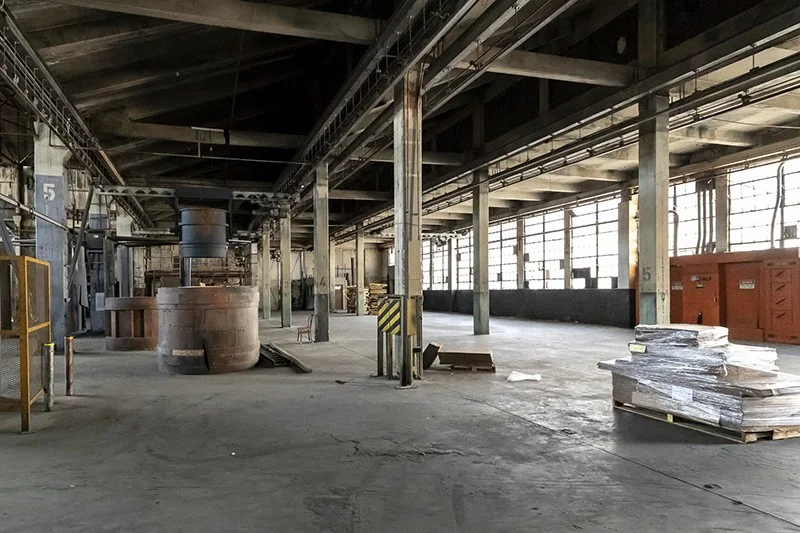

Hollywood Filming Locations give filmmakers, photographers, and content creators many opportunities to bring creative ideas to life. The area is closely connected with the entertainment industry and offers a range of urban settings, distinctive buildings, residential properties, and production spaces. Choosing the right location can help establish a scene's mood and make a project more visually appealing. However, successful filming requires more than an attractive background. Producers must also consider their budget, equipment, schedule, access, and permission requirements before confirming a location.
Why Hollywood Attracts Film and Video Productions
Hollywood has a strong connection to movies, television, advertising, and entertainment. Its recognizable atmosphere makes it appealing for projects that need a classic Los Angeles background or a modern urban setting. Filmmakers can explore different environments depending on the story they want to tell.
A production may need a commercial street, a private interior, a contemporary office, or a quiet location for a conversation scene. The wider Los Angeles area offers many types of properties, allowing creative teams to compare settings based on their needs.
Hollywood can also suit different production sizes. Small crews may look for flexible spaces for interviews, short films, and online content. Larger teams may need more room for lighting equipment, performers, vehicles, and support staff. Understanding these requirements early makes the search more focused and efficient.
Choose a Location That Supports Your Story
Every production starts with an idea. Before searching for a location, decide what the audience should see and feel during each scene. A mystery may require a quiet interior with dramatic shadows, while a commercial might need a bright and modern environment.
Read the script or creative brief and list the essential features for each scene. Consider the number of performers, camera angles, lighting arrangements, sound recording needs, and expected filming hours. If several scenes require similar surroundings, look for a property that can support more than one setup.
It is also important to distinguish between essential features and optional preferences. A location may look impressive online but lack sufficient space for the crew. Another property may have a simpler appearance but offer better access, more flexible hours, and lower overall costs.
Explore Indoor Locations for Controlled Scenes
Indoor properties provide greater control over lighting, sound, and the surrounding environment. They are useful for interviews, dialogue scenes, product videos, advertisements, and projects that require a consistent visual appearance.
Residential homes can provide a natural background for family scenes and lifestyle campaigns. Offices and commercial interiors may suit business videos, professional interviews, and corporate advertisements. Studios can be useful when a production needs a controlled environment for lighting, sound, or set construction.
Before booking an indoor property, inspect the available space. Check ceiling height, electrical access, windows, room dimensions, and possible camera positions. Ask whether furniture can be moved and whether the production can use additional rooms for equipment storage or performer preparation.
Sound conditions are equally important. Traffic, air conditioning, nearby construction, and other background noise can affect dialogue recording. If sound quality is essential, visit the location at the planned filming time and listen carefully before making a commitment.
Consider Outdoor Settings and Urban Backgrounds
Outdoor locations can add movement, natural light, and visual depth to a film. Streets, courtyards, gardens, building exteriors, and other suitable spaces can help create a strong sense of place.
The choice depends on the creative direction. A city street may suit a fast-paced scene, while a quieter exterior could work better for a personal conversation. Distinctive architecture can also provide visual interest without requiring elaborate set decoration.
Outdoor filming brings additional challenges. Sunlight changes throughout the day, and traffic or pedestrian activity can interrupt recording. Weather conditions may also affect the schedule. Producers should inspect the area at the expected filming time and prepare an alternative plan where possible.
Always confirm whether the selected outdoor space can legally and practically be used for filming. Public access does not automatically mean that a crew can set up equipment without permission.
Plan Location Scouting Before Booking
Location scouting Los Angeles helps production teams evaluate the appearance and practical features of potential filming spaces. An online search is a useful starting point, but an in-person visit can reveal issues that photographs may not show.
During the visit, check lighting, room dimensions, parking, equipment access, electrical facilities, and noise levels. Consider where the crew will wait, where performers can prepare, and how equipment will move between the vehicle and the filming area.
Take reference photographs when permitted and keep notes about each property. Record the rental cost, available hours, contact details, access instructions, and restrictions. Comparing these details makes it easier to identify the most suitable option.
If you cannot visit in person, request a recent video walkthrough. Ask for clear information about dimensions, stairs, elevators, restrooms, and loading access. Confirm important details directly with the property manager rather than relying only on promotional images.
Look Beyond One Neighborhood
Although Hollywood may be the main focus, expanding the search can help producers find a property that better fits the production's needs. Nearby areas may offer different architectural styles, quieter surroundings, or more practical rental arrangements.
For projects that need an urban atmosphere, shooting locations near West Hollywood may offer a range of commercial and contemporary settings. Check traffic, parking, access hours, and any restrictions before deciding whether a particular property is suitable.
Productions seeking a distinctive residential background may also explore shooting locations near Silver Lake. The best option depends on the appearance of the property, the type of scene, and the practical requirements of the crew.
When comparing neighborhoods, consider total travel time rather than distance alone. Parking, equipment transportation, and traffic can affect the schedule. A property with better access may be more valuable than one that looks slightly more attractive but creates logistical problems.
Understand Permits and Filming Permissions
Filming requirements vary depending on the property and the activities planned. Private locations generally require permission from the owner or authorized manager. Public streets, parks, sidewalks, and other public spaces may have separate rules.
Additional approval may be needed for large crews, lighting equipment, vehicles, temporary structures, traffic control, or activities that affect public access. Check the current requirements with the relevant filming authority before finalizing your plans.
A written agreement should explain the filming dates, working hours, fees, permitted activities, insurance requirements, and responsibilities for cleaning or damage. It should also state which areas the production can use.
Do not assume that permission for one building covers neighboring properties or nearby streets. Confirm the exact filming area and all relevant restrictions. Arranging permissions early helps reduce the risk of delays or last-minute changes.
Set a Practical Budget
A filming location can involve several expenses beyond the rental price. These may include permits, insurance, parking, transportation, cleaning, security, and overtime charges. Some properties may also require deposits or additional arrangements for equipment.
Ask for a complete price breakdown before booking. Confirm what is included, how much time is available for setup and cleanup, and whether extra hours will cost more. Review the cancellation policy in case the schedule changes.
One useful way to manage costs is to select a property that can support several scenes. Multiple rooms or different backgrounds within the same space may reduce the need for separate bookings. Careful scheduling can also reduce travel time and avoid unnecessary rental extensions.
The cheapest location is not always the best value. Consider the complete cost of using the property, including preparation, transportation, access, and the time required to make it ready for filming.
Prepare the Crew for Filming Day
Once a property is confirmed, prepare a clear schedule and share the important details with everyone involved. Include the address, arrival time, parking instructions, access information, and the contact details of the person responsible for the location.
Make sure the crew knows where equipment can be placed and which areas are restricted. Keep walkways clear and manage cables safely. Follow the property owner's instructions about furniture, decorations, and other items.
Respect nearby residents and businesses, especially when filming in active neighborhoods. Keep noise under control and avoid blocking entrances. At the end of the shoot, inspect the property, remove equipment, and complete any agreed cleaning.
Outdoor productions should also prepare for unexpected weather, noise, or access problems. Allow enough time for setup and final checks so that filming can begin without unnecessary pressure.
Create a Memorable Visual Experience
The most effective filming location supports the story instead of distracting from it. A recognizable background may be useful for a project that celebrates Hollywood, while a less familiar property may work better when the audience should focus on the characters or product.
Consider colors, textures, architecture, natural light, and background activity. These elements can shape the mood of a scene and influence how the audience understands it.
For commercial work, check whether visible signs, logos, artwork, or other recognizable details require additional permission. This is especially important when the finished content will be used in advertising or other commercial settings.
Good preparation allows the creative team to make better use of the chosen space. When the location, equipment, and schedule work together, filming becomes more organized and the final result can look more professional.
Frequently Asked Questions
1. What types of projects can be filmed in Hollywood?
Depending on availability and permission, suitable spaces may support films, television projects, commercials, music videos, interviews, and photography sessions.
2. Do I need a permit to film in Hollywood?
Requirements depend on the exact location and production activities. Public spaces and some filming setups may require approval. Check the relevant authority before filming.
3. How can I find a suitable filming property?
Start with the creative brief, identify your essential requirements, and compare properties based on appearance, space, access, rental costs, and restrictions.
4. What should I check before renting a location?
Review lighting, sound, electrical access, parking, crew space, available hours, insurance requirements, and cancellation terms before signing an agreement.
5. How can I keep filming costs under control?
Compare complete cost estimates, plan the schedule carefully, select practical locations, and look for properties that can accommodate multiple scenes.
Conclusion
Choosing a suitable location involves balancing creative goals with budget, access, and production requirements. Research different properties, arrange scouting visits, confirm permissions, and prepare the filming schedule well in advance. These steps can help the crew work efficiently and reduce unexpected problems. For support in exploring suitable production spaces, LA Filming Locations can help filmmakers identify options that fit their creative needs and project plans.



