

Printed Canopy Tent: Features, Uses, and Design Considerations for Outdoor Events

Outdoor events across the United States often require temporary shelters that provide shade, organize event spaces, and help visitors identify businesses, organizations, and activities. Farmers markets, trade shows, sporting competitions, community festivals, and corporate gatherings frequently use portable canopies to create designated areas without permanent construction. Alongside practical shelter, printed graphics can help establish a recognizable visual presence in busy outdoor environments.
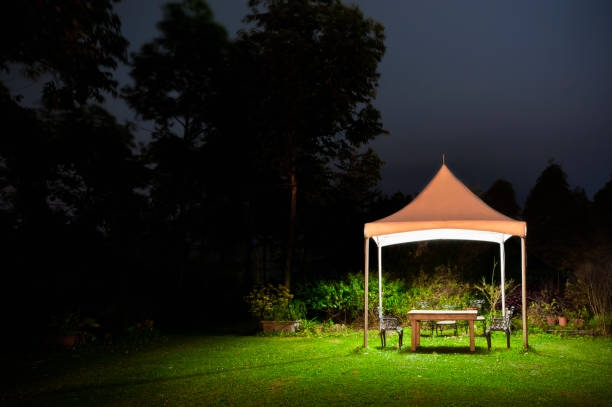
A printed canopy tent is a portable shelter featuring a fabric roof or optional sidewalls customized with graphics, text, colors, or organizational designs. These structures typically combine a collapsible frame with printed fabric, making them suitable for temporary installations at various outdoor venues. Their effectiveness depends on factors such as dimensions, material quality, printing methods, setup requirements, and weather conditions.
Understanding these features helps event organizers evaluate how printed canopies can meet their functional and visual requirements.
Understanding the Structure and Dimensions
A typical printed canopy consists of a supporting frame, a fabric roof, and optional side panels. Many portable models use folding frames that expand during setup and collapse for transportation and storage.
The frame may be constructed from steel or aluminum. Steel frames can provide substantial strength but are often heavier to transport. Aluminum frames are generally lighter, making them easier to handle during repeated event setups. Actual performance depends on frame design, component thickness, joints, locking mechanisms, and manufacturing quality.
Canopy dimensions determine how much covered space is available for merchandise, tables, equipment, and visitors. A 10-by-10-foot canopy, for example, provides approximately 100 square feet of ground coverage. This size can accommodate a small vendor booth, registration desk, information station, or product display, depending on the arrangement.
Organizers should also consider the space required around the canopy for anchoring equipment, visitor movement, and emergency access. The usable interior area may be smaller than the total footprint once furniture and displays are installed.
Common Applications of Printed Canopies
Trade Shows and Corporate Events
Outdoor trade shows bring together businesses, professional associations, and service providers in temporary exhibition spaces. Printed canopies can help distinguish individual booths and make organizational names or event messages visible to visitors.
The covered area may accommodate product demonstrations, brochures, registration desks, and conversations with attendees. Graphics should be readable from expected viewing distances without overwhelming the available space.
Event planners must also consider venue rules, booth dimensions, aisle clearance, and neighboring displays. A well-planned layout allows visitors to approach the booth without obstructing pedestrian routes.
Farmers Markets and Craft Fairs
Farmers markets and craft fairs often contain multiple vendors operating within a shared outdoor space. Printed graphics can help identify individual stalls and communicate the types of products being offered.
A vendor might display a business name on the canopy valance or use larger graphics across the roof panels. Clear lettering and contrasting colors can improve visibility in crowded environments.
Although the canopy provides shade, it does not replace appropriate food storage or temperature control. Vendors handling perishable goods must follow applicable food safety requirements and use suitable storage equipment.
Sporting Events
Sports teams, tournament organizers, schools, and community groups may use printed canopies for registration, refreshments, equipment storage, or participant gathering areas.
Team colors and event graphics can make designated spaces easier to recognize, particularly at tournaments with numerous teams and activity zones. Placement should account for spectator movement, playing boundaries, emergency routes, and officials' visibility.
Community Festivals and Public Gatherings
Community organizations frequently establish information booths at festivals, fundraisers, neighborhood celebrations, and public awareness events. A printed canopy can identify the organization and help visitors locate a specific activity or service.
The design may include a name, symbol, short message, or directional information. Organizers should keep the graphics readable and ensure the booth remains accessible to people with different mobility needs.
Printing Methods and Graphic Quality
The appearance of a printed canopy depends on the fabric, printing method, artwork, and final placement of the design. Dye-sublimation printing is commonly used with suitable polyester fabrics and can support detailed imagery and extensive color coverage. Other printing techniques may be appropriate depending on the material and production requirements.
Artwork should be prepared at an appropriate resolution to prevent pixelation. Logos, text, and important visual elements should remain clear when viewed from a distance.
Color contrast is another important consideration. Designs with insufficient contrast may be difficult to read in direct sunlight or against a visually busy background. Simple layouts often communicate information more effectively than designs containing excessive text and small decorative details.
Graphics must also account for seams, fabric tension, and panel shapes. A design that appears correctly positioned in a digital proof may look different when the canopy is assembled.
Reviewing the final artwork before printing helps identify spelling errors, incorrect proportions, and misplaced elements. Organizers should also confirm that the selected printing process is compatible with the intended fabric and expected conditions.
Selecting Suitable Canopy Materials
Fabric selection affects appearance, portability, durability, and weather resistance. Polyester is commonly used because it is relatively lightweight and compatible with various printing methods. Some canopy fabrics include coatings designed to improve water resistance or ultraviolet protection.
Performance varies according to fabric weight, coating, seam construction, and manufacturing specifications. A water-resistant canopy should not automatically be considered waterproof under every condition.
Frame material also influences portability and structural performance. Aluminum frames are generally lighter, while steel frames may offer a different balance of weight and strength. The quality of connections and locking components remains important regardless of material.
Canopy users should inspect the frame and fabric regularly for tears, loose fasteners, corrosion, or damaged joints. Timely maintenance can help identify problems before they interfere with setup or safe operation.
Weather Protection and Safety
Printed canopies can provide shade and limited protection from light rain, depending on their construction. However, they should not be treated as permanent structures or assumed to withstand severe weather.
Wind is a significant concern because the large fabric surface can catch moving air. Without appropriate anchoring, the structure may shift, lift, or collapse. Anchoring methods should match the ground surface, the manufacturer's instructions, and the conditions expected at the event.
Compatible stakes may be suitable for certain ground surfaces, while approved weights may be required on concrete or asphalt. Anchoring equipment and guy lines should be positioned to minimize trip hazards.
Canopies should be taken down when weather conditions exceed their stated limitations. Strong winds, thunderstorms, lightning, heavy rain, and snow can create unsafe conditions. Printed graphics do not increase the structural capacity of the frame.
Event organizers should monitor weather forecasts and follow venue-specific safety requirements throughout the event.
Setup, Transportation, and Storage
Portable canopy frames are designed to simplify assembly and disassembly. Many models expand into position and fold into a compact form for transportation. Setup procedures vary, so users should follow the instructions supplied with the specific model.
A level surface and sufficient clearance help make assembly easier. Locking mechanisms should be secured properly, and misaligned components should never be forced into position. Assistance from another person may be helpful when handling larger frames or positioning the fabric roof.
Transportation requirements depend on the canopy's packed dimensions and weight. A carrying bag can keep components together, but organizers should still consider vehicle capacity, lifting requirements, and the distance between parking and the event location.
After use, the fabric should be cleaned according to its care instructions and allowed to dry completely before storage. Damp material can develop mildew, odors, or deterioration. The frame should be inspected and stored in a dry location away from conditions that may cause corrosion.
Factors to Consider Before Selecting a Printed Canopy
Selecting a printed canopy involves balancing visual requirements with practical considerations. Organizers should evaluate the intended use, frequency of setup, available space, required coverage, and transportation arrangements.
Other factors include printing coverage, optional sidewalls, frame durability, replacement components, warranty conditions, and compatibility with accessories. Event venues may impose additional requirements involving fire resistance, anchoring methods, permits, and minimum spacing.
Budget planning should account for the frame, printed fabric, maintenance, transportation, and possible replacement parts. A canopy intended for frequent use may require different material and construction characteristics from one used occasionally.
The final design should provide readable graphics while maintaining the structural and operational requirements of the intended environment.
Conclusion
A printed canopy tent provides temporary outdoor coverage while allowing businesses, organizations, and event participants to display customized graphics. Across the United States, these structures are used at trade shows, farmers markets, sporting events, community festivals, and public information activities.
Their practical value depends on appropriate materials, clear graphic design, secure anchoring, correct setup, and regular maintenance. While printed graphics can help visitors identify an event space, weather limitations, accessibility, and structural safety remain essential considerations.
By evaluating the intended application, printing requirements, transportation needs, and operating conditions, event organizers can determine whether a printed canopy is suitable for their specific outdoor activities.



