Creating a Welcoming Workplace With Personal Messages and Group Cards

Starting a new job can be exciting, but it can also feel unfamiliar. A new employee must learn workplace routines, meet colleagues, understand team expectations, and adjust to a different environment. While onboarding sessions and training materials are important, small personal gestures can make the experience feel warmer. A friendly message from future teammates can help a newcomer feel noticed and included from the beginning.
The same idea applies when an employee returns after an extended absence. A thoughtful greeting can help them reconnect with colleagues and feel comfortable settling back into their role. Digital cards offer a simple way to bring these messages together, especially when coworkers work in different locations or follow busy schedules.
Why Personal Messages Matter in the Workplace
A welcoming workplace is built through everyday actions, not just formal policies. Introducing a new colleague, offering help with unfamiliar tasks, or sharing a friendly greeting can make a difference in how comfortable someone feels.
A welcome card for a new employee gives team members an opportunity to express that they are happy to have someone join them. Rather than relying only on an automated HR email, colleagues can share personal notes that reflect the team's culture and personality.
For example, a teammate might write, “Welcome to the team! I'm looking forward to working with you. Please reach out if you need help finding your way around our processes.” Another colleague could share a little information about the team’s regular activities or offer to answer questions during the first week.
These messages do not need to be lengthy or overly formal. Genuine words and a practical offer of support can make a new employee feel more comfortable asking questions and building relationships.
How to Create a Thoughtful Welcome Card for a New Employee
A good welcome card should make the recipient feel included without overwhelming them with expectations. A few simple steps can help the team create a meaningful greeting.
Choose an appropriate design. Select a card that matches the workplace culture. A creative team might prefer a colorful design, while a more formal organization may choose something simple and professional.
Make the messages personal. Encourage coworkers to introduce themselves, mention their roles, or offer a helpful tip. Specific messages are more memorable than repeated phrases such as “Welcome aboard.”
Keep the tone friendly and inclusive. Avoid jokes that a new employee may not understand or comments that could make them uncomfortable. The aim is to help them feel part of the group.
Send the card at a useful time. Sharing it shortly before the first day or during the initial onboarding period can give the new employee a positive first impression.
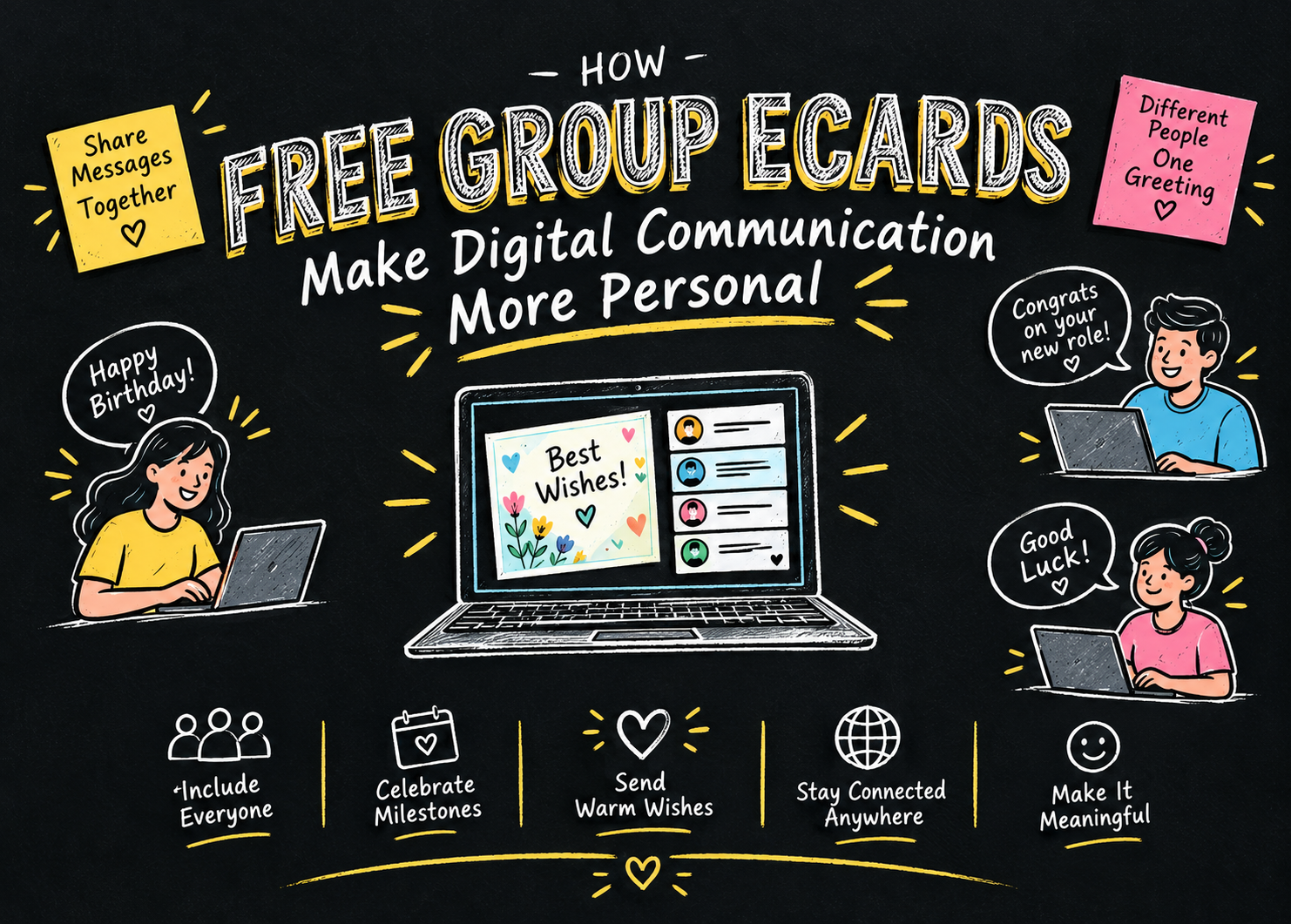
A group card can bring these messages together so the recipient can read everyone's wishes in one place.
When a Welcome Back Card Helps Rebuild Connections
Welcoming a new colleague is only one opportunity to strengthen workplace relationships. Employees returning after vacation, parental leave, illness, or a career break may also appreciate a thoughtful greeting.
A welcome back card acknowledges their return and reminds them that their presence matters to the team. The wording should reflect the situation. A lighthearted note may suit someone returning from vacation, while a colleague returning after a difficult period may appreciate a gentle, supportive message.
For example, a simple message such as “Welcome back! We're glad to have you with us again. Take your time settling in, and let us know how we can help” communicates warmth without putting pressure on the person to explain their absence.
It is important to respect privacy. Unless the employee chooses to discuss personal circumstances, colleagues should avoid asking questions about medical issues, family matters, or other sensitive details. The card should focus on welcoming them back rather than drawing attention to why they were away.
How Free Welcome Back Cards Help Teams Stay Connected
For distributed workplaces, collecting handwritten messages can be difficult. Free welcome back cards provide a convenient digital alternative that lets colleagues contribute from different locations. Team members can add their own greetings without needing to pass a physical card around the office.
Similarly, welcome back ecards can help remote and hybrid teams participate in a shared gesture. A manager can invite colleagues to contribute messages through a common link, making it easier to include people who work different schedules.
Digital greetings are useful because they combine convenience with personal expression. Still, the quality of the messages matters more than the number of signatures. A few sincere notes can create a stronger impression than many identical greetings.
Bringing Team Messages Together With Digital Group Cards
Digital group cards make it easier for employees to contribute to one shared greeting. They can be used to welcome a new hire, recognize a returning colleague, celebrate a promotion, or mark another workplace milestone.
SendWishOnline's welcome back card collection offers an option for teams that want to gather messages in one digital card. Colleagues can contribute greetings from their own devices, making the process practical for remote and office-based teams alike.
When organizing a card, explain the occasion clearly, allow enough time for contributions, and make participation voluntary. Before sending it, review the messages to ensure they are respectful and suitable for the recipient.
Common Mistakes to Avoid
Even a well-intentioned greeting can miss the mark if it feels impersonal or intrusive. Avoid copying the same message into every card, using unfamiliar inside jokes, or making promises of support that coworkers cannot realistically keep.
For a new employee, keep the focus on helping them feel welcome rather than expecting immediate performance. For a returning colleague, avoid drawing attention to private circumstances or suggesting they must catch up on everything at once.
Above all, remember that a card is one part of a welcoming workplace. Following up with practical help, clear communication, and friendly introductions makes the message more meaningful.
Make Every Welcome Feel Genuine
Personal messages can help turn an unfamiliar workplace into a more approachable environment. A thoughtful welcome card for a new employee sets a friendly tone, while a welcome back card helps returning colleagues reconnect with the team.
With free welcome back cards and digital group greetings, coworkers can share their wishes even when they are not in the same place. Combined with everyday kindness and practical support, these small gestures help people feel included, respected, and ready to take their next step with the team.