


Zhusi Muscle Plaster Factory EU and US Export Certification Guide
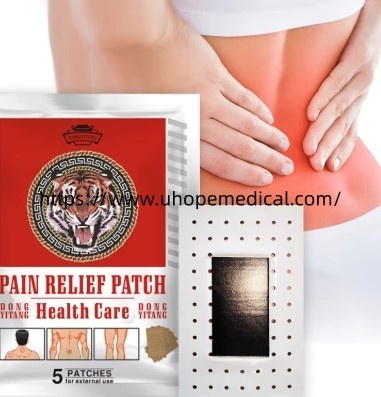
Kinesiology tape sold in Europe and the United States sits at the intersection of medical device rules, textile regulations, and adhesive safety standards, and a buyer who ignores certification requirements discovers the gap only when a shipment stalls at customs. A Muscle Plaster Factory preparing goods for these markets needs to understand which documents apply to its products, how those documents are obtained, and which parts of the compliance burden fall on the manufacturer rather than the importer. Zhusi operates as a medical supplies manufacturer serving overseas buyers, and uhopemedical provides information on tape specifications and export documentation that purchasing teams can review before placing orders. Which certificates actually matter when a tape factory approaches these two markets?
European market access begins with the Medical Device Regulation, and the classification of kinesiology tape determines what that regulation demands. Most elastic therapeutic tape falls into a lower risk class, which means the manufacturer prepares a technical file, conducts a conformity assessment, and issues a declaration of conformity before applying the CE mark. The technical file includes material specifications, biocompatibility information for the adhesive, performance test data, and labelling samples in the relevant languages. An authorised representative established in the European Union handles communication with regulators, and the manufacturer's name and address appear alongside that representative on the label. Buyers should request the declaration of conformity and confirm that the product scope matches the tape being purchased, because a declaration that covers a different product offers no protection.
The United States follows a different pathway, and a tape factory selling there needs to understand the distinction between products regulated as medical devices and those marketed as general wellness or sports items. Tape marketed for supporting muscles during activity may avoid device registration, while tape marketed for treating a specific injury may require establishment registration and listing with the Food and Drug Administration. Labelling language drives this distinction, and a factory that writes claims carefully keeps its customers inside the simpler pathway. Buyers importing tape should confirm that the factory understands these boundaries, because a supplier that overstates medical claims can create regulatory exposure for the brand that sells the product. Facility registration, product listing, and a named United States agent form part of the picture when the device pathway applies.
Adhesive and material safety documentation supports both regulatory pathways and often receives less attention than the certificates themselves. Skin contact products require biocompatibility data, and the adhesive formulation should be supported by cytotoxicity and sensitisation test reports from recognised laboratories. Textile components need fibre composition statements and, where relevant, OEKO-TEX or equivalent certification confirming the absence of restricted substances. A factory that maintains current test reports for its standard materials can respond to buyer requests without delay, while a factory that relies on outdated reports creates risk for every customer downstream. Zhusi keeps documentation aligned with its production materials, and uhopemedical helps buyers identify which reports apply to specific tape constructions.
Quality management certification signals that a factory operates under controlled systems, and buyers in both markets often treat it as a baseline requirement. ISO 13485 certification applies to medical device manufacturing and covers design control, traceability, and corrective action processes, while ISO 9001 covers general quality management. A factory holding these certificates has established procedures for handling complaints, investigating defects, and maintaining records that regulators may request. Buyers should verify certificate validity and scope rather than accepting an image of a certificate without checking the issuing body. Certificates expire, scopes narrow, and a lapsed certificate tells a buyer something about the factory's attention to its own systems.
Documentation alone does not guarantee that a tape performs as specified, and buyers should pair certificate review with sample testing. Elasticity, adhesive strength, breathability, and skin comfort can be checked on delivered samples, and a factory that welcomes this testing demonstrates confidence in its output. The product page for cotton sports tape at https://www.uhopemedical.com/ sets out construction details that buyers can match against their test results. Zhusi supports buyers through the documentation and sampling steps, and purchasing teams that verify both paperwork and product before committing to volume avoid the disruption that follows a rejected shipment, while a Muscle Plaster Factory with organised records answers certification questions in days rather than weeks. uhopemedical keeps spec sheets, test reports, and packaging artwork in one place so buyers can compare suppliers without chasing files across email threads. Does your supplier's certificate file match the product actually in the carton?
- Goth Lifestyle
- Fashion & Style
- Music & Bands
- Art & Photography
- Creative Writing & Poetry
- Events & Scene
- Occult & Spirituality
- DIY & Tutorials
- Beauty & Self-Care
- Relationships & Dating
- Gaming & Media
- Tech & Gadgets
- Body Art & Piercings
- Underground Culture
- Spotlights & Interviews
- Travel & Places
- Lifestyle & Daily Life
- Fitness & Health
- Travel & Adventure
- Books & Literature
- Tech & Gaming
- Movies & TV
- Food & Drinks
- Humor & Memes
- Pets & Animals
- General Arts & Crafts

 English
 Arabic
 French
 Spanish
 Portuguese
 Turkish
 Dutch
 Italiano
 Russian
 Romaian
 Portuguese (Brazil)
 Greek
