


Penile Implant Surgery: A Complete Guide for Men With Erectile Dysfunction
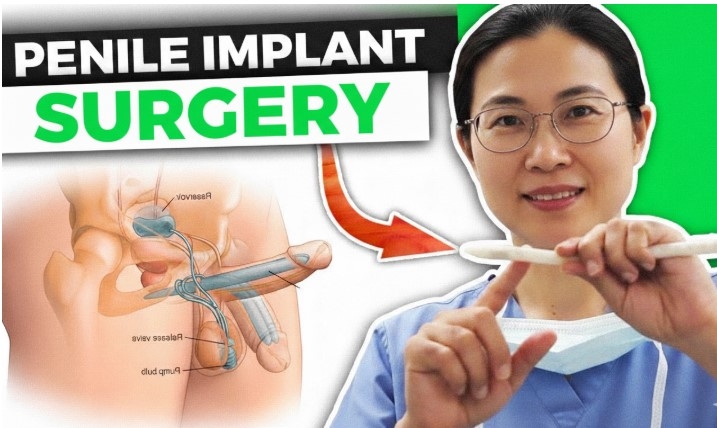
Erectile dysfunction (ED) is a common medical condition that affects a man's ability to achieve or maintain an erection firm enough for sexual intercourse. It can develop because of diabetes, cardiovascular disease, nerve damage, hormonal imbalances, certain medications, or previous pelvic surgery. While many men benefit from medications and other non-surgical treatments, these options do not work for everyone.
Penile implant surgery offers another treatment option for men experiencing persistent erectile dysfunction. The procedure involves placing a medical device inside the penis to provide the rigidity needed for sexual activity. It is generally considered when other treatments have not provided satisfactory results, are unsuitable, or are not preferred after a thorough medical consultation.
Modern penile implants are designed to be discreet and provide dependable mechanical support for erections. Depending on the selected device, the user can inflate the implant when needed or manually position a semi-rigid device for sexual activity.
In this article, we explore penile implant surgery, including how it works, the available implant types, eligibility, the surgical procedure, recovery, potential risks, benefits, and cost considerations.
What Is Penile Implant Surgery?
Penile implant surgery is a procedure used to treat erectile dysfunction by placing a prosthetic device inside the penis. The device helps the penis become sufficiently firm for penetrative sexual activity when the body's natural erection mechanism does not work adequately.
A natural erection occurs when blood flows into two chambers called the corpora cavernosa. These chambers expand and become firm during sexual arousal. In men with erectile dysfunction, problems with blood circulation, nerve function, or other physiological processes can interfere with this mechanism.
A penile implant provides an alternative way to achieve rigidity. Unlike oral erectile dysfunction medications, the implant does not depend on the body's normal erection response in the same way.
The device is positioned internally and is generally not visible from outside the body. Once healing is complete and the surgeon has approved its use, the implant can help the patient achieve the firmness required for sexual intercourse.
It is important to understand that penile implant surgery treats the mechanical aspect of erectile dysfunction. It does not automatically increase sexual desire, restore damaged nerves, or resolve every medical condition contributing to sexual difficulties.
Why Do Men Consider Penile Implant Surgery?
Erectile dysfunction can affect more than physical sexual function. For some men, repeated difficulty achieving an erection can lead to frustration, anxiety, reduced confidence, and relationship concerns.
Several medical conditions may contribute to persistent erectile dysfunction, including:
-
Diabetes and diabetes-related nerve or blood vessel damage.
-
Cardiovascular disease and reduced blood circulation.
-
Neurological disorders or nerve injuries.
-
Erectile dysfunction following prostate or pelvic surgery.
-
Certain treatments for prostate cancer.
-
Peyronie's disease when accompanied by significant erectile difficulties.
-
Other medical conditions that interfere with normal erectile function.
Treatment usually begins with identifying the underlying cause and considering appropriate options. Oral medications, vacuum erection devices, penile injections, and lifestyle changes may be helpful.
When these approaches fail to provide satisfactory results or are unsuitable, penile implant surgery may be considered as a longer-term treatment option.
Types of Penile Implants
Two main types of penile implants are available: inflatable implants and malleable implants. Each has distinct features, advantages, and limitations.
1. Inflatable Penile Implant
An inflatable penile implant allows the user to control when the penis becomes firm and when it returns to a softer state. Many patients prefer this type because it provides greater control over the appearance and rigidity of the penis.
Inflatable implants are available in two-piece and three-piece designs.
Three-Piece Inflatable Implant
A three-piece implant contains three main components:
-
Two inflatable cylinders placed inside the erectile chambers of the penis.
-
A small pump positioned inside the scrotum.
-
A fluid reservoir placed inside the body, usually in the lower abdominal or pelvic region.
When an erection is needed, the user squeezes the pump to move fluid into the cylinders. The cylinders expand and provide the firmness needed for sexual activity.
Afterward, the user operates the deflation mechanism, allowing the fluid to return to the reservoir and the penis to become softer.
The three-piece design offers adjustable rigidity and generally provides a more natural flaccid appearance when deflated. However, it has multiple components and requires the user to operate the pump.
Two-Piece Inflatable Implant
A two-piece implant also contains inflatable cylinders and a pump, but it incorporates the fluid-storage mechanism into the pump assembly rather than using a separate abdominal reservoir.
This design may be considered for certain patients depending on their anatomy, surgical history, and medical needs.
The urologist evaluates the available options and recommends an appropriate device based on the patient's circumstances.
2. Malleable or Semi-Rigid Penile Implant
A malleable penile implant consists of two flexible rods placed inside the penis. These rods provide continuous firmness and can be manually positioned upward for sexual activity or downward for concealment.
Unlike inflatable devices, malleable implants do not require a pump, tubing, or a separate fluid reservoir.
Potential benefits include a relatively simple design, straightforward operation, and fewer mechanical components. This option may be particularly helpful for men who have difficulty operating an inflatable device because of limited hand strength or dexterity.
However, the penis remains semi-rigid at all times. This can make concealment more difficult, and some patients prefer the adjustable nature of an inflatable implant.
Which Type of Penile Implant Is Right for You?
The most appropriate implant depends on several factors, including:
-
The severity of erectile dysfunction.
-
The patient's medical history and general health.
-
Previous abdominal or pelvic operations.
-
The ability to operate an inflatable pump.
-
Personal preferences regarding convenience and appearance.
-
The surgeon's recommendations.
-
The cost and availability of the device.
A detailed consultation with a qualified urologist helps patients understand the differences and choose an option that suits their needs.
Who Is a Good Candidate for Penile Implant Surgery?
Penile implant surgery may be suitable for men with persistent erectile dysfunction who have not obtained satisfactory results from other treatments or who prefer a surgical option after discussing the benefits and risks.
Potential candidates include men who:
-
Have ongoing difficulty achieving or maintaining erections.
-
Have not responded adequately to appropriate erectile dysfunction medications.
-
Cannot tolerate or safely use certain non-surgical treatments.
-
Experience erectile dysfunction following prostate or pelvic surgery.
-
Have diabetes-related erectile dysfunction.
-
Have nerve damage affecting erectile function.
-
Have Peyronie's disease alongside significant erectile dysfunction.
-
Understand the limitations and potential complications of an implant.
The decision should always be individualized. A doctor will assess the cause of erectile dysfunction, general health, expectations, and suitability for surgery before recommending the procedure.
When Might Penile Implant Surgery Need to Be Delayed?
Certain medical conditions may increase the risk of complications or require treatment before surgery.
An active urinary tract infection, infection around the surgical area, uncontrolled diabetes, or other significant medical problems may require further assessment or stabilization.
Patients should disclose all medical conditions, allergies, medications, and previous operations to their surgical team.
The surgeon will also discuss whether the patient's expectations are realistic. Penile implants are designed to improve erectile rigidity rather than enlarge the penis or directly increase sexual desire.
How to Prepare for Penile Implant Surgery
Preparing for surgery helps reduce avoidable risks and ensures that the patient understands the procedure and expected recovery.
Medical Evaluation
The urologist reviews the patient's symptoms, medical history, previous erectile dysfunction treatments, and overall health.
A physical examination helps assess penile anatomy, curvature, scar tissue, and other factors that may influence the choice of implant.
Preoperative Testing
Depending on the patient's condition, tests may include blood glucose or HbA1c testing, blood counts, kidney function tests, urine testing, and cardiac assessment when indicated.
The purpose is to identify conditions that may affect anesthesia, wound healing, or the risk of infection.
Medication Review
The medical team reviews prescription medications, supplements, and medicines that affect blood clotting.
Patients should follow the surgeon's instructions regarding medication adjustments and fasting before surgery. Prescribed medicines should not be stopped without medical advice.
Discussing Expectations
Before proceeding, patients should ask about the expected results, possible changes in perceived penile length, recovery time, implant durability, and the possibility of future revision surgery.
Understanding these issues allows patients to make an informed decision.
How Is Penile Implant Surgery Performed?
Penile implant surgery is performed by a trained urologist in a hospital or appropriately equipped surgical facility. The procedure usually follows several steps.
Step 1: Anesthesia
The patient receives general anesthesia or another suitable anesthetic approach chosen by the medical team. The surgical area is cleaned and prepared under sterile conditions.
Step 2: Making the Incision
The surgeon makes an incision in an appropriate location, commonly near the base of the penis or the junction between the penis and scrotum. The exact approach depends on the implant type and surgical technique.
Step 3: Inserting the Implant
The surgeon prepares the erectile chambers and places the inflatable cylinders or malleable rods inside them.
For an inflatable implant, the pump and, when required, a separate fluid reservoir are also positioned.
Step 4: Testing the Device
The surgeon checks the implant's placement and function. Inflatable devices are tested to ensure that the mechanism operates properly.
Step 5: Closing the Incision
The incision is closed, and dressings or other supportive measures are applied as necessary.
Step 6: Postoperative Monitoring
The patient is monitored while recovering from anesthesia. Depending on the patient's condition and the hospital's protocols, discharge may occur the same day or after an overnight stay.
The surgical team provides instructions for medication, wound care, physical activity, and follow-up appointments.
Benefits of Penile Implant Surgery
For appropriately selected patients, penile implant surgery can provide several important benefits.
Improved Erectile Reliability
The implant provides a mechanical way to achieve sufficient penile firmness for sexual intercourse when the natural erectile mechanism is impaired.
Greater Control Over Erections
Inflatable devices allow the user to control when the penis becomes firm and when it returns to a softer state. Malleable devices can be manually positioned for sexual activity.
A Long-Term Treatment Option
Unlike medications that may need to be used for individual sexual encounters, a penile implant remains in place and can be used repeatedly after healing and medical clearance.
Improved Confidence
Successful treatment may reduce anxiety associated with unreliable erections and help men feel more confident about sexual activity.
Potential Relationship Benefits
Improved erectile function may support intimacy and sexual satisfaction for some couples. Communication and realistic expectations remain important throughout treatment and recovery.
Reduced Reliance on Other ED Treatments
Many men no longer need conventional erection medications or injections to achieve rigidity after successful implantation. However, other treatments may still be necessary for separate medical or sexual health concerns.
Risks and Complications of Penile Implant Surgery
Penile implant surgery is an established treatment, but it is still a surgical procedure with potential complications. Understanding these risks is an essential part of informed consent.
Infection
Infection is one of the most serious complications because it may require antibiotics, additional surgery, or removal of the implant.
Diabetes, impaired wound healing, and certain other medical conditions may increase the risk. Appropriate infection-prevention measures help reduce risk but cannot eliminate it completely.
Pain and Swelling
Bruising, swelling, tenderness, and discomfort can occur during early recovery. These symptoms generally improve as healing progresses.
Severe or worsening pain should be assessed by the surgical team.
Bleeding or Hematoma
Blood may collect under the skin following surgery. Minor bruising may resolve naturally, while significant bleeding or expanding swelling may require treatment.
Mechanical Failure
Inflatable devices contain mechanical components that can wear out, leak, or malfunction. Malleable devices can also develop problems.
A malfunctioning implant may require repair or replacement.
Implant Displacement or Erosion
In uncommon cases, the implant may move from its intended position or damage surrounding tissue. These complications require specialist assessment and may necessitate additional surgery.
Changes in Perceived Penis Size
Some men feel that their penis appears shorter after surgery than it did before erectile dysfunction developed.
The implant is intended to restore rigidity, not increase penile length or girth beyond existing anatomical dimensions. Expectations about appearance should be discussed with the surgeon before the procedure.
Anesthetic and Surgical Risks
Other possible complications include anesthetic reactions, wound-healing problems, urinary difficulties, blood clots, and injury to nearby structures.
The likelihood of complications depends on the patient's health, surgical history, and the complexity of the procedure.
Recovery After Penile Implant Surgery
Recovery varies according to the implant type, surgical technique, general health, and healing progress.
The First Few Days
Patients may experience swelling, bruising, and discomfort around the penis and scrotum.
Rest, prescribed medication, and following wound-care instructions can help manage these symptoms. The patient should avoid strenuous activities and follow the surgical team's advice.
The First One to Two Weeks
Light daily activities can usually be resumed gradually as healing permits. Heavy lifting, vigorous exercise, and activities that put pressure on the surgical area should be avoided until the surgeon gives clearance.
Patients should attend their follow-up appointments and report any unusual symptoms.
Weeks Three to Six
Healing continues, and discomfort generally improves. The surgeon assesses the incision and provides instructions about device operation when appropriate.
Patients with inflatable implants may need guidance on using the pump before they are cleared to activate the device independently.
Resuming Sexual Activity
Many patients are cleared to resume sexual activity around six to eight weeks after surgery. However, the timing varies, and patients should follow their surgeon's individual instructions.
Sexual activity should not resume until the surgical team confirms that healing is sufficient and the implant can be used safely.
When to Seek Medical Attention
Contact the medical team promptly if you develop fever, spreading redness, unusual drainage, worsening pain, significant swelling, difficulty urinating, or changes in the skin around the implant.
Severe or rapidly worsening symptoms require urgent medical assessment.
Does a Penile Implant Affect Sensation, Orgasm, or Ejaculation?
A penile implant is designed to improve rigidity rather than directly change sensation, orgasm, or ejaculation.
Many men retain their existing penile sensation after surgery, but outcomes depend on underlying conditions, nerve function, and previous treatments.
Men who can orgasm and ejaculate before surgery may generally continue to do so. However, an implant does not directly correct problems caused by nerve damage, hormonal disorders, or other medical conditions.
The implant also does not directly increase sexual desire or testosterone levels. Men experiencing reduced libido may need a separate medical evaluation.
Does Penile Implant Surgery Increase Penis Size?
No. Penile implant surgery is intended to provide sufficient rigidity for sexual activity, not to enlarge the penis.
Some patients perceive a reduction in penile length after implantation, particularly if they had longstanding erectile dysfunction, scarring, or other conditions affecting the penis.
Before surgery, patients should discuss penile dimensions, existing curvature, and realistic expectations with their urologist.
How Long Does a Penile Implant Last?
Penile implants are designed for long-term use, but they are not guaranteed to last a lifetime.
Their durability depends on the device, mechanical wear, surgical factors, and the patient's individual circumstances. Many implants function for years, while some eventually require repair or replacement.
The likelihood of device failure increases over time, so patients should understand the possibility of future surgery before making a decision.
A urologist can explain the expected durability of the proposed device, any applicable warranty, and the options available if the implant develops a problem.
What Is the Cost of Penile Implant Surgery?
The cost of penile implant surgery varies depending on the implant type, manufacturer, hospital, surgeon, and complexity of the operation.
In Pakistan, prices can differ between Lahore, Multan, Karachi, Islamabad, and other cities. Patients should obtain a personalized quotation from a qualified urologist rather than relying on a single estimated price.
Several factors affect the total expense:
Type of implant: Inflatable implants generally cost more than malleable implants because they contain additional components.
Implant brand and model: Different manufacturers and device features can affect the price.
Surgeon's fees: Professional fees depend on the surgeon's experience and the complexity of the case.
Hospital charges: Operating-room facilities, anesthesia, and hospital accommodation may contribute to the total.
Medical tests: Preoperative investigations may be billed separately.
Postoperative care: Medication, follow-up appointments, and management of complications may add to the expense.
When requesting a quotation, ask whether the price includes the device, surgeon's fees, anesthesia, hospital stay, medicines, follow-up, and any applicable warranty.
Patients should consider surgical expertise, infection prevention, device quality, and long-term care alongside cost.
Penile Implant Surgery Compared With Other Erectile Dysfunction Treatments
Penile implant surgery is one of several available treatments for erectile dysfunction. Each option has different benefits and limitations.
Oral medications: Medicines such as sildenafil and tadalafil can improve the natural erectile response in suitable patients. They are often considered before surgery.
Vacuum erection devices: These devices use negative pressure to draw blood into the penis and may be combined with a constriction ring to maintain an erection.
Penile injections: Prescribed medication injected into the penis can produce an erection. Patients require appropriate training and medical guidance.
Lifestyle changes: Regular exercise, smoking cessation, a balanced diet, and management of conditions such as diabetes may improve overall health and contribute to better erectile function.
Penile implant surgery: An implant provides mechanical rigidity and may be considered when less invasive treatments are unsuccessful, unsuitable, or not preferred after informed counselling.
The best treatment depends on the cause of erectile dysfunction, medical history, personal preferences, and response to previous therapies.
How to Choose a Penile Implant Surgeon
Selecting an appropriately trained urologist is an important part of treatment planning.
Patients should look for a clinician with experience in male sexual health and penile prosthesis surgery.
During a consultation, consider asking:
-
How much experience do you have with penile implant surgery?
-
Which implant type would you recommend for my condition?
-
What benefits and complications should I expect?
-
How do you reduce the risk of infection?
-
How long will recovery take?
-
When can I resume sexual activity?
-
What happens if the implant malfunctions?
-
What is included in the total cost?
-
How will follow-up care be arranged?
A responsible surgeon will explain the procedure, discuss alternative treatments, and help establish realistic expectations without promising guaranteed results.
Frequently Asked Questions About Penile Implant Surgery
Is penile implant surgery permanent?
The implant is intended as a long-term treatment, but it may eventually require repair or replacement. The procedure also has important long-term implications because it changes the normal erectile anatomy.
Is penile implant surgery painful?
The operation is performed under anesthesia. Discomfort, bruising, and swelling can occur afterward and are managed with appropriate medication and postoperative care.
How long does penile implant surgery take?
The duration varies according to the device, surgical technique, anatomy, and previous operations. The surgeon can provide a more specific estimate after assessment.
Can men with diabetes undergo penile implant surgery?
Some men with diabetes are suitable candidates. However, diabetes can increase the risk of infection and wound-healing problems, so careful medical assessment and blood glucose management are important.
Can a man have an orgasm after receiving a penile implant?
Many men retain the ability to orgasm after surgery. However, the implant does not directly treat conditions affecting orgasm or ejaculation.
Does a penile implant affect fertility?
A penile implant is not a fertility treatment and generally does not directly prevent sperm production. Fertility depends on other reproductive and medical factors.
Will the implant be visible?
The device is placed inside the body and is generally not externally visible. Appearance varies according to the implant type, anatomy, and whether an inflatable device is deflated.
Can a penile implant fail?
Yes. Mechanical failure, infection, and other complications can occur. Some problems require additional surgery, making long-term follow-up important.
Can a penile implant treat Peyronie's disease?
An implant may be considered when Peyronie's disease occurs alongside erectile dysfunction. Additional procedures may be required to correct significant curvature, depending on the patient's condition.
When can sexual activity resume after surgery?
Many patients receive clearance around six to eight weeks after surgery, but the exact timing depends on healing and the surgeon's assessment.
Conclusion
Penile implant surgery is an established treatment option for men with persistent erectile dysfunction who have not achieved satisfactory results with other treatments or who prefer a long-term mechanical solution after appropriate counselling.
Inflatable implants allow users to control rigidity, while malleable implants provide continuous semi-rigidity through a simpler design. Both options can help suitable patients achieve firmness for penetrative sexual activity.
Although the procedure can improve erectile reliability and confidence, it involves surgical risks, a recovery period, and the possibility of future repair or replacement. It does not automatically enlarge the penis, restore damaged nerves, or increase sexual desire.
The best results depend on careful patient selection, realistic expectations, appropriate infection prevention, and treatment by a qualified urologist.
Men experiencing persistent erectile dysfunction should seek professional medical advice to understand the underlying cause of their symptoms and determine whether penile implant surgery or another treatment is most appropriate.
Medical disclaimer: This article is for general educational purposes only and does not replace individual medical advice, diagnosis, or treatment.
Medical References
-
European Association of Urology: https://patients.uroweb.org/condition/erectile-dysfunction/all-treatments-ed/penile-implants
-
Mayo Clinic: https://www.mayoclinic.org/tests-procedures/penile-implants/about/pac-20384916
-
American Urological Association: https://www.auanet.org/guidelines-and-quality/guidelines/erectile-dysfunction-(ed)-guideline
-
Cleveland Clinic: https://my.clevelandclinic.org/health/treatments/10054-surgical-penile-implants
- Goth Lifestyle
- Fashion & Style
- Music & Bands
- Art & Photography
- Creative Writing & Poetry
- Events & Scene
- Occult & Spirituality
- DIY & Tutorials
- Beauty & Self-Care
- Relationships & Dating
- Gaming & Media
- Tech & Gadgets
- Body Art & Piercings
- Underground Culture
- Spotlights & Interviews
- Travel & Places
- Lifestyle & Daily Life
- Fitness & Health
- Travel & Adventure
- Books & Literature
- Tech & Gaming
- Movies & TV
- Food & Drinks
- Humor & Memes
- Pets & Animals
- General Arts & Crafts

 English
 French
 Spanish
 Portuguese
 Deutsch
 Turkish
 Dutch
Dutch
 Italiano
 Russian
 Romaian
 Portuguese (Brazil)
 Greek
Greek
