


What Size Cricket Bat Does Your Child Need? A Complete Age and Height Guide for Parents
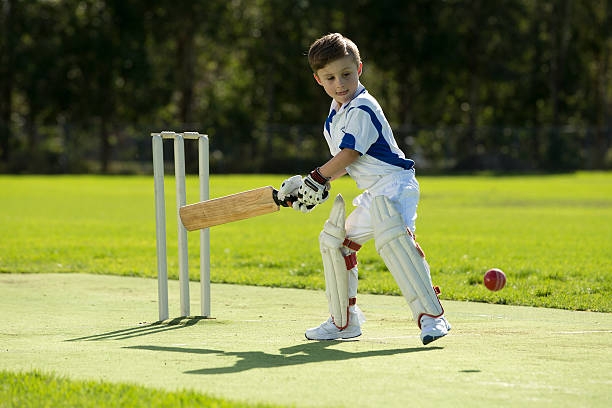
Choosing the right junior cricket bats for your child is not simply about picking one that matches their age. A bat that is too long or heavy can make batting difficult, affect technique and reduce confidence. On the other hand, a correctly sized bat helps young players develop better control, timing and enjoyment of the game.
Whether your child is joining a local cricket club, playing at school or practising in the garden, understanding cricket bat sizes can make the buying process much easier.
This guide explains how to choose the right cricket bat size based on your child's height, age and playing ability, with a simple size chart and practical tips for UK parents.
Why Choosing the Right Cricket Bat Size Matters
Children grow at different rates, which means two players of the same age may need different cricket bat sizes.
A properly fitted bat helps your child:
-
Maintain a comfortable batting stance.
-
Swing the bat without unnecessary strain.
-
Develop better hand-eye coordination.
-
Control defensive and attacking shots.
-
Build confidence during training and matches.
-
Learn good batting habits from an early age.
An oversized bat may feel impressive at first, but it can make basic batting movements more difficult. Young players often compensate for excess weight by changing their grip, lifting their shoulders or swinging across the ball.
Choosing a manageable bat is usually more beneficial than buying a larger one for your child to grow into.
Junior Cricket Bat Size Chart by Age and Height
The easiest starting point is to compare your child's height with a standard junior cricket bat size chart.
The following table provides approximate guidance for commonly available UK cricket bat sizes.
| Cricket Bat Size | Approximate Age | Child's Height |
|---|---|---|
| Size 0 | 4–5 years | Under 4 ft (122 cm) |
| Size 1 | 5–6 years | 4 ft–4 ft 3 in (122–130 cm) |
| Size 2 | 6–7 years | 4 ft 3 in–4 ft 6 in (130–137 cm) |
| Size 3 | 7–8 years | 4 ft 6 in–4 ft 9 in (137–145 cm) |
| Size 4 | 8–9 years | 4 ft 9 in–4 ft 11 in (145–150 cm) |
| Size 5 | 9–11 years | 4 ft 11 in–5 ft 2 in (150–157 cm) |
| Size 6 | 11–13 years | 5 ft 2 in–5 ft 5 in (157–165 cm) |
| Harrow | 12–14+ years | 5 ft 5 in–5 ft 8 in (165–173 cm) |
| Short Handle (SH) | Older teenagers and adults | Around 5 ft 8 in (173 cm) and above |
Note: These are approximate guidelines, not fixed sizing rules. Manufacturers may recommend slightly different height ranges. Always check the individual bat's measurements and fit.
Should You Choose a Cricket Bat by Age or Height?
Height is generally a more reliable starting point than age.
For example, one nine-year-old may be comfortable with a Size 4 cricket bat, while another may need Size 5. Both choices can be correct depending on their height, strength and batting control.
Use age as a rough reference, then confirm the fit using height and a practical swing test.
How to Measure Your Child for a Cricket Bat
You do not need specialist equipment to check which bat size may suit your child.
Step 1: Measure Your Child's Height
Ask your child to stand straight against a wall without shoes. Measure from the floor to the top of their head.
Compare the measurement with the junior cricket bat size chart.
Step 2: Check the Bat's Length
Ask your child to stand naturally with the bat beside them and its toe resting on the floor.
As a rough fitting check, the top of the handle should sit around the upper thigh or hip area. This is only a guide, as body proportions vary.
Step 3: Test the Batting Stance
Ask your child to hold the bat with both hands and take a normal batting stance.
Look for a comfortable grip, relaxed shoulders and natural movement.
If the bat forces them into an awkward position, another size may be more suitable.
Step 4: Check the Bat Swing
Have your child perform a few slow, controlled practice swings in a clear, safe space.
The bat should move smoothly without pulling their body off balance.
If they struggle to lift or control it, consider a lighter bat or smaller size.
Cricket Bat Sizes Explained: From Size 0 to Harrow
Understanding the different junior cricket bat sizes can help parents narrow down their options.
Size 0 and Size 1 Cricket Bats
These are designed for very young beginners who are learning basic hand-eye coordination.
They are often suitable for soft-ball cricket, garden practice and introductory coaching activities.
At this stage, a lightweight bat that children can handle comfortably matters more than advanced bat features.
Size 2 and Size 3 Cricket Bats
These sizes are commonly used by younger primary-school players who are developing their batting stance, grip and shot selection.
A well-balanced bat helps children practise straight drives, defensive shots and controlled hitting.
Size 4 and Size 5 Cricket Bats
As children become taller and stronger, they may move towards Size 4 or Size 5 bats.
These sizes are often appropriate for young players participating in school matches and junior club cricket.
Parents should still pay attention to bat weight. Two bats of the same size may feel noticeably different.
Size 6 Cricket Bats
Size 6 is generally intended for taller junior players who are approaching their teenage years.
It can offer a useful transition before moving to Harrow sizing.
However, a Size 6 bat that feels too heavy may be harder to use effectively than a lighter model.
Harrow Cricket Bats
Harrow bats are commonly used by taller junior players and some smaller adults.
They sit between Size 6 and full adult Short Handle bats in the traditional sizing system.
For teenagers who are not yet comfortable with a full-size bat, Harrow can be a practical option.
Does Cricket Bat Weight Matter for Children?
Yes. Weight is just as important as length when choosing a cricket bat for a child.
A bat may be the correct size but still feel too heavy for the player.
Heavy bats can make it difficult to:
-
Lift the bat into the backswing.
-
React quickly to faster deliveries.
-
Keep shots controlled.
-
Maintain balance throughout the swing.
-
Practise for longer periods without fatigue.
Lightweight vs Heavy Junior Cricket Bats
For beginners, a lighter and well-balanced bat is usually the better starting point.
As young players gain strength and improve their technique, they may become comfortable with slightly heavier bats.
Do not assume that a heavier bat will automatically help your child hit the ball further. Timing, technique and bat speed are important too.
What Is Cricket Bat Pick-Up?
Pick-up describes how heavy or light a bat feels when held and swung.
Two cricket bats can have the same actual weight but feel different because of their balance and weight distribution.
This is why trying a bat in person can be helpful. Your child may find one model much easier to control than another, even when both have the same labelled size.
English Willow vs Kashmir Willow: Which Is Better for Junior Players?
When shopping for junior cricket bats in the UK, you will often come across English willow and Kashmir willow options.
Both can be suitable, depending on your child's experience, budget and playing needs.
| Feature | English Willow | Kashmir Willow |
|---|---|---|
| Typical price | Often more expensive | Usually more affordable |
| Common use | Club and competitive cricket | Beginners, practice and recreational cricket |
| Performance | Often preferred for leather-ball play | Can be suitable for junior leather-ball play |
| Maintenance | Requires appropriate preparation and care | Also requires care and preparation |
| Best choice | Developing or committed junior players | Budget-conscious families and beginners |
A high-quality Kashmir willow bat can be a sensible choice for a young beginner. English willow may become more appealing as a child develops and starts playing more competitive cricket.
Remember that willow type alone does not determine quality. Balance, construction, preparation and suitability all matter.
Should You Buy a Bigger Cricket Bat for Your Child to Grow Into?
Buying a larger bat may seem like a way to save money, especially when children grow quickly.
However, an oversized bat can create problems.
Your child may struggle with the backswing, lose control during shots or develop habits that become difficult to correct.
A better approach is to choose a bat that fits their current height and strength.
If your child is close to the boundary between two sizes, compare both and choose the one they can control most comfortably.
A slightly smaller, manageable bat is often preferable to a larger bat that restricts their movement.
Choosing a Cricket Bat for Soft-Ball and Hard-Ball Cricket
The type of cricket your child plays should influence the bat you choose.
Soft-Ball Cricket
Soft-ball cricket is often used for younger beginners and introductory programmes.
Lightweight wooden or suitable plastic bats may be appropriate, depending on the activity and ball type.
The priority is helping children enjoy batting and develop coordination.
Hard-Ball Cricket
Children progressing to leather-ball cricket need a bat designed for that purpose.
A properly prepared willow bat is generally the appropriate option.
New willow bats may require knocking-in and other preparation before facing hard cricket balls. Always follow the manufacturer's instructions.
Children playing hard-ball cricket should also use suitable protective equipment, including an appropriate helmet, pads, gloves and abdominal protection where applicable, under qualified supervision.
Common Mistakes Parents Make When Buying Junior Cricket Bats
1. Choosing Only by Age
Age charts are useful, but children of the same age can vary considerably in height and strength.
Always consider height and how the bat feels.
2. Buying the Heaviest Bat Available
A heavy bat does not automatically improve batting performance.
Young players usually benefit more from control and timing.
3. Ignoring Bat Balance
Bat weight is important, but balance affects how comfortable it feels during a swing.
4. Buying a Full-Size Adult Bat Too Early
A full-size cricket bat can be difficult for a younger player to control.
Even tall children may benefit from a Harrow or junior bat.
5. Forgetting About Bat Preparation
Some willow cricket bats need preparation before use with a hard cricket ball.
Skipping this step can increase the risk of damage.
6. Choosing Based Only on Brand
Established cricket brands offer a wide selection of junior bats, but the best choice is the one that suits your child's height, strength, ability and budget.
When Should Your Child Move Up to the Next Bat Size?
There is no fixed timetable for moving to a larger bat.
Children grow at different rates, so it is sensible to review their bat size periodically, especially before a new cricket season.
Signs that your child may be ready for the next size include:
-
Their current bat feels noticeably short.
-
They have grown beyond the manufacturer's recommended height range.
-
They can comfortably control a larger bat.
-
Their coach recommends trying the next size.
-
They maintain good technique when using a longer bat.
Do not move up simply because your child has reached a particular birthday.
Tips for Buying a Junior Cricket Bat in the UK
Before making a final decision, consider the following points.
Check the size chart: Use your child's current height as the starting point.
Consider their experience: Beginners often benefit from lightweight, forgiving bats.
Match the bat to the ball: Choose equipment appropriate for soft-ball or leather-ball cricket.
Check the grip: The handle should feel comfortable in smaller hands.
Think about budget: Children may need replacement bats as they grow, so the most expensive option is not always necessary.
Ask a coach: A junior cricket coach may be able to recommend a suitable size based on your child's technique.
Test the pick-up: Whenever possible, let your child hold and swing the bat before buying.
Frequently Asked Questions
What size cricket bat does a 7-year-old need?
Many seven-year-olds use a Size 2 or Size 3 cricket bat. However, the correct size depends on their height, strength and ability to control the bat.
What size cricket bat is suitable for a 10-year-old?
A Size 5 cricket bat is a common starting point for a ten-year-old, although taller or shorter children may need a different size.
What cricket bat size should a 12-year-old use?
Many twelve-year-olds use Size 6 or Harrow bats, depending on their height and physical development.
Is a Harrow cricket bat suitable for a 13-year-old?
Yes, a Harrow bat may suit a thirteen-year-old who is tall enough and comfortable with its weight and length. Some children will still be better suited to Size 6.
How do I know if my child's cricket bat is too heavy?
If your child struggles to lift the bat, swings slowly, loses balance or becomes tired quickly, it may be too heavy. Try a lighter model and assess their control.
Can my child use an adult cricket bat?
An older or taller teenager may be comfortable with an adult bat, but many junior players are better suited to Harrow or Size 6. Height, balance and strength should guide the decision.
Is English willow worth buying for a beginner?
English willow can be a good choice, but it is not essential for every beginner. A suitable Kashmir willow bat may offer better value for a child who is still learning or growing quickly.
Final Thoughts
Finding the right cricket bat size for your child does not need to be complicated.
Start with their height, use the junior cricket bat size chart as a guide and then check how comfortably they can hold and swing the bat.
Remember that the best junior cricket bat is not necessarily the biggest, heaviest or most expensive. It is the one that helps your child play with confidence, control and enjoyment.
A correctly sized bat gives young cricketers a better foundation for developing their technique, whether they are practising at home, playing school cricket or preparing for their next junior club match.
- Goth Lifestyle
- Fashion & Style
- Music & Bands
- Art & Photography
- Creative Writing & Poetry
- Events & Scene
- Occult & Spirituality
- DIY & Tutorials
- Beauty & Self-Care
- Relationships & Dating
- Gaming & Media
- Tech & Gadgets
- Body Art & Piercings
- Underground Culture
- Spotlights & Interviews
- Travel & Places
- Lifestyle & Daily Life
- Fitness & Health
- Travel & Adventure
- Books & Literature
- Tech & Gaming
- Movies & TV
- Food & Drinks
- Humor & Memes
- Pets & Animals
- General Arts & Crafts

 English
 Arabic
 French
 Spanish
 Portuguese
 Deutsch
 Turkish
 Dutch
Dutch
 Italiano
 Romaian
 Portuguese (Brazil)
 Greek
Greek
