


Explosion Proof Robots: Enhancing Safety in Hazardous Industrial Environments
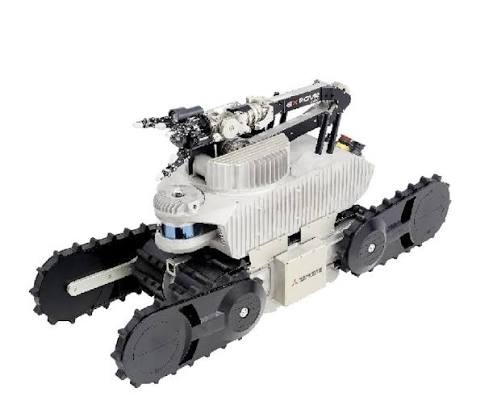
An Explosion Proof Robot is designed to perform industrial tasks in environments where flammable gases, vapours, or combustible dust may create explosive atmospheres. These specialised robotic systems incorporate suitable protection measures to reduce the risk of ignition under defined operating conditions. In the United Kingdom, they may be used in oil and gas facilities, chemical manufacturing plants, pharmaceutical production areas, and other industrial locations with classified hazardous zones. Their applications include equipment inspection, material handling, process monitoring, and selected automated operations. Choosing an appropriate system requires consideration of hazardous-area classification, certification, temperature limits, payload capacity, environmental conditions, and maintenance requirements. Compliance with applicable UK regulations and relevant ATEX requirements is essential when selecting equipment for potentially explosive atmospheres. Although robotic automation can reduce the need for workers to enter certain high-risk areas, it must operate as part of a comprehensive industrial safety programme that includes risk assessment, correct installation, inspection, and appropriate operating procedures.
Introduction
Industrial environments often involve flammable gases, combustible dust, vapours, and other substances that can create serious safety risks. In these conditions, specialised machinery is required to perform tasks without introducing potential ignition sources. An Explosion Proof Robot is designed for use in hazardous areas where an ignition could lead to a fire or explosion. These robotic systems support industrial operations by carrying out inspections, handling materials, and performing repetitive tasks in environments that require strict safety precautions.
In the United Kingdom, industries such as oil and gas, chemical processing, pharmaceuticals, manufacturing, and energy production must carefully manage explosive atmospheres. The use of appropriately designed robotic equipment can help reduce the need for workers to enter certain high-risk areas. However, the robot must be suitable for the specific hazardous zone, substances, and operating conditions in which it will be used.
What Is an Explosion Proof Robot?
An Explosion Proof Robot is an industrial robotic system designed and certified for operation in specified hazardous environments. Its construction and protective measures help prevent the ignition of surrounding flammable gases, vapours, or combustible dust under defined conditions.
Unlike conventional industrial robots, these systems may incorporate specialised enclosures, protected electrical components, temperature controls, and carefully designed mechanical systems. Their suitability depends on the type of explosive atmosphere and the applicable equipment protection requirements.
The term does not mean that a robot can withstand every explosion or operate safely in every hazardous location. Instead, its protection is based on defined standards, certification requirements, and operating limitations.
Importance in UK Industrial Applications
The United Kingdom has industrial facilities where explosive atmospheres may develop during normal operations or because of equipment failure, leaks, or material handling. Appropriate explosion protection is therefore an important part of workplace risk management.
An Explosion Proof Robot can support operations in areas where conventional equipment may not be suitable. By performing selected tasks remotely or through automated processes, it can reduce direct human exposure to hazardous substances and potentially dangerous working conditions.
These robots must be incorporated into a wider safety system that includes risk assessments, suitable equipment selection, maintenance procedures, staff training, and emergency planning.
Key Features of Explosion Proof Robots
1. Protected Electrical Components
Electrical equipment can produce sparks, heat, or other potential ignition sources. Explosion-protected robotic systems use appropriate protection techniques to limit these risks. Depending on the design, this may involve specialised enclosures, intrinsically safe circuits, or other certified protection methods.
The protection technique must match the robot's intended application and hazardous-area classification.
2. Temperature Management
Excessive surface temperatures can ignite certain gases, vapours, or combustible dust. Explosion-protected robots must therefore operate within the temperature limits established for their certified application.
Thermal management, component selection, and operating conditions all influence the overall safety of the equipment.
3. Robust Construction
Industrial robots used in demanding environments may require protection against dust, moisture, corrosion, vibration, and mechanical impact. These characteristics help maintain operational reliability, although environmental protection ratings do not automatically establish explosion protection.
4. Remote Operation and Automation
Remote control allows operators to monitor and direct robotic activities from a safer location when the system is designed for that purpose. Automated routines can also reduce the need for personnel to enter restricted areas for repetitive inspections or material-handling tasks.
Common Applications Across Industries
Oil and Gas Facilities
Oil refineries, gas processing plants, and storage facilities may contain flammable substances. An appropriately certified robot can assist with inspections, equipment monitoring, and selected maintenance activities in designated hazardous areas.
Chemical Manufacturing
Chemical plants often handle solvents, gases, and other substances that require controlled operating conditions. Robotic systems can support material handling, process monitoring, and inspection tasks where the equipment's protection level is suitable.
Pharmaceutical Production
Some pharmaceutical manufacturing and processing environments involve flammable solvents or combustible powders. Specialised robots may support selected operations, provided they also meet applicable hygiene, contamination-control, and process requirements.
Energy and Industrial Manufacturing
Certain energy installations and manufacturing facilities contain hazardous zones associated with fuels, coatings, powders, or industrial chemicals. Explosion-protected robots may assist with inspection and repetitive tasks in these environments.
UK Regulations and ATEX Requirements
In the UK, equipment intended for use in potentially explosive atmospheres must meet the applicable legal requirements. The relevant framework depends on the equipment, its intended use, and the circumstances in which it is placed on the market or put into service.
ATEX requirements are particularly important when selecting equipment for explosive atmospheres. The applicable framework includes requirements concerning equipment intended for potentially explosive atmospheres and the protection of workers who may be exposed to these risks.
Hazardous areas are commonly classified into zones according to the likelihood and duration of an explosive atmosphere. For gases and vapours, Zones 0, 1, and 2 are used; for combustible dust, Zones 20, 21, and 22 apply.
An Explosion Proof Robot must have suitable certification and protection characteristics for the relevant zone, gas or dust group, and temperature requirements. The exact conformity-assessment and marking requirements should be verified for the intended application.
Factors to Consider When Selecting a Robot
Choosing an appropriate robotic system requires a detailed assessment of the workplace. Important considerations include:
-
Hazard classification: Identify the hazardous zone and the substances present.
-
Certification: Verify applicable conformity documentation and equipment markings.
-
Operating temperature: Confirm that surface-temperature limits suit the environment.
-
Payload and reach: Ensure the robot can complete the required task safely.
-
Environmental conditions: Assess moisture, dust, corrosion, vibration, and cleaning requirements.
-
Maintenance: Establish inspection schedules and procedures for maintaining certified protection.
-
Control systems: Confirm that communication, sensors, power supplies, and connected equipment are suitable for the hazardous area.
These factors help ensure that the robot is appropriate for the intended work rather than selected solely on its mechanical capabilities.
Conclusion
An Explosion Proof Robot can contribute to safer and more efficient operations in UK industries where flammable gases, vapours, or combustible dust create potential hazards. Its value depends on suitable certification, correct installation, appropriate operating procedures, and regular maintenance. By supporting inspections, material handling, and selected automated tasks, these systems can reduce workers' exposure to certain hazardous conditions. Careful evaluation of hazardous-area classifications and regulatory requirements remains essential before a robot is introduced into an industrial facility.
- Goth Lifestyle
- Fashion & Style
- Music & Bands
- Art & Photography
- Creative Writing & Poetry
- Events & Scene
- Occult & Spirituality
- DIY & Tutorials
- Beauty & Self-Care
- Relationships & Dating
- Gaming & Media
- Tech & Gadgets
- Body Art & Piercings
- Underground Culture
- Spotlights & Interviews
- Travel & Places
- Lifestyle & Daily Life
- Fitness & Health
- Travel & Adventure
- Books & Literature
- Tech & Gaming
- Movies & TV
- Food & Drinks
- Humor & Memes
- Pets & Animals
- General Arts & Crafts

 English
 Arabic
 French
 Spanish
 Portuguese
 Deutsch
 Turkish
 Dutch
Dutch
 Italiano
 Romaian
 Portuguese (Brazil)
 Greek
Greek
