


Commercial Polyaspartic Coatings A Smart Choice for Durable Business Floors
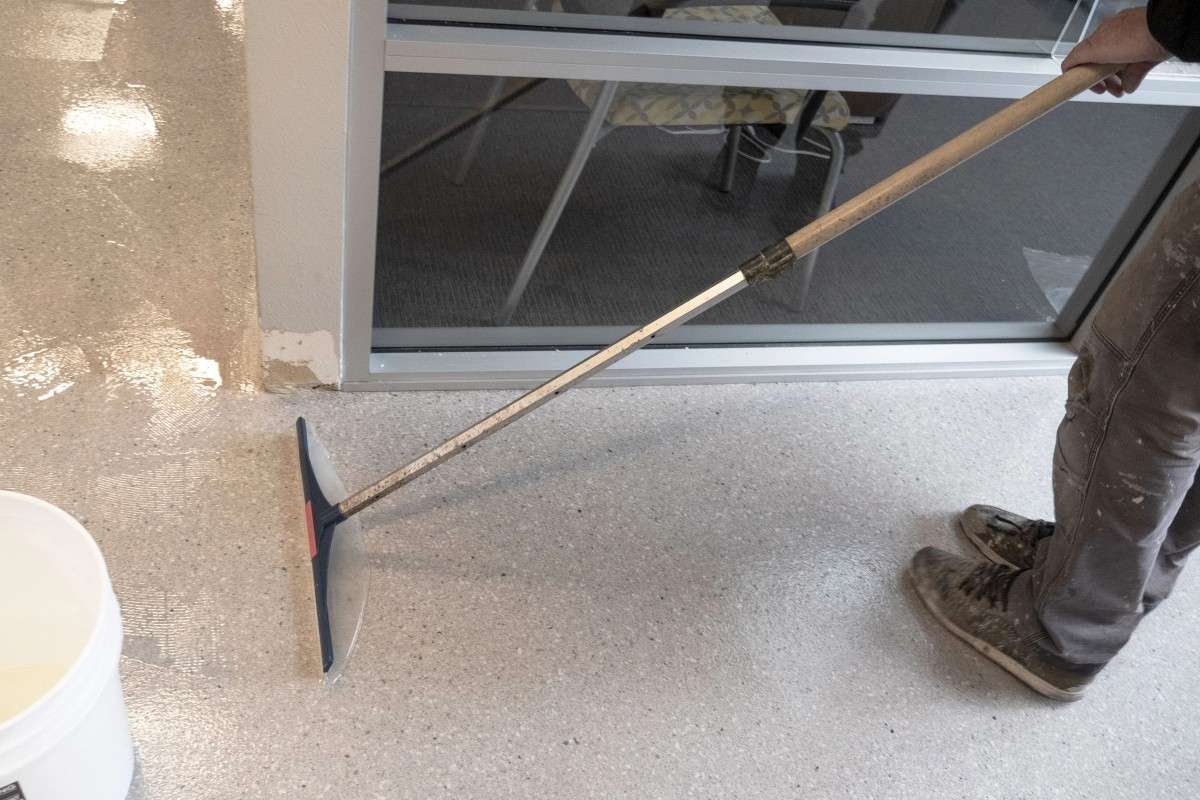
Commercial floors face heavy use every day. Employees walk across them, equipment moves from one area to another, and spills or dirt can affect their appearance. Over time, untreated concrete may develop stains, cracks, dust, and signs of wear. Commercial polyaspartic coatings offer businesses a practical way to protect concrete floors while maintaining a clean and professional environment.
Choosing a suitable floor coating can help reduce maintenance needs and improve the appearance of a workplace. However, the best results depend on selecting the right product, preparing the concrete properly, and following the correct installation process. Understanding these factors helps business owners make informed decisions about their flooring investments.
What Are Commercial Polyaspartic Coatings?
Commercial polyaspartic coatings are protective finishes designed to cover and protect concrete surfaces. They use polyaspartic polyurea technology to create a durable layer that can resist everyday wear and certain types of stains and chemical exposure. Depending on the product, these coatings can also provide good resistance to sunlight and help maintain the floor's appearance.
One important feature is their fast curing time. Some products allow floors to return to service sooner than many traditional coating systems. This can be useful for businesses that cannot afford long periods of downtime. Actual curing times depend on the selected product, temperature, humidity, and other installation conditions.
These coatings are available in different colors and finishes. Businesses can choose a simple, clean look or decorative options that improve the appearance of showrooms, workshops, and other commercial spaces. The final selection should consider both visual appeal and the practical needs of the facility.
Benefits of Commercial Polyaspartic Coatings
1. Strong Protection Against Daily Wear
Commercial environments often experience continuous foot traffic, moving carts, equipment, and repeated cleaning. These activities can gradually damage exposed concrete. A suitable coating creates a protective surface that helps the floor withstand regular use.
The level of protection depends on the coating formulation, application method, and condition of the concrete. Business owners should discuss their daily operations with a qualified installer to select a system designed for their specific environment.
2. Reduced Business Downtime
Closing an area for flooring work can interrupt operations and affect productivity. Fast-curing coatings may reduce the time needed before a floor can be used again. This can be especially valuable in retail spaces, workshops, and facilities that operate on tight schedules.
Even with fast-curing materials, businesses should plan the installation carefully. The time required before walking, moving equipment, or driving vehicles onto the surface may vary. Following the manufacturer's instructions helps protect the newly installed finish.
3. Easier Cleaning and Maintenance
Bare concrete can collect dust and absorb certain liquids, making regular cleaning difficult. A properly installed coating creates a more consistent surface that is generally easier to maintain. Sweeping, removing spills promptly, and using suitable cleaning products can help keep the floor in good condition.
For busy businesses, easier maintenance can save staff time and help maintain a cleaner workplace. However, a coated floor still needs routine care. Using unsuitable chemicals or abrasive cleaning equipment may damage the finish over time.
4. A Professional Appearance
The condition of a business's flooring can influence how customers and employees view the space. A clean and well-maintained floor can make a showroom, workshop, or commercial garage look more organized.
Different colors, decorative flakes, and gloss levels allow businesses to choose a finish that matches their building and branding. When selecting a finish, owners should also consider visibility, cleaning needs, and the type of activity taking place in the area.
5. Resistance to Sunlight and Stains
Some polyaspartic products offer good UV resistance, which can help the finish retain its color in areas exposed to sunlight. Depending on the formulation, the coating may also resist many common stains and certain chemicals.
No coating is completely resistant to every substance or type of damage. Businesses should identify potential chemical spills, heavy loads, and other risks before choosing a system.
Where Can Commercial Floor Coatings Be Used?
Warehouses and Industrial Facilities
Warehouses need floors that can support daily movement, storage activities, and equipment traffic. A suitable coating may help protect concrete from routine wear and make cleaning easier. The selected system must match the expected loads and operating conditions.
Retail Stores and Showrooms
Retail businesses benefit from floors that look clean and are easy to maintain. A durable finish can support a professional shopping environment while helping staff manage everyday dirt and spills. Decorative finishes can also complement the interior design.
Workshops and Service Areas
Automotive workshops and service facilities often deal with grease, oil, tools, and equipment. The right coating can help protect concrete from common workplace hazards. Product selection should account for chemical exposure, impact risks, and the need for slip resistance.
Commercial Garages and Parking Areas
Garages and parking spaces experience vehicle traffic, tire movement, moisture, and dirt. A suitable polyaspartic floor coating may improve surface protection and simplify cleaning. Outdoor or exposed areas require special attention to weather conditions, moisture, and the product's suitability for the location.
Why Concrete Surface Preparation Is Important
A high-quality coating needs a properly prepared surface. Applying a product over dirty, weak, or contaminated concrete can lead to poor adhesion, peeling, or premature failure. Preparation is therefore one of the most important stages of a flooring project.
Cleaning and Grinding
The concrete must be cleaned to remove dust, oil, grease, and other contaminants. Mechanical grinding is commonly used to remove weak material and create a suitable surface profile for bonding. The appropriate method depends on the existing floor and the coating manufacturer's requirements.
Repairing Cracks and Surface Damage
Cracks, holes, and damaged areas should be inspected before installation. Suitable repair materials can help create a more consistent surface. If cracks result from structural problems or ongoing movement, the underlying cause should be evaluated rather than simply covered.
Checking Moisture Conditions
Excess moisture can affect coating adhesion and long-term performance. Installers may need to test the concrete and check environmental conditions before starting the work. Following the manufacturer's moisture limits and preparation guidelines can reduce the risk of installation problems.
For demanding facilities, a suitable polyaspartic concrete coating system should be selected only after the concrete condition and intended use have been assessed.
How to Choose the Right Commercial Floor Coating
Choosing a coating involves more than comparing prices. Businesses should consider the condition of the concrete, expected traffic, cleaning routines, appearance, and installation schedule.
Start by identifying the main purpose of the space. A showroom may prioritize appearance and ease of cleaning, while an industrial facility may need stronger resistance to abrasion or chemical exposure. The coating system should be suitable for these conditions.
Next, request a detailed estimate that explains surface preparation, repairs, materials, application, and curing requirements. Comparing complete proposals makes it easier to understand what each contractor includes.
It is also important to ask about the contractor's experience with similar projects. Professional polyaspartic coating services should include a clear assessment of the surface, a suitable installation plan, and instructions for caring for the finished floor.
Tips for Maintaining Coated Commercial Floors
Regular care helps preserve the appearance and performance of a coated floor. A few simple practices can make a difference.
-
Sweep or dust mop frequently to remove dirt and small particles.
-
Clean spills promptly to prevent staining or surface problems.
-
Use cleaning products approved for the coating system.
-
Avoid dragging heavy equipment across the floor without suitable protection.
-
Inspect high-traffic areas regularly for signs of wear or damage.
-
Follow the manufacturer's recommendations for cleaning and repairs.
Businesses should also respond to damage early. Small problems may be easier to address before they affect larger areas of the floor.
Frequently Asked Questions
1. What are commercial polyaspartic coatings used for?
They are used to protect concrete floors in locations such as warehouses, retail spaces, workshops, commercial garages, and other facilities that need a durable and easy-to-maintain finish.
2. How long do polyaspartic coatings take to cure?
Some products cure within a relatively short period, but the exact time depends on the formulation and installation conditions. Always confirm when the floor can be used for foot traffic, equipment, or vehicles.
3. Are these coatings suitable for warehouses?
They can be suitable for many warehouses when the product is selected for the expected traffic, loads, and operating conditions. A professional assessment helps determine the right system.
4. Does concrete need preparation before coating?
Yes. Cleaning, mechanical preparation, crack repairs, and moisture checks may be necessary to help the coating bond properly and perform as intended.
5. How can businesses keep coated floors in good condition?
Regular sweeping, prompt spill cleanup, compatible cleaning products, and routine inspections can help maintain the surface and identify damage early.
Conclusion
A durable commercial floor can support daily operations, improve the appearance of a workplace, and make routine cleaning easier. Fast curing, protective performance, and different finish options make polyaspartic systems worth considering for many business environments. The key is to select a suitable product and prepare the concrete correctly before installation. Businesses planning a flooring project can consider All West Surface Prep for professional surface preparation and flooring solutions that support a well-prepared, durable finish.
- Goth Lifestyle
- Fashion & Style
- Music & Bands
- Art & Photography
- Creative Writing & Poetry
- Events & Scene
- Occult & Spirituality
- DIY & Tutorials
- Beauty & Self-Care
- Relationships & Dating
- Gaming & Media
- Tech & Gadgets
- Body Art & Piercings
- Underground Culture
- Spotlights & Interviews
- Travel & Places
- Lifestyle & Daily Life
- Fitness & Health
- Travel & Adventure
- Books & Literature
- Tech & Gaming
- Movies & TV
- Food & Drinks
- Humor & Memes
- Pets & Animals
- General Arts & Crafts

 English
 Arabic
 French
 Portuguese
 Deutsch
 Turkish
 Dutch
Dutch
 Italiano
 Russian
 Romaian
 Portuguese (Brazil)
 Greek
Greek
