


Men's Clothing Alterations NYC: A Guide to Better Fit and Everyday Style
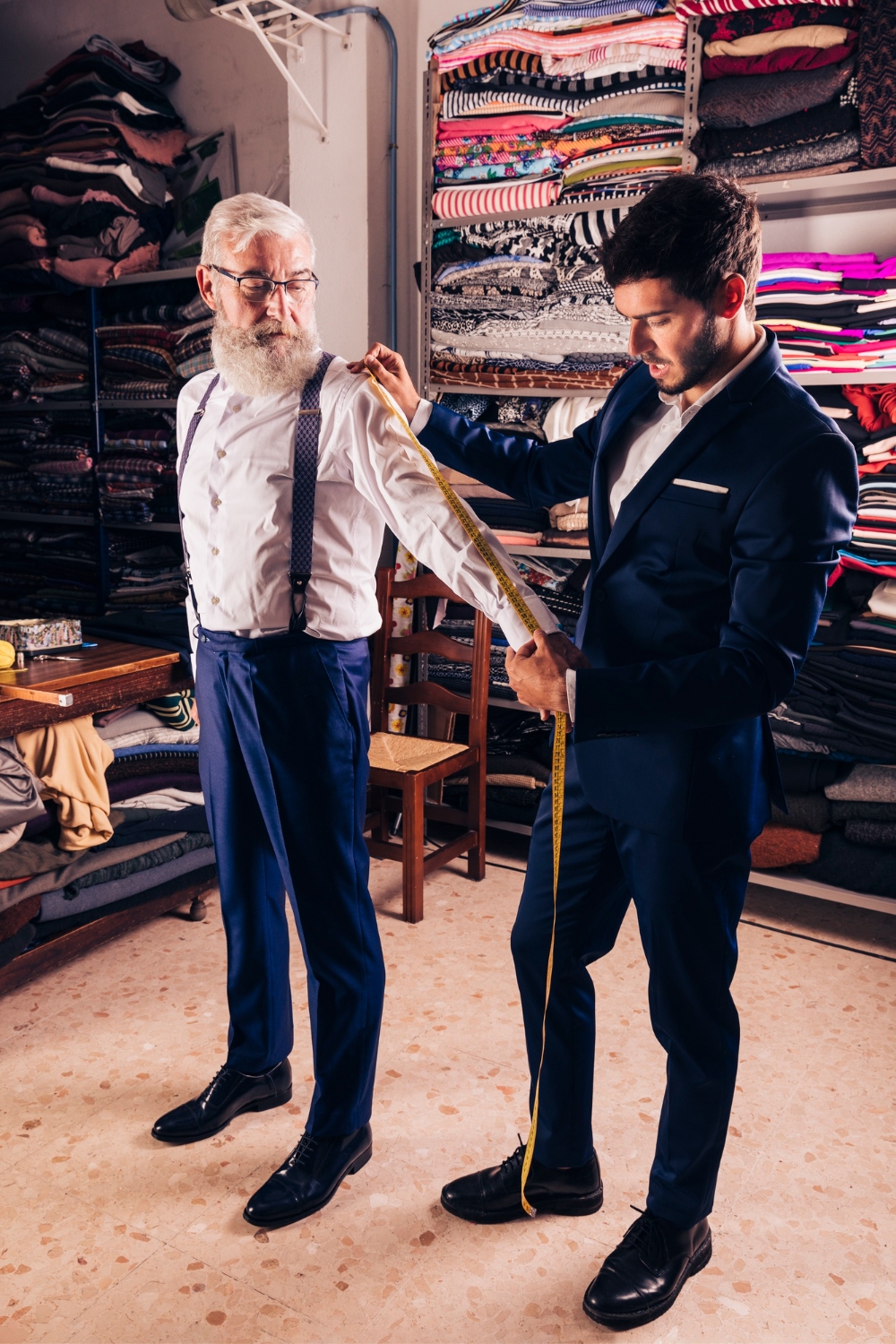
Clothing fit plays an important role in a man's overall appearance, comfort, and confidence. Even well-made garments may require adjustments to suit individual body proportions. In New York City, where professional attire, formalwear, and everyday fashion are part of daily life, men's clothing alterations NYC is a relevant topic for individuals seeking a better fit without replacing their existing wardrobes. Understanding common alteration services, garment construction, and proper fitting techniques helps explain how clothing can be adjusted to meet different needs.
Why Men's Clothing Alterations Matter
Men's clothing is manufactured in standard sizes, but individual body shapes vary considerably. A jacket that fits well across the shoulders may have sleeves that are too long. Trousers may fit comfortably around the waist while appearing too loose through the legs. Shirts can also require adjustments to the sleeves, cuffs, or body.
Clothing alterations address these differences by modifying specific parts of a garment. Proper adjustments can improve proportions, reduce excess fabric, and create a more balanced silhouette. They can also extend the useful life of clothing that remains in good condition but no longer fits as expected.
In a city such as New York, where people move between offices, social events, business meetings, and formal occasions, a suitable fit can be especially important. Alterations allow garments to accommodate these different settings while maintaining their original purpose and appearance.
Common Types of Men's Clothing Alterations
Several alteration services address the most common fit concerns in men's wardrobes.
1. Suit Jacket Alterations
Suit jackets often require precise adjustments because their structure influences the appearance of the entire outfit. Sleeve length, jacket length, waist suppression, and certain side-seam adjustments can affect how a jacket sits on the body.
Sleeves that extend too far over the hands may make a suit appear oversized, while sleeves that are too short can disrupt the intended proportions. Adjusting the waist can create a closer silhouette, although excessive alteration may affect the jacket's balance.
Shoulder adjustments are generally more complicated because the shoulders provide much of a jacket's structure. For this reason, selecting a jacket with an appropriate shoulder fit is often preferable to relying on extensive alterations.
2. Trouser Hemming and Waist Adjustments
Trouser alterations are among the most common services sought by men. Hemming changes the length of trousers so that they fall appropriately over the shoes. The preferred length depends on the trouser cut, footwear, and personal style.
Some trousers are worn with a slight break, where the fabric rests against the shoe, while others feature a cleaner, shorter line. Neither approach suits every outfit, making the intended appearance an important consideration.
Waist adjustments can also improve comfort when trousers are too loose or slightly tight. Depending on the garment's construction and available seam allowance, the waist may be taken in or let out. Seat and leg adjustments can further refine the fit, provided the original design allows sufficient modification.
3. Shirt Sleeve and Body Adjustments
Dress shirts and casual button-down shirts frequently require minor alterations. Sleeve shortening, body tapering, and adjustments around the cuffs can help reduce excess fabric and improve movement.
A properly fitted shirt should allow comfortable arm movement without excessive pulling across the chest or back. The collar should also sit comfortably without restricting the neck. Alterations can address certain fit issues, although a shirt that is significantly undersized may not be suitable for modification.
4. Denim and Casualwear Alterations
Jeans, chinos, casual trousers, and other everyday garments may also benefit from alterations. Common adjustments include shortening hems, tapering legs, and modifying waistbands.
Denim requires particular attention because different washes, stitching patterns, and original hems can influence the finished appearance. Preserving the original hem may be desirable when maintaining the garment's existing style is important.
What to Consider Before Altering Clothing
Before seeking men's clothing alterations in NYC, garment owners can evaluate several practical factors. The first is the quality and condition of the item. A durable garment with sound stitching may be worth adjusting, whereas worn fabric, damaged seams, or extensive fading can limit the value of alterations.
The second consideration is the amount of fabric available for modification. Some garments contain additional material inside the seams, allowing limited expansion or reduction. Others have little room for adjustment.
The third factor is the intended fit. Modern slim silhouettes, classic cuts, and relaxed styles have different proportions. An alteration should complement the garment's design rather than force it into a shape that compromises comfort or construction.
The Role of Accurate Measurements
Accurate measurements are essential for consistent alteration results. Important measurements may include waist circumference, inseam, sleeve length, chest, shoulder width, and jacket length.
However, measurements alone do not always reveal how a garment behaves during movement. A fitting assessment can show whether fabric pulls when the wearer sits, raises an arm, or walks. These observations help identify adjustments that improve both appearance and function.
Clear communication about preferred fit, footwear, and intended use also helps establish realistic expectations before work begins.
Understanding Alteration Costs and Timing
The cost of men's clothing alterations in New York City varies according to garment type, construction, complexity, and turnaround requirements. Simple trouser hemming generally involves less work than reshaping a structured jacket or modifying a lined coat.
Urgent requests may involve additional charges, depending on scheduling and the work required. More complex alterations can also take longer because they may require careful disassembly, reconstruction, and repeated fitting checks.
Comparing the scope of work, estimated completion time, and garment-specific requirements can help individuals make informed decisions.
Conclusion
Men's clothing alterations NYC encompasses a range of adjustments designed to improve fit, comfort, and garment longevity. From suit jackets and dress shirts to trousers and denim, each garment presents different construction considerations. Understanding these differences helps individuals recognize which adjustments may be practical and which fit issues require more extensive work. With suitable measurements, realistic expectations, and attention to garment structure, alterations can help maintain a functional wardrobe while supporting a well-balanced personal style.
- Goth Lifestyle
- Fashion & Style
- Music & Bands
- Art & Photography
- Creative Writing & Poetry
- Events & Scene
- Occult & Spirituality
- DIY & Tutorials
- Beauty & Self-Care
- Relationships & Dating
- Gaming & Media
- Tech & Gadgets
- Body Art & Piercings
- Underground Culture
- Spotlights & Interviews
- Travel & Places
- Lifestyle & Daily Life
- Fitness & Health
- Travel & Adventure
- Books & Literature
- Tech & Gaming
- Movies & TV
- Food & Drinks
- Humor & Memes
- Pets & Animals
- General Arts & Crafts

 English
 Arabic
 French
 Spanish
 Portuguese
 Deutsch
 Turkish
 Dutch
Dutch
 Italiano
 Romaian
 Portuguese (Brazil)
 Greek
Greek
