


Hardwood Floor Refinishing Tips for Homeowners
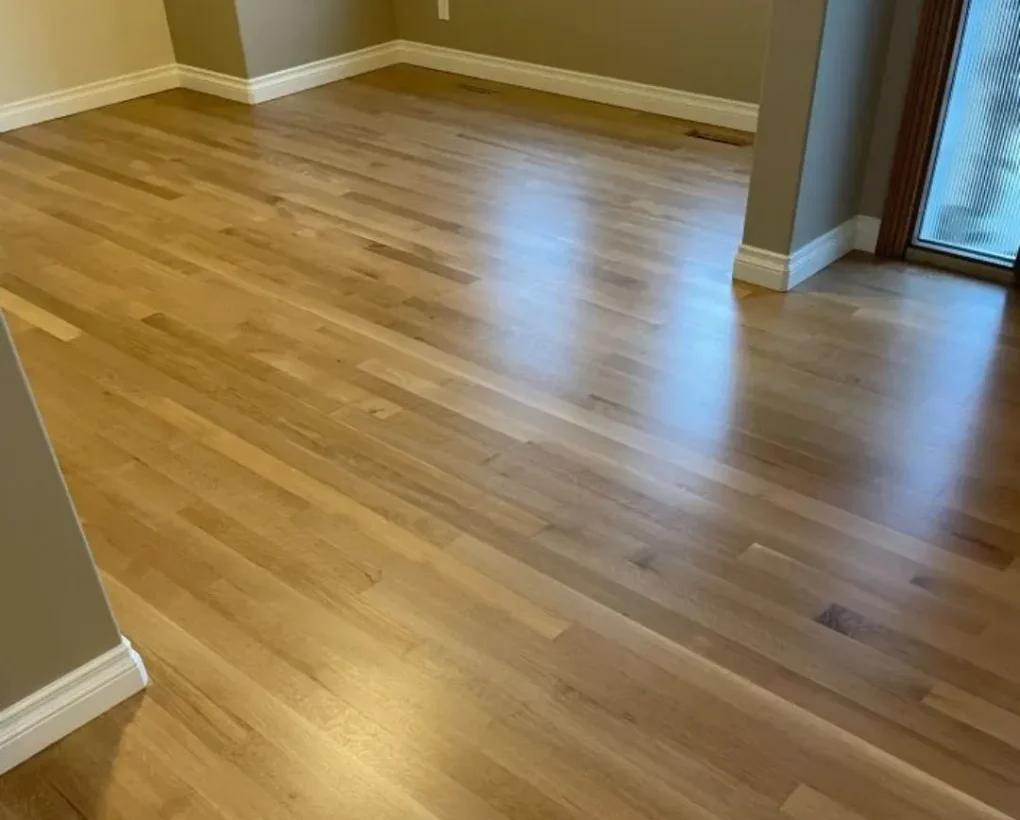
Remember the day you first fell for your floors? Maybe it was the warm glow, the rich grain, or the way the whole room felt solid underfoot. Now fast-forward a few years. Scratches pile up, the shine has faded, and that glow looks more like a tired shrug.
Don’t panic. Hardwood is one of the few flooring materials that can start over. Hardwood floor refinishing strips away years of wear and gives you a surface that looks nearly brand new. In this guide, I’ll share practical tips on timing, process, mistakes to dodge, and aftercare. Think of me as the friend who’s already been through it and is happy to spill the secrets.
What Is Hardwood Floor Refinishing, Exactly?
Refinishing means sanding the existing finish (and a whisper of the wood itself) down to a clean, bare surface, then applying new stain and protective coats. It’s the full reset button. Instead of masking wear, you remove it.
How It Differs from Polishing
People mix these two up all the time. Polishing lightly buffs the finish and adds a fresh top coat. It’s wonderful for dull but sealed floors. Refinishing goes much deeper, taking the floor down to bare wood. If polishing is a facial, refinishing is a full renovation of your skin care routine.
If your floor only needs a quick revival, take a look at the hardwood floor polishing service first. You might save yourself time and money.
Why Refinishing Is Worth It
Replacing a hardwood floor is expensive, messy, and often unnecessary. Refinishing costs a fraction of that and delivers dramatic results. You also get to change the color. Want to swap a dated orange tone for a modern natural look? Refinishing makes it possible. Plus, a gleaming floor adds real curb appeal if you ever decide to sell.
How to Know It’s Time to Refinish
Floors rarely scream for help. They fade slowly, so you stop noticing. A quick audit can reveal the truth.
Visual Warning Signs
- Deep scratches or gouges that catch the light
- Gray, bare, or worn patches in hallways and doorways
- Dark stains from pet accidents or old spills
- A finish that looks peeling, cloudy, or patchy
- A color you simply can’t stand anymore
The Water-Drop Test
Here’s a simple experiment. Place a few drops of water on a high-traffic spot. If they bead up, the finish is still doing its job. If they soak in or darken the wood, the protective layer has failed. That’s a strong signal that refinishing, not polishing, is your next move.
Before You Begin: Planning Your Project
A great refinish starts long before the sander roars to life. Planning prevents headaches.
Check Your Floor Type
Solid hardwood can be refinished multiple times over its life. Engineered hardwood is trickier, because the top wood layer is thin and may only handle a light sanding or none at all. Check your floor’s wear layer thickness before you commit. If you’re unsure, ask a pro to inspect it.
Set a Realistic Budget and Timeline
Costs depend on room size, floor condition, finish choice, and whether stain is involved. Timelines matter too. Between sanding, staining, coating, and drying, a typical project can stretch across several days. Add curing time before you can put furniture and rugs back.
| Project Stage | Typical Time | What to Expect |
|---|---|---|
| Prep and furniture removal | Half a day | Clear the room, protect nearby areas |
| Sanding | 1 day | Loud, dusty, but impressive |
| Staining | Half to 1 day | Color goes on, then dries |
| Finish coats | 1 to 2 days | Multiple coats with drying between |
| Curing | Several days | Light foot traffic only |
Timelines vary by product and conditions, so treat these as ballparks, not promises.
Prepare Your Home
Move out furniture, take down curtains if possible, and seal vents and doorways to limit dust. Arrange for pets to stay elsewhere. Plan where you’ll live and cook while the floors cure, because you won’t want to cross freshly coated boards.
The Refinishing Process, Step by Step
Knowing what happens in your home makes the whole experience far less stressful. Here’s the typical flow.
Sanding
Sanding is the heart of the job. A drum or orbital sander removes the old finish and levels the surface. An edger handles the borders, and hand tools tackle corners. Done well, it’s invisible. Done badly, you’ll see ripples and swirl marks for years.
Choosing the Right Grit
Professionals work through progressively finer sandpaper grits. Start coarse to remove the old finish, then move to medium and fine grits to smooth the surface. Skipping steps leaves scratches that stain will highlight like a spotlight. Rushing sanding is like skipping your warm-up before a marathon.
Staining
Once the wood is bare and clean, you can choose a stain. Always test your color on a hidden patch or spare board first. Wood species absorb stain differently, and what looked perfect on a sample card might surprise you on your floor. If you love the natural wood tone, you can skip stain altogether and simply seal it.
Applying the Finish
The finish is your floor’s armor. Most projects use two to three coats, with light buffing between layers for a silky result.
Oil-Based vs. Water-Based
| Feature | Oil-Based | Water-Based |
|---|---|---|
| Color effect | Warm, amber tone that deepens over time | Clearer, stays closer to natural color |
| Drying time | Slower | Faster |
| Odor | Stronger | Milder |
| Durability | Very tough | Tough, with modern formulas improving |
Neither wins every time. Oil-based options suit homeowners who love a rich, traditional glow. Water-based finishes fit those who want faster turnaround and a lighter look.
DIY or Professional: An Honest Comparison
I won’t pretend DIY is impossible. Plenty of capable homeowners refinish a small room and feel proud afterward. But it’s a physically demanding job with a steep learning curve, and mistakes are visible forever.
Table 2: DIY vs. Professional Refinishing at a Glance
| Factor | DIY | Professional |
|---|---|---|
| Upfront cost | Lower, though rentals and materials add up | Higher |
| Skill needed | Significant | Handled by trained crew |
| Equipment | Rented, often heavy and unforgiving | Commercial grade, dust-controlled |
| Risk of mistakes | Higher | Lower |
| Time | Several weekends for most homes | Faster and more predictable |
If you want to see how a professional team handles the job, explore the hardwood floor refinishing page at Arbutus Hardwood.
Common Mistakes to Avoid
Learn from other people’s pain. These errors show up again and again:
- Sanding too aggressively. You can’t put wood back once it’s gone, especially on engineered floors.
- Skipping the dust cleanup. Leftover dust gets trapped in the finish and leaves a gritty texture.
- Rushing between coats. Insufficient drying causes bubbling and peeling.
- Ignoring humidity. Extreme moisture or dryness affects how finishes cure.
- Walking on the floor too soon. Even a few careless steps can leave marks.
- Mixing incompatible products. Always use stains and finishes designed to work together.
- Skipping a test patch. Surprises are fun at birthdays, not at stain time.
Aftercare: Protecting Your Fresh Finish
You’ve invested time and money. Now protect it. The first few weeks are especially delicate.
- Keep furniture off until the installer says it’s safe, then lift it rather than dragging it.
- Wait before placing rugs so the finish can breathe and cure.
- Use felt pads under every chair and table leg.
- Sweep or vacuum regularly, since grit acts like sandpaper.
- Clean with a pH-neutral hardwood cleaner, and skip steam mops.
- Wipe spills fast, because water is hardwood’s arch-nemesis.
- Keep indoor humidity steady throughout the year.
- Trim pet nails so your dog’s enthusiasm doesn’t scratch the new surface.
Ten minutes of care each week can stretch the time between refinishes by years.
Refinishing, Polishing, and Repair: Picking the Right Fix
Not every tired floor needs the full treatment. Here’s a quick way to match the problem to the solution.
- Dull but sealed floor: Try polishing.
- Worn-through finish or deep scratches: Refinish.
- Cracked, gapped, or water-damaged boards: Start with hardwood floor repairing. Individual boards can be replaced and blended in so seamlessly that you’ll struggle to spot them. The hardwood floor repair page explains how it works.
Often, repair comes first and refinishing follows, so the whole floor ends up looking like one beautiful, consistent surface.
When to Consider Custom Hardwood Flooring
Sometimes a floor has lived its best life. Maybe water damage runs too deep, the boards are too thin to sand again, or the layout no longer suits your family. In that case, starting fresh may be smarter than patching.
Custom hardwood flooring lets you choose the species, plank width, stain, and pattern. It’s like having a tailored suit made instead of altering one you’ve outgrown. Explore the custom hardwood flooring options, and see how professional hardwood floor installation turns your design into reality.
Why Arbutus Hardwood Is Worth a Look
Choosing a flooring partner is a bit like choosing a doctor. You want someone skilled, honest, and happy to explain their thinking. Arbutus hardwood covers the complete journey: installation, custom design, polishing, refinishing, and repair.
That continuity pays off. A team that understands how your floor was built can recommend the lightest fix that works, instead of pushing the biggest job. You can browse their full range of services at arbutushardwood.com.
Before hiring anyone, ask to see completed projects, find out how they control dust, and request details about finishes and aftercare. Clear answers are a green flag. Vague ones? Keep looking.
Conclusion
Hardwood floor refinishing is one of the smartest ways to refresh a home. It erases years of wear, lets you update your color, and extends the life of your floors by decades. With careful planning, the right finish, and patient aftercare, you can enjoy results that look like you installed new floors without the price tag.
Whether you tackle a small project yourself or hand it to professionals, remember the big picture: match the fix to the problem, avoid shortcuts, and protect your investment afterward. Your floors have stories to tell. Refinishing just lets them shine while they tell them.
FAQs
1. How often should I refinish my hardwood floors?
Most homes need refinishing every seven to ten years, though busy households may need it sooner. Let the condition of the finish guide you rather than the calendar. Regular polishing in between can stretch the interval.
2. How long does hardwood floor refinishing take?
A typical project spans several days, including sanding, staining, multiple finish coats, and drying. Full curing takes longer, so expect to be gentle with the floor for a while afterward.
3. Can I refinish engineered hardwood?
Sometimes. It depends on the thickness of the top wood layer. Thin layers may handle only a light sanding or none at all, so have a professional inspect the floor before you start.
4. Do I have to move out during refinishing?
Not always, but you’ll need to avoid the work area, and fumes and dust can be unpleasant. Many homeowners arrange for pets and children to stay elsewhere during the messiest stages.
5. Is refinishing better than replacing my floors?
In most cases, yes. If the boards are structurally sound, refinishing costs far less than replacement and preserves the character of your existing floor. Replacement makes sense only when damage is too extensive to fix.
- Goth Lifestyle
- Fashion & Style
- Music & Bands
- Art & Photography
- Creative Writing & Poetry
- Events & Scene
- Occult & Spirituality
- DIY & Tutorials
- Beauty & Self-Care
- Relationships & Dating
- Gaming & Media
- Tech & Gadgets
- Body Art & Piercings
- Underground Culture
- Spotlights & Interviews
- Travel & Places
- Lifestyle & Daily Life
- Fitness & Health
- Travel & Adventure
- Books & Literature
- Tech & Gaming
- Movies & TV
- Food & Drinks
- Humor & Memes
- Pets & Animals
- General Arts & Crafts

 English
 Arabic
 Spanish
 Portuguese
 Deutsch
 Turkish
 Dutch
Dutch
 Italiano
 Russian
 Romaian
 Portuguese (Brazil)
 Greek
Greek