


How to Choose the Right Front End Loader for Australian Conditions
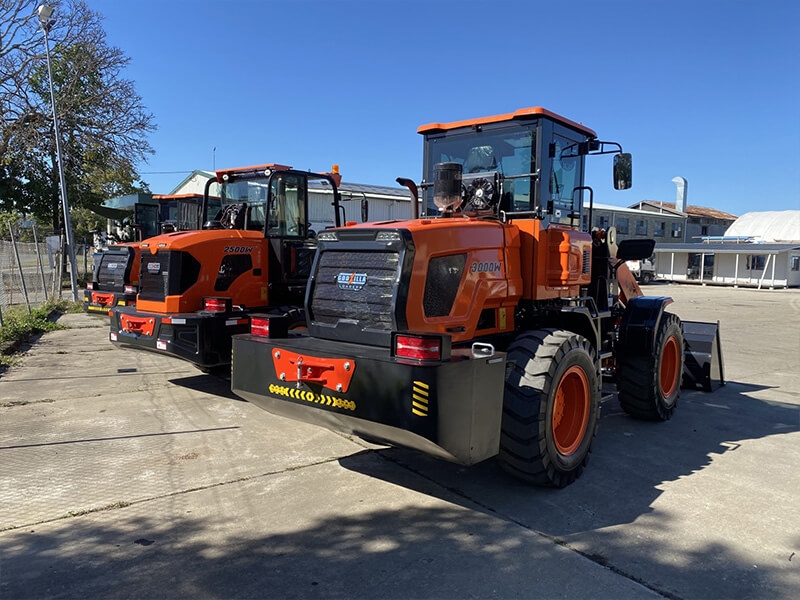
Choosing the right front end loader is an important decision for farmers, contractors, landscapers, construction businesses and property owners. The right machine can make material handling, earthmoving and general property work considerably more efficient. Before comparing brands or prices, it is worth understanding what you actually need from a machine. For Australians researching front end loaders Australia, resources such as Godzilla Loaders can also be useful for comparing different loader sizes, specifications and attachment options.
What Is a Front End Loader?
A front end loader is a wheeled machine designed primarily for lifting, carrying and moving materials. The front-mounted bucket can be used for tasks such as moving soil, gravel, sand, mulch and other loose materials.
Depending on the machine and attachment selected, loaders can also be used for handling hay, pallets, logs, vegetation and other materials.
One of the main advantages of a front end loader is its versatility. Instead of using a machine for only one particular task, a suitable loader can perform multiple jobs when equipped with the right attachments.
Consider the Work You Need to Do
The first step when choosing a loader should be identifying the work it will perform.
For example, a small property owner may need a machine for moving soil, maintaining driveways, clearing vegetation or handling firewood. A farming operation might need a loader for hay, feed, manure, general materials and property maintenance.
Construction and earthmoving businesses may have different requirements, including loading trucks, moving aggregates, preparing work areas and handling heavier materials.
Making a list of your regular jobs can help you avoid buying a machine that is either too small for your requirements or unnecessarily large.
Loader Capacity Matters
Lifting capacity is one of the most important specifications to understand.
A loader's rated capacity does not mean that every load can safely be lifted at every position. Capacity can vary depending on factors such as the height of the load, attachment being used, material density and operating conditions.
For example, a loader may be capable of handling a particular weight close to ground level but have a different practical capacity when the load is raised.
This is why buyers should look beyond a single number in a brochure and understand how the machine will perform during their actual work.
Operating Weight Is Also Important
Operating weight affects how a loader behaves on different surfaces and during different tasks.
A heavier machine may provide greater stability and traction for demanding applications, but it can also require more consideration when transporting the machine or working on sensitive surfaces.
Smaller loaders can be easier to manoeuvre around buildings, sheds, gates and confined areas. Larger machines can provide greater capacity and productivity when the work involves substantial quantities of material.
There is no universally perfect loader size. The best option depends on the balance between capacity, access, transport and workload.
Think About the Working Environment
Australian properties and worksites can vary enormously.
A loader operating on a large rural property may have very different requirements from one working on a construction site or landscaping project.
Before purchasing, consider:
- Available working space
- Ground conditions
- Slopes and uneven terrain
- Shed and doorway dimensions
- Maximum working height
- Transport requirements
- Frequency of use
- Typical material weights
- Required lifting height
- Available storage space
These factors can have a significant impact on whether a particular machine is practical.
Attachments Can Increase Versatility
A loader is not limited to its standard bucket.
Depending on the model, attachments can allow a machine to perform a much wider range of tasks. Common options include forks, hay forks, log grabs, augers, rippers, slashers, mulchers and specialised buckets.
For example, pallet forks can make a loader useful for moving packaged materials, while hay forks can be valuable for agricultural applications.
Godzilla Loaders currently lists a range of attachments for different loader models, including augers, log grabs, rippers, slashers, mulchers, hay forks and various bucket options. Buyers should always confirm attachment compatibility, hydraulic requirements and machine specifications before purchasing.
Choosing attachments according to your actual work is generally more useful than simply buying every available option.
New or Used: Which Is Better?
Both new and used loaders can make sense depending on the buyer's circumstances.
A used machine may offer a lower initial purchase price, but buyers should carefully inspect its condition. Particular attention should be paid to the engine, hydraulics, tyres, transmission, articulation points, bucket, forks and general structural condition.
A new loader can provide access to current specifications, new components and manufacturer warranty arrangements. However, the purchase price is only one part of the overall decision.
When comparing machines, consider the expected operating hours, maintenance requirements, parts availability, support and resale prospects as well as the initial cost.
Don't Ignore Maintenance and Support
Heavy equipment needs regular maintenance regardless of brand or model.
Before buying, ask about:
- Service intervals
- Replacement filters and fluids
- Spare parts availability
- Hydraulic system maintenance
- Engine servicing
- Warranty conditions
- Technical support
- Operator documentation
Good after-sales support can become particularly important when a loader is being used for commercial work where unexpected downtime can affect a project.
Godzilla's support resources, for example, include operator information, maintenance guidance, attachment instructions and service-related material for its loader range.
Compare Specifications Rather Than Just Prices
It can be tempting to choose a loader simply because it has the lowest advertised price. However, two machines with similar prices may have very different specifications.
Compare:
- Rated lifting capacity
- Operating weight
- Engine power
- Bucket capacity
- Overall dimensions
- Lift height
- Hydraulic system
- Transmission and drivetrain
- Standard equipment
- Available attachments
- Warranty
- Delivery and support
For example, the Godzilla 2500W is currently listed with a 5.5-tonne operating weight, 2.5-tonne load capacity and 112 HP engine, while its 1000W is listed at 2.55 tonnes operating weight and 1-tonne load capacity. These differences demonstrate why selecting a loader should be based on the work required rather than simply choosing the largest or cheapest machine.
Consider Transport Before Buying
Transport is sometimes overlooked when purchasing heavy equipment.
Before committing to a loader, determine how it will reach your property or worksites. Check the machine's dimensions and weight against your available trailer or transport arrangements.
If the loader will regularly move between different jobs, transport requirements may become an important part of the overall operating cost.
Look at the Complete Package
A loader purchase may include more than the machine itself.
Consider whether the package includes useful items such as a bucket, quick hitch, forks or other attachments. A machine that appears inexpensive initially may require several additional purchases before it can perform the work you need.
On the other hand, a package containing useful attachments can provide better value if those attachments will actually be used.
Take Time to Research Before Buying
Online research is a useful starting point, but specifications should always be checked against the manufacturer's current information.
If possible, look at photographs, specifications, demonstrations and videos of the actual model. Seeing a machine operating can help you understand its dimensions, controls, visibility and working capabilities.
It is also worth writing down your most common jobs and comparing each loader against that list.
A simple checklist can include:
- What will I lift?
- How heavy are typical loads?
- How high do I need to lift?
- Where will the loader operate?
- How much space is available?
- Which attachments do I need?
- How often will the machine be used?
- How will it be transported?
- What maintenance will be required?
- What warranty and support are available?
Final Thoughts
Choosing a front end loader should be based on practical requirements rather than advertising claims or price alone. Capacity, operating weight, dimensions, attachments, working conditions, transport, maintenance and after-sales support can all influence whether a machine is suitable for your needs.
For anyone comparing front end loaders for sale in Australia, taking the time to understand these factors can make the buying process much easier and help avoid choosing a machine that is either underpowered or unnecessarily large.
If you are researching different loader options, you can review the current range and specifications from Godzilla Loaders as one source of information before making your shortlist. Always confirm current specifications, pricing, availability, warranty terms and suitability directly with the supplier before purchasing.
The most useful loader is not necessarily the biggest machine available. It is the machine that provides the right combination of capacity, manoeuvrability, attachments, reliability and operating cost for the work you actually need to perform.
- Goth Lifestyle
- Fashion & Style
- Music & Bands
- Art & Photography
- Creative Writing & Poetry
- Events & Scene
- Occult & Spirituality
- DIY & Tutorials
- Beauty & Self-Care
- Relationships & Dating
- Gaming & Media
- Tech & Gadgets
- Body Art & Piercings
- Underground Culture
- Spotlights & Interviews
- Travel & Places
- Lifestyle & Daily Life
- Fitness & Health
- Travel & Adventure
- Books & Literature
- Tech & Gaming
- Movies & TV
- Food & Drinks
- Humor & Memes
- Pets & Animals
- General Arts & Crafts

 English
 Arabic
 French
 Spanish
 Portuguese
 Deutsch
 Turkish
 Italiano
 Russian
 Romaian
 Portuguese (Brazil)
 Greek
Greek