


Teeth Whitening at Home vs. at the Dentist: What Actually Works?
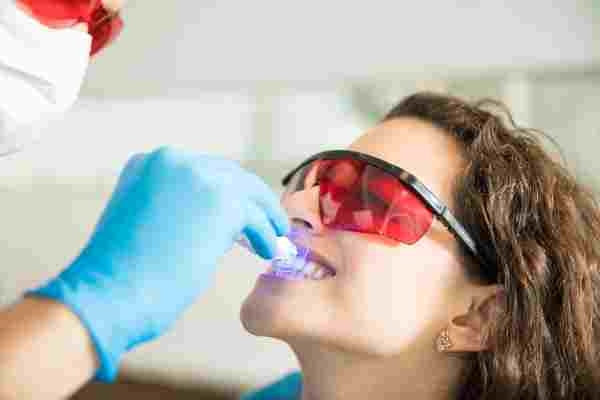
Whitening teeth is one of the most sought-after cosmetic dental procedures, and for good reason. However, with whitening strips, LED lights, charcoal powders, and in-chair procedures claiming impressive results, choosing the right option may not be easy. Do you go for DIY tooth whitening, or should you invest in professional teeth whitening services provided by dentists? The following guide provides a comparison between DIY tooth whitening and teeth whitening procedures performed by dentists.
Why Do Teeth Become Stained?
Tooth discolouration generally falls into two categories:
-
Extrinsic stains sit on the surface of the enamel. They're caused by coffee, tea, red wine, tobacco and strongly coloured foods.
-
Intrinsic stains sit deeper inside the tooth. They can result from ageing, injury, certain medications or excess fluoride in childhood.
Most whitening products use a peroxide-based gel (hydrogen peroxide or carbamide peroxide) that penetrates the enamel and breaks down stain molecules. The main difference between at-home and professional whitening is the strength of that gel and how carefully it's applied.
How At-Home Teeth Whitening Works
Over-the-counter alternatives consist of whitening strips, brushable gels, whitening toothpaste, and over-the-counter tray kits. The peroxide concentration in these is lower, making them safe for individual use, although slow in action.
Advantages: less expensive up front, convenient and gradual effect.
Disadvantages: take two to four weeks to yield results, over-the-counter strips and trays do not necessarily whiten all the teeth evenly, gel may seep out onto the gums and irritate them, and whitening toothpaste just cleans off surface discoloration and does not lighten your natural tooth color.
Exercise caution with social media fads such as activated charcoal powder or a mixture of lemon and baking soda, as these may erode your enamel over time, making your teeth appear even more yellow due to the exposure of dentin underneath.
How Professional Teeth Whitening Works
Professional whitening is carried out or supervised by a dentist and comes in two main forms:
-
In-chair whitening: your dentist protects your gums with a barrier, then applies a high-strength gel, sometimes activated with a special light. One session of around 60 to 90 minutes can lighten teeth by several shades.
-
Dentist-supplied take-home kits: custom trays are made from impressions of your teeth and used with professional-strength gel over one to two weeks. The snug fit keeps the gel on your teeth and away from your gums.
Pros: faster, more noticeable and more even results, plus a dental check beforehand to rule out decay or gum disease.
Cons: higher cost and at least one appointment.
Does Teeth Whitening Damage Enamel?
Used as directed, peroxide whitening is considered safe for enamel. The most common side effect is temporary tooth sensitivity, which usually settles within a few days. Problems tend to arise from overuse, such as whitening too often or leaving products on too long, or from whitening teeth with untreated cavities or exposed roots. A dental check-up first reduces these risks.
How Long Do Whitening Results Last?
Results typically last from six months to two years, and your habits make the biggest difference. To keep your smile bright:
-
Drink coffee, tea and dark drinks through a straw where practical
-
Rinse with water after staining foods and drinks
-
Avoid tobacco
-
Keep up with regular professional cleans
-
Use occasional top-ups with custom trays, if your dentist recommends them
Whitening Won't Change Crowns, Fillings or Replacement Teeth
Whitening gels only work on natural enamel. Crowns, veneers, bonding and fillings won't change colour, so they can look mismatched afterwards. If you're planning restorative work, it's usually best to whiten first and then match new restorations to your brighter shade. The same applies when replacing a missing tooth: if you're considering dental implants in Greenvale, our team can whiten your natural teeth first so your new crown is made to match.
So, Which Option Actually Works?
Both methods work, just in different ways. At-home whitening suits mild surface stains and people are happy to wait for gradual results. Professional whitening is the better choice if you want faster, more dramatic and more even results, have sensitive teeth, or have existing dental work to consider.
- Goth Lifestyle
- Fashion & Style
- Music & Bands
- Art & Photography
- Creative Writing & Poetry
- Events & Scene
- Occult & Spirituality
- DIY & Tutorials
- Beauty & Self-Care
- Relationships & Dating
- Gaming & Media
- Tech & Gadgets
- Body Art & Piercings
- Underground Culture
- Spotlights & Interviews
- Travel & Places
- Lifestyle & Daily Life
- Fitness & Health
- Travel & Adventure
- Books & Literature
- Tech & Gaming
- Movies & TV
- Food & Drinks
- Humor & Memes
- Pets & Animals
- General Arts & Crafts

 English
 Arabic
 French
 Spanish
 Portuguese
 Turkish
 Dutch
Dutch
 Italiano
 Russian
 Romaian
 Portuguese (Brazil)
 Greek
Greek