


Property Inspection Dubai: A Step-by-Step Guide
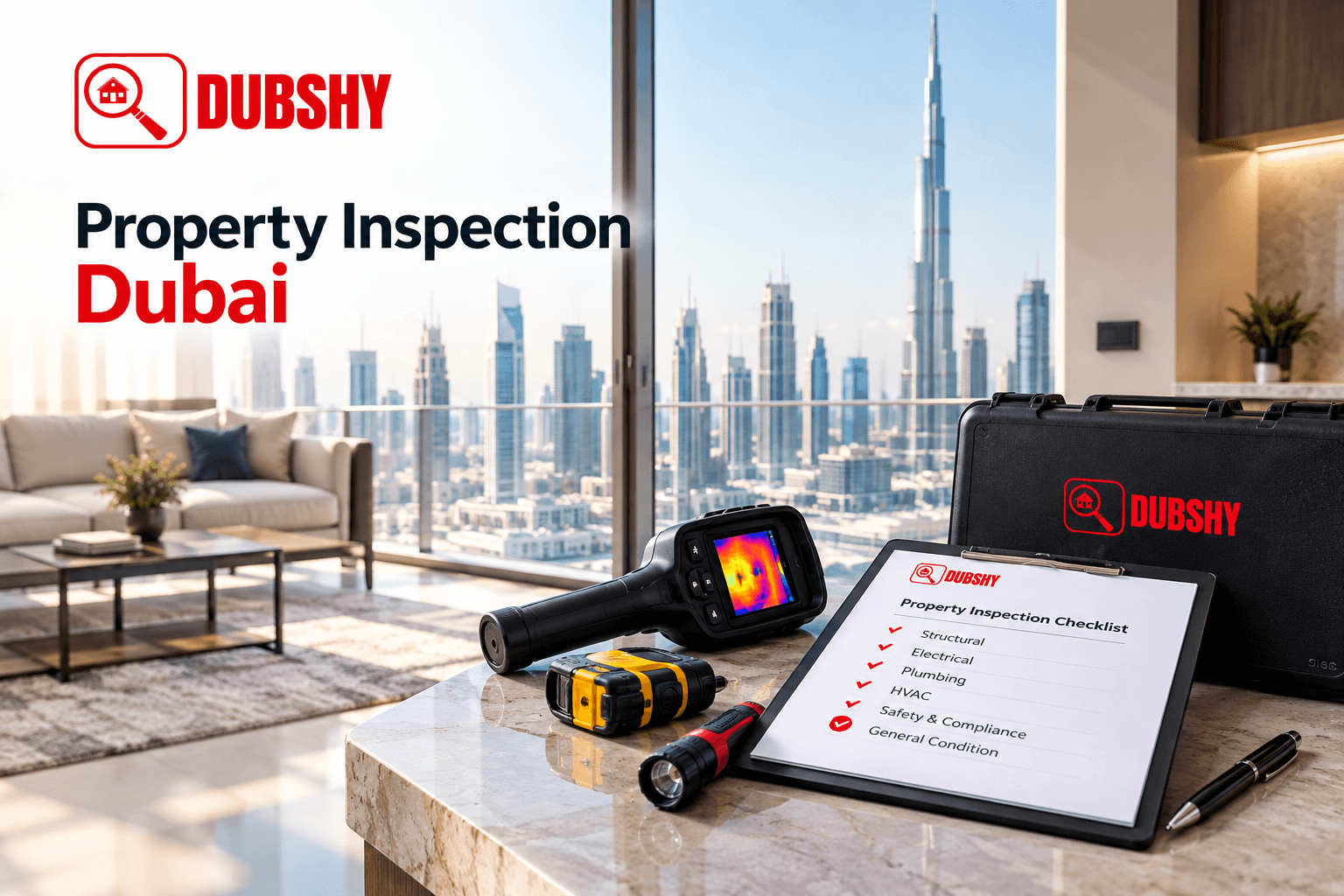
Buying a property in Dubai is a significant commitment, so understanding its actual condition is essential before making a final decision. A property can look attractive during a viewing while still having defects in its finishes, plumbing, electrical fittings, cooling systems, or other components. Property Inspection Dubai services help buyers examine these areas in a more systematic way.
A professional Property Inspection Dubai assessment gives buyers information that may not be available from photographs, sales descriptions, or a short viewing. It focuses on visible and accessible conditions, records defects, and highlights areas that may need repair or further investigation. This can be useful for both newly completed properties and previously occupied homes.
Why Inspect a Property Before Buying?
A property viewing usually focuses on layout, appearance, location, and features. An inspection has a different purpose. It looks more closely at the condition and operation of the property.
Appearance Does Not Tell the Whole Story
Fresh paint, new flooring, and attractive furniture can make a property appear well maintained. They do not necessarily confirm that the underlying systems are in good condition.
For example, a clean bathroom may still have poor drainage or deteriorated sealant. Similarly, a recently painted ceiling may have a concealed history of water staining.
An inspection helps separate cosmetic presentation from observable technical condition.
Identify Problems Earlier
Defects are generally easier to address when they are identified before a purchase is completed or during the relevant handover process.
A report can highlight issues such as leaking fixtures, damaged tiles, poorly aligned doors, moisture marks, or malfunctioning equipment. The buyer can then decide which findings require immediate attention.
How a Property Inspection Is Carried Out
A typical inspection follows a systematic process rather than checking random areas.
Initial Property Assessment
The inspector first considers the property's general condition, layout, accessible rooms, and visible finishes.
This establishes a baseline for more detailed checks. Any limitations, such as locked areas or inaccessible equipment, should also be noted.
Room-by-Room Examination
Each area is then examined separately. This approach reduces the chance of overlooking small defects.
Bedrooms, living areas, kitchens, bathrooms, utility spaces, balconies, and other accessible areas may all be reviewed depending on the agreed inspection scope.
Testing Accessible Components
Where appropriate and safe, the inspector may operate fixtures and controls to assess their basic function.
The extent of functional testing varies between inspection providers. Buyers should confirm what the service includes before booking.
What Inspectors Look For
Different components can reveal different types of defects.
Walls, Ceilings, and Internal Finishes
Inspectors may look for:
-
Cracks
-
Damp or water staining
-
Peeling paint
-
Uneven plaster
-
Damaged surfaces
-
Poorly finished joints
-
Evidence of previous repairs
The presence of a crack does not automatically mean there is a structural defect. Its location, size, appearance, and other circumstances determine whether further professional assessment is appropriate.
Floors and Tiles
Floor surfaces should be checked for cracked or loose tiles, uneven areas, damaged grout, gaps, and poor finishing.
In wet areas, deteriorated grout and sealant can allow water to reach surrounding materials. This makes bathrooms, kitchens, and balconies particularly important areas to examine.
Doors and Windows
Doors should be checked for proper operation, alignment, handles, hinges, locks, and visible frame damage.
Windows can be examined for damaged glass, faulty hardware, alignment problems, and visible gaps around frames. These seemingly minor defects can affect usability and maintenance.
Plumbing and Water Systems
Plumbing problems can cause both inconvenience and property damage, making them an important part of an inspection.
Bathroom Inspection
Accessible bathroom fixtures may include toilets, sinks, taps, showers, drains, and visible pipe connections.
The inspector may look for:
-
Leaking fixtures
-
Slow drainage
-
Damaged sealant
-
Loose fittings
-
Water stains
-
Poorly finished joints
-
Visible moisture
A suspected concealed leak may require specialist plumbing investigation rather than a conclusion based only on visible evidence.
Kitchen Plumbing
The kitchen sink, tap, drainage, and accessible pipework should also receive attention.
Inspecting the cabinet beneath the sink can be particularly useful because water damage may leave stains, swelling, or deterioration that is not visible from outside the cabinet.
Electrical Components
Electrical systems require careful handling, so inspection methods should remain within the agreed professional scope.
An inspector may check accessible switches, sockets, lights, fixtures, and visible wiring for obvious defects or signs of damage.
Burn marks, exposed wiring, loose components, or unusual conditions should be treated seriously. A general property inspection does not replace specialist electrical testing where detailed safety verification is required.
Air Conditioning and Ventilation
Dubai's climate makes cooling systems an important consideration for property buyers.
An inspection may involve checking accessible controls, basic operation, airflow, unusual sounds, visible damage, and other observable conditions.
However, an ordinary property inspection cannot establish every internal mechanical condition of an air conditioning system. If cooling performance is poor or unusual noises are present, a qualified HVAC technician may need to perform a more detailed assessment.
Inspection of New Properties
New properties can still have defects resulting from installation, finishing, or construction work.
Common Handover Findings
A handover inspection may identify:
-
Scratched surfaces
-
Damaged tiles
-
Uneven paint
-
Loose fixtures
-
Misaligned doors
-
Cabinet installation issues
-
Poor sealant
-
Plumbing problems
-
Air conditioning concerns
-
Incomplete finishing
The advantage of identifying these issues early is that they can be documented clearly for follow-up.
Why Photographs Matter
Photographs provide useful evidence alongside written descriptions. A report that states "tile damaged in bathroom" is less useful than one that identifies the exact location and includes a clear image.
Inspection of Resale Properties
Resale properties require attention to both defects and normal wear.
An older apartment may have worn bathroom sealant, aging fixtures, damaged flooring, moisture marks, or equipment that needs servicing. None of these findings should automatically be treated as a major defect.
The important question is whether the condition affects safety, functionality, maintenance requirements, or the property's expected condition.
How Buyers Should Review the Inspection Report
An inspection report can contain many observations. Buyers should focus on significance rather than simply counting defects.
Separate Issues by Priority
A practical classification is:
Urgent: Conditions that may involve safety, active water leakage, or major system failure.
Important: Problems affecting normal use or likely to worsen without attention.
Routine: Maintenance requirements that can be planned.
Cosmetic: Minor appearance-related imperfections that do not materially affect functionality.
This makes the report easier to use when deciding what needs attention first.
Practical Benefits of Property Inspection Dubai
A professional inspection can offer several practical benefits.
Better Understanding of the Property
Buyers receive a more structured picture of the home's observable condition instead of relying entirely on a visual viewing.
More Effective Communication
Detailed findings allow buyers to communicate specific issues to sellers, developers, contractors, or property managers.
Maintenance Planning
Knowing which fixtures and systems require attention can help a new owner plan repairs and routine maintenance.
Reduced Purchase Uncertainty
No inspection can identify every concealed or future problem. However, examining accessible areas systematically can reduce uncertainty and reveal conditions that may otherwise be overlooked.
Common Challenges and Considerations
Hidden Defects
Problems concealed inside walls, ceilings, floors, or sealed equipment may not be visible during a standard inspection.
Inaccessible Areas
Locked rooms, heavy furniture, stored belongings, or inaccessible mechanical equipment can restrict the inspection.
Specialist Requirements
Structural, electrical, HVAC, pest, or other specialist concerns may require separate professional assessments.
Different Inspection Scopes
Inspection companies do not necessarily offer identical services. One provider may include more functional testing or reporting detail than another.
For this reason, buyers should compare the actual scope of work rather than choosing a service based only on price.
Key Tips for Buyers
Before arranging an inspection, buyers should:
-
Confirm exactly what areas are included.
-
Ask whether the report contains photographs.
-
Check how inaccessible areas are recorded.
-
Understand which specialist assessments are excluded.
-
Allow enough time to review the report.
-
Prioritize significant findings instead of focusing only on cosmetic defects.
-
Keep the inspection report for future reference.
These simple steps can make the inspection more useful and easier to act upon.
Frequently Asked Questions
1. What is the main purpose of Property Inspection Dubai services?
The main purpose is to assess the visible and accessible condition of a property, identify defects, document findings, and highlight issues that may require repair or further investigation.
2. Is an inspection useful for a brand-new property?
Yes. New properties can have finishing, installation, or workmanship defects. A detailed inspection can identify and document these issues during the appropriate handover stage.
3. Can an inspection detect water damage?
An inspection can identify visible signs such as stains, damaged finishes, moisture indicators, leaks, or deteriorated sealant where accessible. The source of concealed moisture may require specialist investigation.
4. Does every property inspection include electrical and HVAC testing?
Not necessarily. The scope varies between providers. Buyers should confirm which electrical and HVAC checks are included and whether specialist testing is available when required.
5. Should buyers inspect resale properties?
Yes. A resale property can have wear, aging fixtures, previous repairs, or maintenance issues that may not be obvious during a normal viewing. An inspection provides additional information about its observable condition.
Conclusion
A property inspection gives buyers an opportunity to examine a home more carefully before making an important financial commitment. Property Inspection Dubai services can help identify visible defects, assess accessible components, document problems, and distinguish routine maintenance from issues that may require further attention.
The inspection should not be viewed as a guarantee that a property has no hidden problems. Its real value is the structured information it provides. By choosing a clearly defined inspection service, reviewing the findings carefully, and arranging specialist assessments when necessary, buyers can approach a property purchase with a better understanding of its condition.
- Goth Lifestyle
- Fashion & Style
- Music & Bands
- Art & Photography
- Creative Writing & Poetry
- Events & Scene
- Occult & Spirituality
- DIY & Tutorials
- Beauty & Self-Care
- Relationships & Dating
- Gaming & Media
- Tech & Gadgets
- Body Art & Piercings
- Underground Culture
- Spotlights & Interviews
- Travel & Places
- Lifestyle & Daily Life
- Fitness & Health
- Travel & Adventure
- Books & Literature
- Tech & Gaming
- Movies & TV
- Food & Drinks
- Humor & Memes
- Pets & Animals
- General Arts & Crafts

 English
 Arabic
 French
 Spanish
 Portuguese
 Deutsch
 Turkish
 Dutch
Dutch
 Italiano
 Romaian
 Portuguese (Brazil)
 Greek
Greek