


How to Choose the Best Fabric for a Hiking Kilt
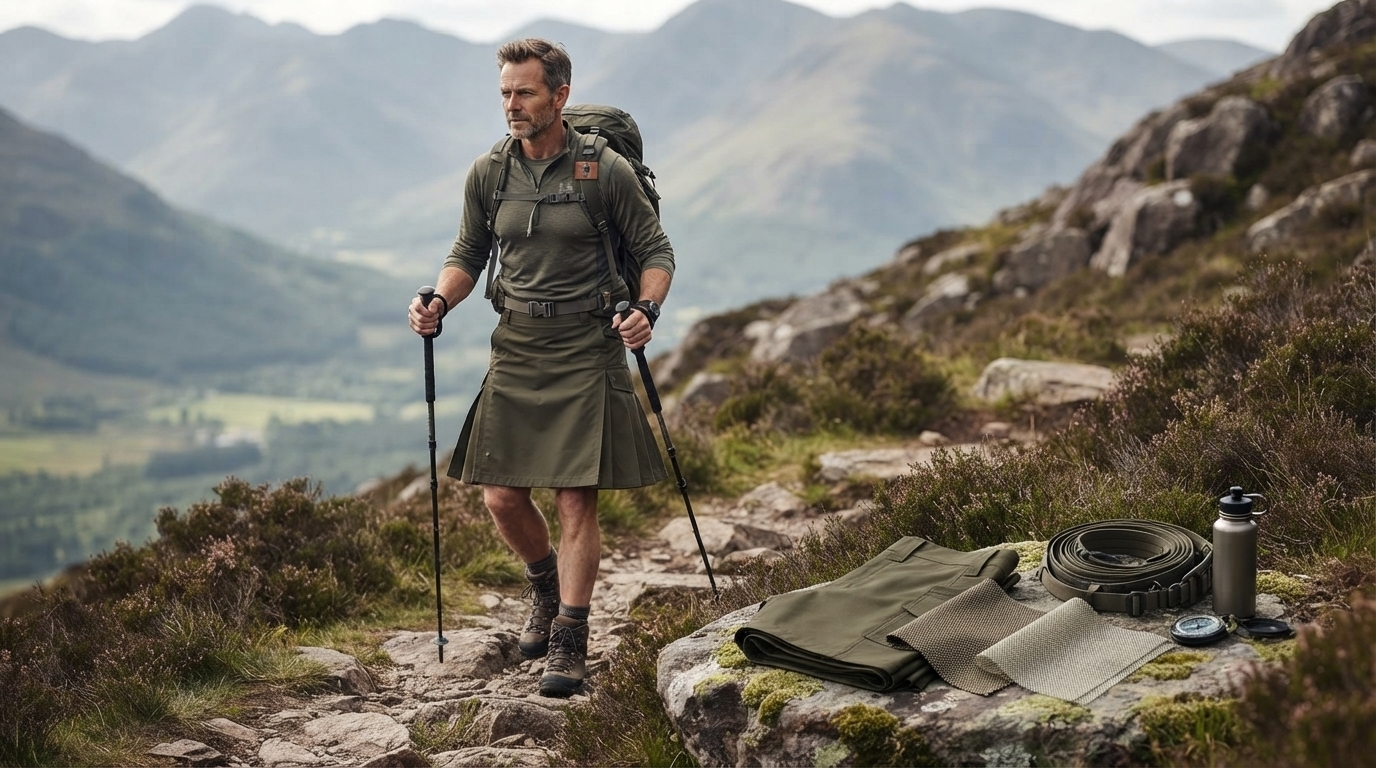
A long trail can expose weaknesses in outdoor clothing quickly. Fabric that feels fine for a short walk may become uncomfortable after hours of movement. Excessive weight, poor flexibility, or unsuitable material can distract you from the trail and make an otherwise enjoyable outing harder.
A hiking kilt offers freedom of movement, but the fabric determines how well it works for your particular environment. The best choice depends on weather, trail conditions, walking distance, personal comfort, and how often you plan to use the garment.
Consider the Trail First
Start by thinking about where you hike. A short woodland trail has different requirements from a long mountain route or a warm-weather nature walk.
Consider the terrain, expected temperature, exposure to rain, and amount of movement involved. Your answers will help narrow down the fabrics that make sense.
You should also consider whether the kilt will serve as your primary lower-body garment or part of a layered outdoor outfit.
Lightweight Cotton
Cotton can feel comfortable against the skin and works well for casual hiking and everyday outdoor use. Its familiar texture makes it an easy choice for people who prefer natural-feeling clothing.
However, cotton has limitations in wet conditions. It can hold moisture and may take longer to dry than certain synthetic fabrics.
For dry-weather walks and casual trails, cotton can provide a comfortable option. For wet environments, hikers should carefully consider other materials or suitable layering.
Synthetic Outdoor Fabrics
Synthetic fabrics such as polyester can offer different advantages for active clothing. They can provide durability and may dry differently from natural fibers.
A synthetic hiking kilt can suit people who prioritize easy maintenance and outdoor use. However, fabric performance varies according to the specific weave, weight, and construction.
Always check the manufacturer's material details instead of assuming every polyester garment will perform identically.
Blended Fabrics
Blended fabrics combine different fibers to create a particular balance of properties. A blend may combine the familiar feel of a natural fiber with characteristics associated with a synthetic material.
This can make blended fabrics attractive for people who want versatility. The exact percentage of each fiber matters, so check the composition before purchasing.
A blend that works well for one climate may not feel equally comfortable in another. Your local conditions should influence your choice.
Ripstop for Active Use
Ripstop construction can suit hikers who want a more utility-focused garment. The reinforced weave helps limit the spread of small tears, which can be useful when clothing encounters rough surfaces.
Ripstop does not automatically mean the fabric is heavy or lightweight. Different materials can use ripstop construction, so check the actual composition and fabric weight.
For active hiking, look at the complete garment rather than choosing solely because a product description mentions ripstop.
Breathability and Warm Weather
Temperature can significantly affect comfort on the trail. During warm-weather hikes, excessive fabric weight can make clothing feel uncomfortable.
A lighter fabric can help create a less bulky garment. Ventilation also depends on the overall design, so consider the kilt's construction as well as the material.
If you frequently hike in warm conditions, test your preferred clothing combination before committing to a long-distance trip.
Weight Matters on the Trail
Every part of hiking clothing contributes to the overall load. A heavy kilt may feel manageable for a short outing but become less appealing during extended use.
Lightweight materials can make the garment easier to wear for longer periods. However, extremely light fabric may not provide the level of durability you want for rough environments.
The ideal choice balances weight with the demands of your normal hiking routes.
Weather and Moisture
Rain changes the way clothing performs. Some fabrics absorb moisture, while others resist it or dry more quickly.
If you hike in areas where rain is common, examine the fabric's moisture characteristics and care instructions. A kilt should fit into your wider weather strategy rather than act as your only protection.
You may also use a suitable outer layer when conditions require additional weather protection.
Durability and Construction
Fabric represents only one part of a hiking kilt's durability. Stitching, seams, waistbands, pockets, and fasteners also experience stress during movement.
Look for reinforced areas where appropriate and inspect how pockets attach to the main garment. Poor construction can undermine an otherwise suitable fabric.
The garment should also remain comfortable when you bend, climb, sit, and walk.
Cleaning and Maintenance
Hiking clothing can accumulate dust, mud, and moisture. Easy maintenance can therefore make a significant difference.
Before buying, check whether the kilt requires machine washing, hand washing, or specialist care. Follow the manufacturer's instructions to protect the fabric.
A garment that fits easily into your normal clothing-care routine can become more practical for frequent use.
Match Fabric to Your Hiking Style
Someone who takes occasional dry-weather walks may prioritize softness and comfort. A frequent outdoor enthusiast may focus more on durability, weight, and moisture management.
Those searching for the Best Fabric Hiking kilt should compare the material's composition, weight, flexibility, weather suitability, construction, and maintenance requirements.
No single fabric works perfectly for every trail. Your environment and personal preferences should guide the final decision.
Final Considerations
Choosing hiking kilt fabric requires the same careful approach as choosing other outdoor clothing. Start with the environment, then compare comfort, weight, durability, moisture behavior, and maintenance.
The right material should support your hiking habits rather than create new problems. When the fabric and construction match your usual conditions, a hiking kilt can become a comfortable and practical part of your outdoor wardrobe.
- Goth Lifestyle
- Fashion & Style
- Music & Bands
- Art & Photography
- Creative Writing & Poetry
- Events & Scene
- Occult & Spirituality
- DIY & Tutorials
- Beauty & Self-Care
- Relationships & Dating
- Gaming & Media
- Tech & Gadgets
- Body Art & Piercings
- Underground Culture
- Spotlights & Interviews
- Travel & Places
- Lifestyle & Daily Life
- Fitness & Health
- Travel & Adventure
- Books & Literature
- Tech & Gaming
- Movies & TV
- Food & Drinks
- Humor & Memes
- Pets & Animals
- General Arts & Crafts

 English
 Arabic
 French
 Portuguese
 Deutsch
 Turkish
 Dutch
Dutch
 Italiano
 Russian
 Romaian
 Portuguese (Brazil)
 Greek
Greek