


Balance Therapy in Ashburn: Improve Stability, Mobility, and Confidence
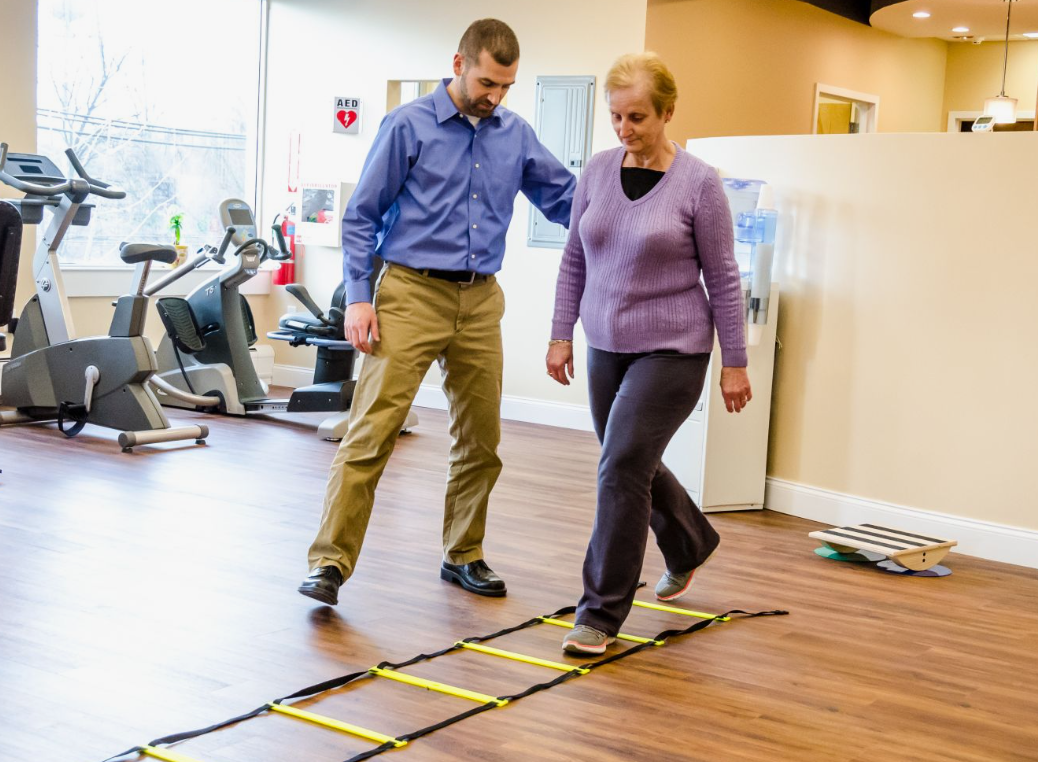
Balance plays an essential role in everyday movement, from walking across a room and using stairs to standing from a chair or participating in recreational activities. When balance becomes less reliable, ordinary tasks may require greater concentration and caution, potentially affecting independence and confidence. Balance therapy in Ashburn offers a structured approach to identifying movement limitations and developing physical skills that support stability. Through individualized assessment, therapeutic exercises, coordination activities, and functional movement training, patients can work toward improving how they control their bodies during everyday activities.
Balance concerns can affect people for many different reasons, including changes in strength, mobility, coordination, physical conditioning, or confidence with movement. Some individuals notice difficulty when walking on uneven surfaces, changing direction, standing for longer periods, or moving between different positions. Others may seek therapy after an injury or period of reduced activity has affected their physical abilities. A personalized rehabilitation program can address these concerns according to the individual's current capabilities and goals, while gradually introducing more challenging movements as appropriate.
Understanding Balance and Why It Matters
Balance is not controlled by one part of the body. It depends on the interaction of the muscles and joints with vision, body awareness, coordination, and the nervous system. The ability to maintain stability can change when one or more of these factors is affected. Physical therapists can evaluate how a person moves, stands, walks, changes positions, and responds to different movement challenges to identify areas that may benefit from rehabilitation. Treatment can then focus on relevant physical skills rather than relying on a generic exercise routine. Improving strength in the lower body, developing better control during movement, addressing mobility limitations, and practicing functional activities may all contribute to a more capable movement pattern.
Common Signs That Balance May Need Attention
Balance difficulties are not always dramatic. Some people may notice subtle changes, such as holding onto furniture while walking, feeling unsteady when turning, avoiding uneven ground, or becoming hesitant when using stairs. Others may experience difficulty maintaining stability when standing on one leg or transitioning from sitting to standing. These changes can influence how a person approaches daily activities and may lead to reduced participation in exercise or recreation. Recognizing changes early can provide an opportunity to discuss them with an appropriate healthcare professional and determine whether physical therapy is suitable. A proper assessment can help distinguish between general deconditioning and more specific movement limitations that may require targeted rehabilitation.
How Balance Therapy Supports Functional Movement
Effective balance rehabilitation should connect exercises to the activities a person actually needs to perform. Therapy may begin with controlled movements that establish a foundation of strength, stability, and body awareness before progressing toward more complex tasks. Depending on the individual's needs, exercises may involve shifting weight, changing direction, maintaining different positions, stepping over obstacles, or practicing controlled transitions. The level of challenge can be adjusted as the patient becomes more capable. This progression is important because balance in a controlled exercise environment does not always translate automatically to real-world situations. Practicing functional movements can help patients develop skills that are more relevant to walking, household activities, work requirements, and recreational pursuits.
The Role of Strength and Mobility in Better Balance
Strength and mobility can have a significant relationship with balance. Weakness in the legs or core may make it more difficult to control the body during movement, while restricted mobility can alter how a person positions the joints and responds to changes in direction. For this reason, balance therapy may incorporate strengthening and mobility exercises alongside stability training. Improving these physical qualities can help create a stronger foundation for controlled movement. However, exercises should be appropriate for the individual's current abilities and progressed thoughtfully. A movement that is useful for one person may be inappropriate for another, which is why professional assessment and individualized programming are important components of effective rehabilitation.
Improving Confidence During Everyday Activities
Physical ability and confidence often influence one another. Someone who feels unsteady may begin avoiding activities that previously seemed routine, which can reduce physical activity and potentially contribute to further deconditioning. Carefully structured therapy can provide opportunities to practice movements in a controlled environment and gradually increase the level of challenge. As patients become more familiar with specific movements, they may develop a better understanding of their capabilities and limitations. This does not mean that therapy can eliminate every balance concern, but it can provide practical strategies for approaching movement more deliberately. Education can also help patients understand how to modify activities when necessary and communicate changes in their symptoms or physical performance.
Why Personalized Assessment Matters
A balance problem should not automatically be treated as a simple lack of strength. Different people can experience similar difficulties for very different reasons, making individualized assessment particularly important. A physical therapist may consider walking patterns, lower-body strength, joint mobility, coordination, posture, functional transitions, and the person's daily environment when determining appropriate treatment priorities. The patient's goals also matter. Someone who wants to walk comfortably around the neighborhood may have different rehabilitation needs from someone who wants to return to recreational sports. By connecting treatment with practical goals, therapy can become more relevant and easier to integrate into everyday life.
Making Progress Safely and Consistently
Balance training requires an appropriate level of challenge. Exercises that are too easy may not provide enough stimulus for improvement, while exercises that are excessively difficult can make proper technique harder to maintain. Professional guidance can help establish an appropriate progression based on the patient's abilities and response to treatment. Consistency is also important because physical skills generally develop through repeated practice rather than occasional effort. Patients should communicate about changes in symptoms, unexpected difficulty, or improvements that make an exercise feel less challenging. This feedback allows a rehabilitation program to evolve as physical abilities change. The emphasis should remain on controlled, purposeful movement rather than simply completing more repetitions or increasingly difficult exercises.
Choosing Balance Therapy in Ashburn
When considering balance therapy in Ashburn, patients should look for an approach that emphasizes individual assessment, clear communication, functional goals, and appropriate progression. A quality rehabilitation experience should help patients understand what they are working on and how their exercises relate to everyday movement. It should also recognize that balance is influenced by multiple physical systems and should be addressed within the broader context of mobility, strength, coordination, and activity level. Whether the goal is to move more confidently around the home, return to exercise, improve stability during daily activities, or regain physical abilities after an injury, an individualized therapy plan can provide a structured path toward meaningful functional progress.
Conclusion
Balance is a fundamental part of safe and efficient movement, and changes in stability can affect everything from everyday independence to participation in exercise and recreation. Balance therapy in Ashburn provides an opportunity to address relevant movement limitations through individualized assessment, strengthening, mobility work, coordination exercises, and functional training. The most useful approach is one that reflects the patient's abilities and goals while progressing at an appropriate pace. By taking balance concerns seriously, practicing consistently, and working with a qualified physical therapy professional, individuals can develop practical strategies for improving movement and maintaining an active lifestyle with greater confidence.
- Goth Lifestyle
- Fashion & Style
- Music & Bands
- Art & Photography
- Creative Writing & Poetry
- Events & Scene
- Occult & Spirituality
- DIY & Tutorials
- Beauty & Self-Care
- Relationships & Dating
- Gaming & Media
- Tech & Gadgets
- Body Art & Piercings
- Underground Culture
- Spotlights & Interviews
- Travel & Places
- Lifestyle & Daily Life
- Fitness & Health
- Travel & Adventure
- Books & Literature
- Tech & Gaming
- Movies & TV
- Food & Drinks
- Humor & Memes
- Pets & Animals
- General Arts & Crafts

 English
 Arabic
 French
 Spanish
 Portuguese
 Deutsch
 Turkish
 Italiano
 Russian
 Romaian
 Portuguese (Brazil)
 Greek
Greek