


KLOW Peptide: Research, Composition, Quality, and Handling Guide
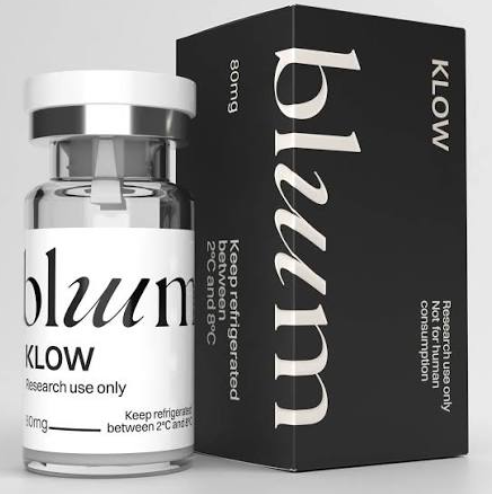
The growing field of peptide research has created increasing interest in multi-component formulations designed for controlled laboratory investigation. KLOW peptide is a research formulation combining four distinct peptide compounds: BPC-157, TB-500, GHK-Cu, and KPV. Understanding the composition of such a formulation is important for laboratories investigating interconnected biological pathways, cellular signaling, and other complex research models. Unlike a single-compound preparation, a multi-peptide formulation introduces several defined components into one experimental material, making composition, consistency, documentation, and appropriate laboratory handling important considerations for researchers.
Modern research teams often look for peptide materials that provide clearly defined specifications and consistent preparation characteristics. KLOW peptide is formulated as a lyophilized research material containing 10 mg each of KPV, BPC-157, and TB-500, together with 50 mg of GHK-Cu, creating an 80 mg total formulation. This combination may interest researchers examining multi-pathway experimental systems where several peptide compounds are evaluated within the same research model. As with any research material, however, its suitability depends on the objectives, controls, and methodology of the specific laboratory investigation.
What Is KLOW Peptide?
KLOW is a multi-component peptide formulation developed for research applications rather than a single isolated peptide. Its composition brings together GHK-Cu, KPV, BPC-157, and TB-500, four compounds that have been investigated across different areas of biological research. GHK-Cu is associated with studies involving copper-dependent biological processes and extracellular matrix activity, while KPV has been investigated in experimental models involving cellular and immune-related signaling. BPC-157 and TB-500 have likewise attracted research interest in studies examining cellular processes and biological signaling. Because these compounds are combined in one formulation, researchers should evaluate the overall material as a multi-component system and design appropriate controls when attempting to distinguish the contribution of individual components.
Understanding the Formulation and Its Components
The formulation of a research peptide blend is an important factor when assessing whether it fits a particular experimental objective. KLOW contains a defined combination of four peptides in a lyophilized preparation, with GHK-Cu representing the largest component by listed mass and KPV, BPC-157, and TB-500 included at equal listed quantities. This structure gives researchers a standardized material for investigations involving multiple peptide-associated pathways. At the same time, a blended formulation can make experimental interpretation more complex because an observed response may involve one component, several components, or interactions between them. Researchers should therefore establish suitable controls and maintain detailed experimental records when working with multi-component peptide preparations.
Why Quality and Analytical Verification Matter
Quality control is fundamental when research depends on consistent experimental materials. Researchers need confidence that the material they receive corresponds to its stated identity and composition, particularly when comparing results between experiments or batches. Analytical information such as purity measurements, batch identification, and laboratory testing can provide useful evidence for evaluating research material before it enters an experimental workflow. A Certificate of Analysis can also help laboratories connect analytical results with a specific production batch. Rather than relying only on a product description, researchers should examine the available documentation and determine whether it meets the quality-control standards established by their laboratory or institution.
Research Applications of a Multi-Peptide Formulation
Multi-peptide formulations can be relevant to research models designed to examine several biological pathways within the same experimental environment. KLOW brings together four compounds with different areas of scientific interest, creating an opportunity to investigate broader interactions rather than concentrating exclusively on a single peptide. Research involving such a formulation may examine cellular communication, pathway interactions, extracellular matrix processes, and other measurable biological outcomes depending on the experimental model. The presence of several compounds also makes careful study design particularly important. Researchers should avoid automatically attributing an experimental observation to one peptide without appropriate controls capable of separating the effects of individual components from those associated with the complete formulation.
Storage and Handling Considerations
Appropriate storage and handling are essential for maintaining consistency in peptide research. KLOW is supplied as a lyophilized material, and protecting the preparation from excessive moisture, light, and unsuitable temperatures is important. Long-term storage is generally associated with frozen conditions, while shorter-term handling may involve refrigerated storage according to the product's stated requirements. Once a lyophilized preparation has been reconstituted, researchers should follow the applicable handling instructions and minimize unnecessary freeze-thaw cycles. Laboratories can further support consistency by maintaining accurate batch records, labeling prepared materials clearly, monitoring storage conditions, and incorporating peptide handling into established standard operating procedures.
Selecting Peptides for Responsible Laboratory Research
Choosing a research peptide should begin with the scientific question being investigated. Researchers should determine whether a multi-component formulation is appropriate or whether an individual peptide would provide better experimental control. They should then review the material's composition, analytical documentation, physical form, storage requirements, and intended research application. Clear documentation can make procurement and experimental planning more efficient while also supporting traceability throughout a study. It is equally important to recognize that research-grade peptide materials are distinct from products intended for therapeutic, clinical, human, or veterinary use. Laboratory teams should therefore use these materials only within appropriate research frameworks and follow their institutional requirements for handling and experimentation.
Multi-Peptide Blends Versus Individual Compounds
A multi-peptide formulation and an individual peptide offer different experimental advantages depending on the research objective. An individual compound can be useful when the goal is to isolate and study a particular molecular variable, while a blend may be more suitable for research examining interactions between several peptide-associated pathways. KLOW provides a predefined combination of four compounds, which can simplify preparation when the complete formulation is the subject of investigation. However, researchers seeking to identify the specific contribution of each component may require separate preparations and appropriate comparison groups. The decision should therefore be based on the experimental design rather than assuming that a blend and its individual components will behave identically.
The Importance of Consistent Research Practices
Reproducibility depends on more than the quality of the starting material. Researchers also need consistent preparation methods, controlled storage, accurate documentation, appropriate experimental controls, and clearly defined analytical procedures. When using a formulation such as KLOW, recording the batch, preparation details, storage conditions, and relevant experimental variables can make it easier to understand differences between research runs. Consistent practices can also help laboratories identify whether an unexpected observation originates from the experimental model, material handling, or another variable. For organizations conducting long-term research, maintaining these records can be particularly valuable when results need to be compared across different periods or batches.
Conclusion
KLOW is a defined multi-peptide research formulation containing GHK-Cu, KPV, BPC-157, and TB-500, offering researchers a standardized material for investigations involving multiple peptide-associated pathways. Its appropriate use depends on the objectives of the study, the quality of the available material, analytical documentation, suitable controls, and careful storage and handling. Researchers evaluating KLOW peptide should consider the complete formulation rather than focusing on individual components alone and should maintain clear records throughout the research process. By combining well-defined materials with disciplined laboratory procedures and appropriate experimental design, research teams can establish a more consistent foundation for controlled peptide investigations.
- Goth Lifestyle
- Fashion & Style
- Music & Bands
- Art & Photography
- Creative Writing & Poetry
- Events & Scene
- Occult & Spirituality
- DIY & Tutorials
- Beauty & Self-Care
- Relationships & Dating
- Gaming & Media
- Tech & Gadgets
- Body Art & Piercings
- Underground Culture
- Spotlights & Interviews
- Travel & Places
- Lifestyle & Daily Life
- Fitness & Health
- Travel & Adventure
- Books & Literature
- Tech & Gaming
- Movies & TV
- Food & Drinks
- Humor & Memes
- Pets & Animals
- General Arts & Crafts

 English
 Arabic
 French
 Spanish
 Portuguese
 Turkish
 Dutch
Dutch
 Italiano
 Russian
 Romaian
 Portuguese (Brazil)
 Greek
Greek