


Storm Damage Roof Inspection: What Property Owners Should Know
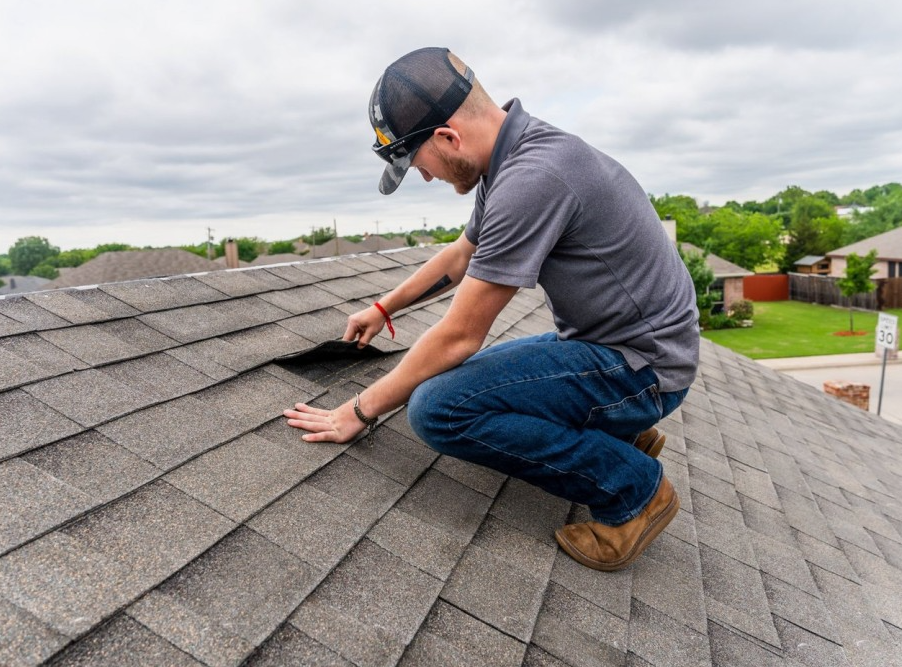
Severe weather can affect a roof in ways that are not always visible from the ground. High winds may loosen shingles, hail can create small impact points, and heavy rain can expose weaknesses around flashing, vents, and drainage areas. A storm damage roof inspection provides property owners with an opportunity to understand the condition of their roofing system after a significant weather event. Rather than waiting for water stains or active leaks to appear, an inspection can help identify potential problems early and determine whether repairs or further evaluation are necessary.
Storm-related roofing issues can range from minor surface damage to problems that affect the roof's ability to protect the entire building. Homeowners, landlords, commercial property managers, and business owners may all benefit from having the roof assessed after substantial wind, hail, or other severe weather. A professional inspection can document visible concerns, examine vulnerable areas, and provide a clearer picture of what action may be appropriate. The goal is not simply to find damage, but to understand its extent and address legitimate roofing concerns before they become more disruptive or expensive.
Why Storm Damage Should Be Inspected Promptly
Roof damage does not always produce an immediate leak. A displaced shingle, damaged flashing component, or compromised seal may initially appear insignificant while allowing moisture to enter during subsequent rainfall. Over time, repeated exposure can contribute to deterioration of roofing materials, insulation, decking, ceilings, walls, or other parts of a building. Prompt inspection is therefore useful because it establishes the roof's condition while the weather event is still recent and before additional problems make the original damage harder to identify. Property owners should avoid climbing onto the roof themselves, particularly after severe weather, because loose materials, wet surfaces, and structural weaknesses can create serious safety hazards. A qualified roofing professional can assess accessible areas using appropriate procedures and determine whether closer examination is warranted.
What a Professional Roof Inspection Looks For
A thorough inspection should consider more than obvious missing shingles. Depending on the roofing system, an inspector may examine shingles, metal panels, flashing, vents, roof edges, penetrations, drainage components, seals, and other areas that are particularly vulnerable to wind and water. Hail can leave dents, fractures, granule loss, or other signs that may require careful evaluation, while strong winds can cause lifting, creasing, displacement, or damage around roof edges. On commercial buildings, inspectors may also need to assess low-slope roofing systems and drainage areas where water accumulation can become a concern. The objective is to connect visible conditions with the roof's overall performance and determine whether the observed issues require maintenance, repair, replacement, or additional investigation.
Common Signs of Storm-Related Roof Damage
Property owners can look for warning signs around the building without attempting to access the roof. Missing or displaced roofing materials, damaged gutters, loose exterior components, water stains on ceilings, damp attic areas, and visible debris can indicate that a recent storm affected the property. Granules accumulating in gutters may also warrant closer examination when the roof uses asphalt shingles. Inside the building, new discoloration, bubbling paint, damp insulation, or unexplained moisture can suggest that water has entered through a compromised area. However, these signs should not be treated as a complete diagnosis. Some storm damage may remain hidden until a professional examines the roofing system, which is why a formal assessment can be valuable even when there are no obvious interior leaks.
How Wind and Hail Affect Different Roofing Materials
The type of roofing material can influence both the appearance and severity of storm damage. Asphalt shingles may experience granule loss, cracking, bruising, lifting, or displacement, while metal roofing can develop dents, damaged coatings, loose fasteners, or issues around seams and penetrations. Other roofing systems have their own vulnerabilities based on their construction and installation. The age and existing condition of the roof also matter because an older system may respond differently to the same weather conditions than a recently installed roof. During an inspection, these factors should be considered together rather than judging damage solely by how dramatic it looks. A small visible defect can sometimes deserve attention, while a noticeable cosmetic mark may not necessarily mean the entire roofing system needs replacement.
What to Do After a Storm Damage Roof Inspection
Once an inspection has been completed, property owners should request a clear explanation of the findings and recommended next steps. If repairs are appropriate, the estimate should identify the general scope of work, materials involved, and any conditions that could affect the final cost. If replacement is recommended, owners should understand why repair is insufficient and what characteristics of the existing roof led to that recommendation. Photographs or written documentation can also be useful for maintaining property records and comparing the roof's condition over time. Where an insurance claim may be relevant, property owners should keep records of the storm date, visible damage, inspection findings, photographs, and repair documentation, while following their insurer's specific procedures. Roofing contractors can provide observations about physical damage, but insurance coverage decisions are determined according to the applicable policy and insurer's assessment.
Choosing a Qualified Roofing Professional
The quality of the inspection can influence the quality of the decision that follows, so property owners should evaluate roofing professionals carefully. Look for contractors who have experience with the specific roofing system on the property, communicate their findings clearly, maintain appropriate insurance and licensing where required, and provide written estimates for recommended work. Be cautious of anyone who pressures you into immediate replacement without explaining the condition of the roof or who makes broad promises without examining the property properly. A professional approach should focus on evidence, documentation, safety, and a repair strategy that matches the actual needs of the building. Property owners should also understand what is included in an inspection and whether the contractor is evaluating the roof only or providing a broader assessment of related exterior components.
Preventing Future Storm-Related Roofing Problems
Although no roofing system can eliminate the effects of severe weather, regular maintenance can help identify weaknesses before a major storm occurs. Keeping drainage systems clear, addressing deteriorated flashing, replacing damaged materials, monitoring aging roof sections, and maintaining surrounding property can all support better roof performance. Regular professional evaluations may also reveal minor problems that could become more significant during high winds or heavy rainfall. After a major weather event, comparing the roof's post-storm condition with previous maintenance records can make changes easier to identify. Preventive attention is particularly valuable for commercial properties because unresolved roofing problems can potentially affect business operations, inventory, equipment, and occupied spaces.
Conclusion
A storm damage roof inspection is an important step for property owners who want to understand how severe weather has affected their roofing system. Wind, hail, and heavy rain can produce both visible and hidden problems, making professional evaluation more useful than relying solely on a ground-level visual check. A careful inspection should identify relevant signs of damage, consider the type and age of the roofing system, distinguish repairable issues from more extensive deterioration, and provide clear information for planning the next step. Property owners can further protect their investment by maintaining records, addressing legitimate problems promptly, and choosing qualified professionals who prioritize safety and transparent communication. Taking a measured approach after a storm can help prevent small roofing concerns from developing into larger property problems.
- Goth Lifestyle
- Fashion & Style
- Music & Bands
- Art & Photography
- Creative Writing & Poetry
- Events & Scene
- Occult & Spirituality
- DIY & Tutorials
- Beauty & Self-Care
- Relationships & Dating
- Gaming & Media
- Tech & Gadgets
- Body Art & Piercings
- Underground Culture
- Spotlights & Interviews
- Travel & Places
- Lifestyle & Daily Life
- Fitness & Health
- Travel & Adventure
- Books & Literature
- Tech & Gaming
- Movies & TV
- Food & Drinks
- Humor & Memes
- Pets & Animals
- General Arts & Crafts

 English
 Arabic
 Spanish
 Portuguese
 Deutsch
 Turkish
 Dutch
Dutch
 Italiano
 Russian
 Romaian
 Portuguese (Brazil)
 Greek
Greek