


Denim Tears: The Brand Turning American History Into Wearable Truth
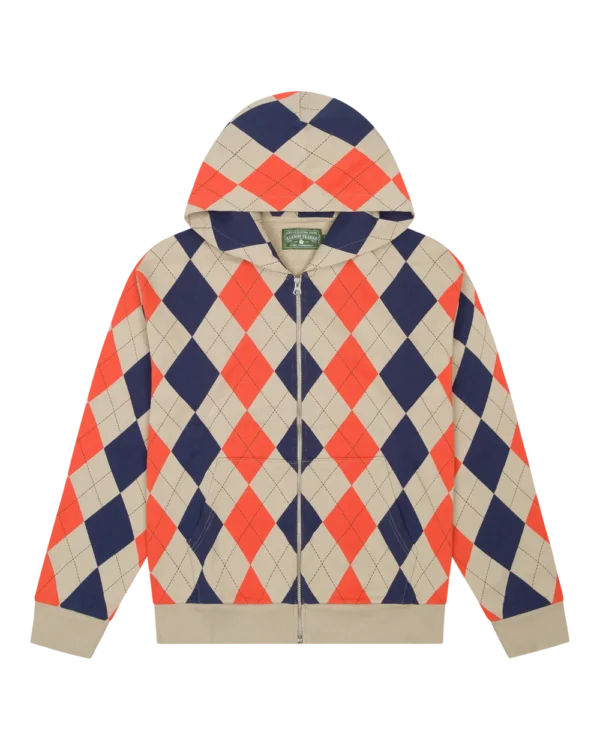
Denim Tears: The Brand Turning American History Into Wearable Truth
Introduction:
Walk down any major street in New York, Los Angeles, or Atlanta, and you will see it. A simple graphic of a cotton plant, arranged in a circular wreath, printed boldly across a hoodie or a pair of jeans. To the untrained eye, it might look like a floral design. But for those who know, that wreath carries the weight of centuries.
Denim Tears Clothing is not your typical streetwear brand. Founded in 2019 by Tremaine Emory, it has grown into one of the most culturally significant labels in contemporary fashion. It is a brand that uses clothing as a vehicle for storytelling, specifically the story of the African Diaspora. And in doing so, it has captured the attention of not just the fashion world, but institutions like the Metropolitan Museum of Art, high-fashion houses like Dior, and a devoted customer base that spans generations.
This article takes a deep, human look at Denim Tears. We will explore its origins, the meaning behind its most famous symbol, its rise to prominence, and why it continues to resonate so deeply with people across the United States. Whether you are a seasoned collector or simply curious about the brand behind the wreath, here is everything you need to know.
The Man Behind the Brand: Tremaine Emory
To understand Denim Tears, you first need to understand the person who created it. Tremaine Emory was born in Atlanta, Georgia, in 1981, but he spent his formative years in Jamaica, Queens, New York. His upbringing was steeped in the cultural and political history of Black America. He grew up near a rock painted in the Pan-African colors of red, black, and green, a symbol that would later become a recurring motif in his work.
Emory’s path to fashion was not a traditional one. He did not study at a prestigious design school or apprentice under a famous couturier. Instead, he came up through the cultural underground, co-founding creative collectives and working as a consultant and creative director for brands like Supreme, Yeezy, and Off-White. His reputation was built on his ability to connect fashion with music, art, and activism.
In 2019, Emory decided to launch his own label. He did not want to create just another streetwear brand that chased trends. He wanted to build something that had something to say. That something was the untold and often uncomfortable history of Black people in America. Denim Tears was born as a platform for that story.
The Cotton Wreath: A Symbol of Pain, Resilience, and Reclamation
The central symbol of Denim Tears is the cotton wreath. It is a simple graphic, but its meaning is profound.
Cotton is inextricably linked to the history of American slavery. The cultivation of cotton was the economic engine that built enormous wealth for a society that simultaneously denied the humanity of the enslaved Black people who labored in the fields. For many, the cotton plant is a reminder of that brutal past.
Emory’s decision to use the cotton wreath is a deliberate act of reclamation. By placing it on clothing, he is taking a symbol of oppression and transforming it into a symbol of remembrance and resilience. The wreath format itself is significant—wreaths are traditionally used to honor the dead, to commemorate, and to mourn. Emory is asking the viewer to remember the lives lost and the labor that was stolen.
It is not a comfortable symbol. It is meant to provoke thought and conversation. But it is also a symbol of survival. The fact that this image now appears on clothing worn by people of all backgrounds, sold in high-end stores, and displayed in museums is a testament to the enduring spirit of those who endured unimaginable hardship.
The Rise of Denim Tears: From Cult Favorite to Cultural Force
Denim Tears did not explode overnight. It built its reputation slowly, through carefully considered collections and collaborations that stayed true to its core message.
One of the earliest and most defining moments for the brand was its collaboration with Levi’s in 2020. The capsule collection featured classic Levi’s denim—the quintessential American fabric, itself tied to the history of labor—printed with the cotton wreath. The collection was an instant success, introducing Denim Tears to a much wider audience.
Since then, the brand has collaborated with an impressive roster of partners. There was a landmark collaboration with Dior in 2022, where Emory worked with Kim Jones to bring the Denim Tears narrative into the world of luxury fashion. There have been partnerships with Ugg, Asics, Converse, and Stüssy. Each collaboration has felt like a natural extension of the brand’s mission, rather than a simple cash grab.
The brand’s growth has been remarkable. According to reports, Denim Tears was generating “tens of millions” in annual revenue by 2025, with sales doubling every year since its founding. It achieved this without any outside investors and with a very limited retail presence, selling primarily through its own flagship store in New York and via Dover Street Market. This organic growth is a testament to the power of the brand’s message and the loyalty of its customers.
Denim Tears in the American Landscape
Denim Tear is, at its heart, an American story. It speaks directly to the American experience, and its primary audience is American.
The brand’s flagship store, located at 176 Spring Street in New York City, is called “African Diaspora Goods”. The space was designed by the renowned artist Theaster Gates, who is also a collaborator of Emory’s. The store is not just a retail space; it is a cultural destination. A second store opened in Atlanta, at Lenox Square, further cementing the brand’s connection to the American South, a region with a deep and complicated history.
The brand’s resonance in America is tied to the way it addresses history head-on. In a time of polarized political debates, Denim Tears does not shy away from difficult subjects. As Jonathan M. Square, an assistant professor of Black visual culture at Parsons School of Design, told Business of Fashion, “We’re in a moment where people want to support a project and a brand that’s aligned with their values”.
Emory himself has been vocal about his experiences with racism in the fashion industry, most notably during his tenure as creative director of Supreme. His decision to leave that role in 2023, citing the brand’s refusal to allow him to use images of racial violence, was a defining moment. It reinforced the idea that Denim Tears is not just a brand, but a platform for Emory’s uncompromising vision.
Why Denim Tears Matters Today
In a world of fast fashion and endless micro-trends, Denim Tears Hoodie stands apart. It is a brand that asks something of its wearer. It asks you to know what the cotton wreath means. It asks you to consider the history behind the garment.
This is not to say that the brand is overly serious or inaccessible. The clothing itself—heavyweight hoodies, quality denim, well-cut sweatpants—is designed to be worn and enjoyed. Emory has said that he wants the clothes to be part of daily life, not just museum pieces. But the fact that the clothes carry meaning makes them more than just objects. They become conversation starters, opportunities for education and reflection.
The brand’s inclusion in the Metropolitan Museum of Art’s Costume Institute is a powerful validation of its cultural significance. Pieces like the “Tyson Beckford” sweater, which replaces the American flag with the Pan-African flag, are now part of the permanent collection. They are recognized not just as fashion, but as important artifacts of American history and culture.
The Future of Denim Tears
Denim Tears shows no signs of slowing down. The brand has announced plans to open a flagship store in Tokyo in 2026, a significant step toward global expansion. There are plans for more stores in American cities like Los Angeles, Chicago, Houston, and Philadelphia.
Emory continues to be a provocative and influential figure in the fashion world. He has ongoing collaborations with artists and musicians, and he continues to use his platform to speak out on issues that matter to him. The brand is also evolving its design language, with new collections like the “Big Cotton Wreath” drop featuring enlarged, bolder versions of the signature motif.
What remains constant is the mission. Denim Tears will continue to tell stories about the Black American experience. It will continue to use clothing as a trojan horse for history, as Emory once described it. And it will continue to resonate with people who want their fashion to mean something.
Frequently Asked Questions About Denim Tears
1. What does the cotton wreath on Denim Tears mean?
The cotton wreath symbolizes the history of slavery and the plight of African Americans, referencing the cotton industry’s roots in enslaved labor while honoring resilience and survival.
2. Who is the founder of Denim Tears?
Denim Tears was founded in 2019 by Tremaine Emory, an American designer and creative director born in Atlanta, Georgia, and raised in Jamaica, Queens, New York.
3. Why is Denim Tears so popular?
Its popularity stems from its powerful storytelling, authenticity, and connection to cultural history, resonating with people who want fashion that aligns with their values.
4. Where can I buy authentic Denim Tears clothing?
Authentic Denim Tears is available through the brand’s official website, its flagship store in New York, its Atlanta store at Lenox Square, and select Dover Street Market locations.
5. What is the meaning of the “Tyson Beckford” sweater?
The “Tyson Beckford” sweater replaces the American flag with the Pan-African flag, reimagining a classic Ralph Lauren design to celebrate Black American identity.
6. How much do Denim Tears hoodies usually cost?
Most Denim Tears hoodies retail around $210, though special editions with rhinestones or collaborations can range from $300 to over $500, and cashmere pieces can reach $2,800.
7. Is Denim Tears a Black-owned brand?
Yes, Denim Tears is a Black-owned label founded by Tremaine Emory, with a mission to speak to and represent the Black community first and foremost.
8. What was the collaboration between Denim Tears and Dior?
In 2022, Tremaine Emory co-designed a capsule with Dior Men’s artistic director Kim Jones, unveiled at Cairo’s Grand Egyptian Museum, bringing Denim Tears’ narrative into luxury fashion.
9. Did Denim Tears sue Alcott for copying the cotton wreath?
Yes, in 2025, Denim Tears filed a trademark infringement lawsuit against Alcott’s parent company for allegedly copying its signature cotton wreath design.
10. What does the brand name “Denim Tears” mean?
The name evokes the emotional and historical weight carried by denim, a fabric deeply tied to American labor history, and the tears shed over the suffering and resilience of enslaved people.
- Goth Lifestyle
- Fashion & Style
- Music & Bands
- Art & Photography
- Creative Writing & Poetry
- Events & Scene
- Occult & Spirituality
- DIY & Tutorials
- Beauty & Self-Care
- Relationships & Dating
- Gaming & Media
- Tech & Gadgets
- Body Art & Piercings
- Underground Culture
- Spotlights & Interviews
- Travel & Places
- Lifestyle & Daily Life
- Fitness & Health
- Travel & Adventure
- Books & Literature
- Tech & Gaming
- Movies & TV
- Food & Drinks
- Humor & Memes
- Pets & Animals
- General Arts & Crafts

 English
 Arabic
 French
 Portuguese
 Deutsch
 Turkish
 Dutch
Dutch
 Italiano
 Russian
 Romaian
 Portuguese (Brazil)
 Greek
Greek