


What Happens if a Cavity in a Baby Tooth Is Left Untreated?
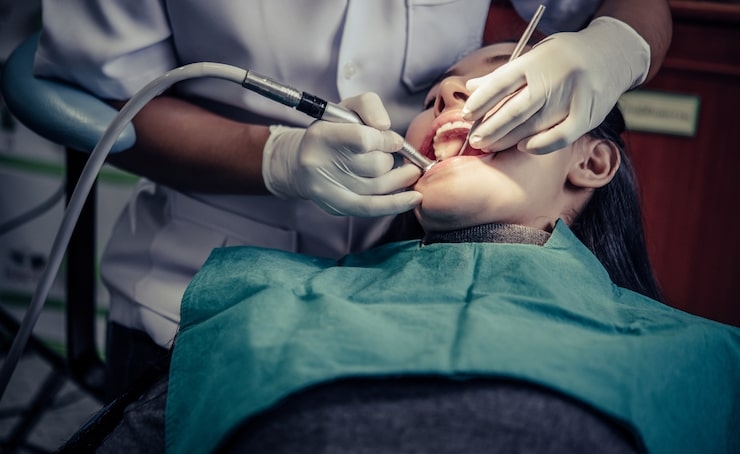
Baby teeth may be temporary, but they still play an important role in a child's health and development. An untreated cavity can grow deeper, cause pain or infection, and sometimes affect the developing permanent tooth underneath. That is why parents often turn to a pediatric dentist in Burlington when they notice a dark spot, sensitivity, or a cavity in a child's baby tooth.
Baby Teeth Are Temporary, But They Still Matter
It is easy to think, “That tooth will fall out anyway.” The problem is that baby teeth are meant to stay in the mouth until the right time. They help children chew food, speak clearly, and maintain space for the permanent teeth developing beneath them.
A cavity does not stop growing just because a tooth is temporary. As decay moves deeper into the tooth, it can reach the pulp, the soft area containing nerves and blood vessels. The American Academy of Pediatric Dentistry recommends treating decay based on the condition of the tooth and the health of the pulp, rather than simply waiting for the tooth to fall out.
The Cavity Can Get Bigger
Early decay may not bother a child at all. That can make it tempting to wait, especially if the tooth looks fine from the outside.
Yet tooth decay can continue beneath the surface. As it becomes deeper, a child may start complaining about sensitivity or pain when eating. Deep decay can also cause inflammation inside the tooth, and treatment becomes more involved once the pulp is affected.
A small cavity can sometimes be treated with a simple restoration. A much deeper cavity may require pulp treatment or another approach to keep the tooth healthy.
Pain May Not Be the First Warning
Parents should not assume a cavity is harmless just because their child says nothing hurts. Children can have dental decay without obvious symptoms, particularly in the early stages.
Later signs may include:
-
Pain while eating or drinking
-
Sensitivity to hot or cold foods
-
Swelling around the tooth
-
A visible hole or dark area
-
Trouble chewing on one side
-
Pain that becomes worse at night
A child who suddenly refuses certain foods may also be trying to avoid discomfort without knowing how to explain it.
What Happens When Decay Reaches the Pulp?
The pulp sits inside the tooth beneath the hard outer layers. Deep decay can irritate or damage this tissue. AAPD guidance explains that treatment depends on the condition of the pulp, ranging from vital pulp therapy for a tooth that can still be maintained to non-vital pulp treatment when the pulp has become irreversibly inflamed or has died.
That does not mean every deep cavity requires the same treatment. A dentist may recommend an indirect pulp treatment, pulpotomy, pulpectomy, restoration, or another option based on the child's symptoms and examination findings.
The goal is to control the disease and keep the tooth healthy for as long as it is needed.
An Untreated Tooth Can Become Infected
Once decay reaches the deeper parts of a tooth, infection can develop. A child may experience swelling, tenderness, bad taste, or pain. In more serious cases, the infection can affect the tissues around the tooth.
That is one reason waiting for a baby tooth to “fall out on its own” can create a bigger problem. Prompt treatment gives the dentist more options for preserving the tooth.
Why Losing a Baby Tooth Too Early Can Matter
A baby tooth has a job to do until its permanent replacement is ready. Losing it too early can affect the space available for the developing permanent tooth.
That does not mean every early tooth loss will cause a major problem. The effect depends on the child's age, which tooth was lost, the position of nearby teeth, and the stage of dental development.
A pediatric dentist in Hudson can assess the situation and determine if the child needs monitoring or additional care after early tooth loss.
Can the Permanent Tooth Be Affected?
Deep infection in a baby tooth deserves attention because the permanent tooth is developing nearby. Dental professionals consider the developing permanent tooth when evaluating and treating serious problems in primary teeth.
The AAPD's current pulp-therapy guidance emphasizes assessing the value of the affected baby tooth, its ability to be restored, and possible alternatives before choosing treatment.
That is another reason a cavity should not be ignored simply because the tooth is temporary.
Treatment Does Not Always Mean Removing the Tooth
Parents sometimes hear “deep cavity” and immediately worry that their child will need an extraction. That is not always the case.
Treatment depends on how much healthy tooth structure remains and how far the decay has progressed. Depending on the diagnosis, a dentist may use a restoration or pulp therapy to keep the tooth in place. AAPD guidelines list several pulp-treatment options for primary teeth with deep decay, including indirect pulp treatment and pulpotomy for selected teeth with normal pulp or reversible inflammation.
The earlier the cavity is assessed, the easier it may be to manage.
What Parents Can Do at Home
Good daily habits remain important after treatment, and they also help reduce the chance of new cavities.
A simple routine can make a real difference:
-
Brush your child's teeth twice each day using an age-appropriate amount of fluoride toothpaste.
-
Help younger children brush instead of expecting them to do it alone.
-
Limit frequent sugary snacks and drinks.
-
Encourage water between meals.
-
Keep regular dental visits based on your child's individual needs.
Pediatric dental care is not only about fixing cavities. Current AAPD guidance supports prevention and risk-based care to reduce the chances of decay returning.
Do Not Wait for the Tooth to Fall Out
Baby teeth have a limited lifespan, but “temporary” does not mean unimportant. An untreated cavity can progress from a small area of decay to deeper inflammation, infection, pain, and potentially early tooth loss.
Getting the tooth checked early can make treatment simpler and help protect your child's developing smile. If you have noticed a cavity, dark spot, sensitivity, or swelling, talking to a pediatric dentist in Burlington is a much better option than simply waiting for the baby tooth to disappear. A little attention now can prevent a much harder dental problem later.
- Goth Lifestyle
- Fashion & Style
- Music & Bands
- Art & Photography
- Creative Writing & Poetry
- Events & Scene
- Occult & Spirituality
- DIY & Tutorials
- Beauty & Self-Care
- Relationships & Dating
- Gaming & Media
- Tech & Gadgets
- Body Art & Piercings
- Underground Culture
- Spotlights & Interviews
- Travel & Places
- Lifestyle & Daily Life
- Fitness & Health
- Travel & Adventure
- Books & Literature
- Tech & Gaming
- Movies & TV
- Food & Drinks
- Humor & Memes
- Pets & Animals
- General Arts & Crafts

 English
 Arabic
 French
 Spanish
 Portuguese
 Turkish
 Dutch
Dutch
 Italiano
 Russian
 Romaian
 Portuguese (Brazil)
 Greek
Greek