


Food Ingredient Wholesalers: A Guide to Sourcing Quality Ingredients
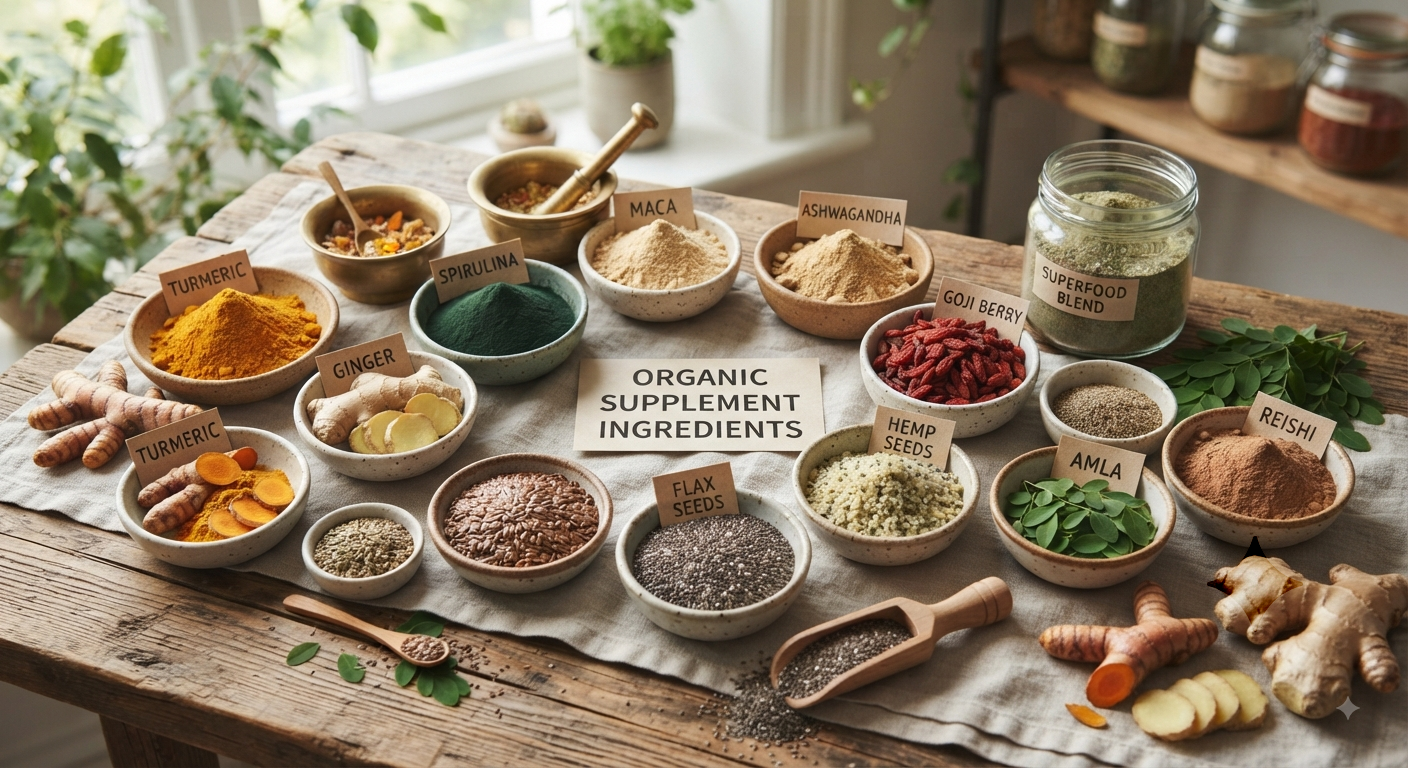
Food manufacturers, bakeries, beverage companies, restaurants, and food processing businesses often require ingredients in large quantities. Working with reliable food ingredient wholesalers can simplify procurement while helping businesses maintain consistent product quality and supply.
Wholesalers connect manufacturers and food businesses with a broad range of ingredients, including sweeteners, proteins, starches, oils, flavors, colors, preservatives, vitamins, minerals, and functional ingredients. By purchasing products in bulk, businesses can manage their ingredient requirements more efficiently and plan their production schedules with greater confidence.
What Are Food Ingredient Wholesalers?
Food ingredient wholesalers are suppliers that purchase, store, and distribute food ingredients in commercial quantities. They typically serve businesses rather than individual consumers.
Depending on their product portfolio, wholesalers may supply ingredients to food manufacturers, beverage producers, bakeries, confectionery companies, nutritional product manufacturers, and other commercial operations.
Their role can extend beyond simply selling ingredients. Many wholesalers provide product specifications, documentation, packaging options, technical information, and assistance with sourcing particular materials.
Why Businesses Work With Food Ingredient Wholesalers
Bulk ingredient sourcing can provide several practical advantages for food businesses.
Bulk Purchasing and Supply Planning
Wholesale purchasing allows manufacturers to order ingredients according to their production requirements. Buying in larger quantities may also simplify procurement and reduce the number of individual supplier transactions.
Reliable supply planning is particularly important for manufacturers operating continuous or high-volume production lines.
Wide Range of Ingredients
Many food ingredient wholesalers maintain extensive product catalogs. A business may be able to source multiple ingredients from one supplier instead of managing separate relationships for every raw material.
Common ingredient categories include:
- Starches and carbohydrates
- Plant-based proteins
- Food oils and fats
- Sweeteners
- Fibers
- Flavors and colors
- Emulsifiers and stabilizers
- Vitamins and minerals
- Preservatives
- Functional food ingredients
The availability of specific ingredients depends on the wholesaler and its market focus.
Quality Is Important When Choosing a Wholesale Supplier
Ingredient quality can directly affect the taste, texture, appearance, stability, and consistency of finished food products. For this reason, businesses should carefully evaluate suppliers before establishing a long-term purchasing relationship.
Product Specifications
Manufacturers should review technical specifications before purchasing ingredients. Information may include composition, physical characteristics, application recommendations, storage requirements, and shelf life.
Certifications and Documentation
Depending on the application and market, businesses may require documentation such as certificates of analysis, allergen information, safety documentation, or certifications related to quality and production practices.
A supplier should be able to provide appropriate documentation for the ingredients being supplied.
Food Ingredient Wholesalers and Supply Chain Management
Supply chain reliability is another important consideration. Delayed ingredients can interrupt production schedules and create additional operational costs.
Businesses should evaluate supplier lead times, inventory availability, minimum order quantities, packaging formats, shipping arrangements, and communication processes.
Consistent Ingredient Supply
Consistency is especially important when a particular ingredient is used repeatedly in a standardized formulation. Changes in ingredient characteristics can potentially affect the finished product.
Establishing clear specifications and maintaining communication with suppliers can help businesses manage these risks.
How to Select Food Ingredient Wholesalers
Choosing the right supplier requires more than comparing prices. Businesses should consider several factors before placing regular orders.
Evaluate Product Quality
Check product specifications, testing information, storage requirements, and relevant certifications. Make sure the ingredient is appropriate for its intended application.
Compare Pricing and Order Requirements
Compare bulk pricing, minimum order quantities, packaging sizes, shipping costs, and payment terms. The lowest listed price does not always represent the lowest overall procurement cost.
Check Reliability
Look for suppliers with clear communication, dependable delivery schedules, and established quality-control processes.
Consider Technical Support
Some ingredients require specific handling or formulation knowledge. Access to technical information can be valuable when developing or modifying food products.
Trends Influencing Food Ingredient Sourcing
The food ingredient market continues to evolve as manufacturers respond to changing consumer preferences. Demand for plant-based ingredients, clean-label formulations, natural flavors, functional ingredients, and products with specific nutritional characteristics has increased interest in specialized ingredient sourcing.
Manufacturers are also paying greater attention to traceability, transparency, sustainability, and supply chain resilience.
These trends can influence which food ingredient wholesalers businesses choose and the types of products they seek.
Conclusion
Food ingredient wholesalers play an important role in the food manufacturing supply chain by providing businesses with ingredients in commercial quantities. From sweeteners and starches to proteins, fibers, flavors, and functional ingredients, wholesalers can help manufacturers manage procurement and production requirements.
When selecting a supplier, businesses should look beyond price and consider product quality, documentation, certifications, availability, delivery reliability, technical support, and overall supply chain capabilities.
A carefully selected wholesale partner can make ingredient procurement more organized and predictable, helping food businesses maintain consistent production and product quality over the long term.
- Goth Lifestyle
- Fashion & Style
- Music & Bands
- Art & Photography
- Creative Writing & Poetry
- Events & Scene
- Occult & Spirituality
- DIY & Tutorials
- Beauty & Self-Care
- Relationships & Dating
- Gaming & Media
- Tech & Gadgets
- Body Art & Piercings
- Underground Culture
- Spotlights & Interviews
- Travel & Places
- Lifestyle & Daily Life
- Fitness & Health
- Travel & Adventure
- Books & Literature
- Tech & Gaming
- Movies & TV
- Food & Drinks
- Humor & Memes
- Pets & Animals
- General Arts & Crafts

 English
 Arabic
 French
 Spanish
 Portuguese
 Deutsch
 Turkish
 Dutch
Dutch
 Italiano
 Russian
 Romaian
 Greek
Greek