


Gardening Gains Momentum as Green Living and Urban Farming Reshape Consumer Habits
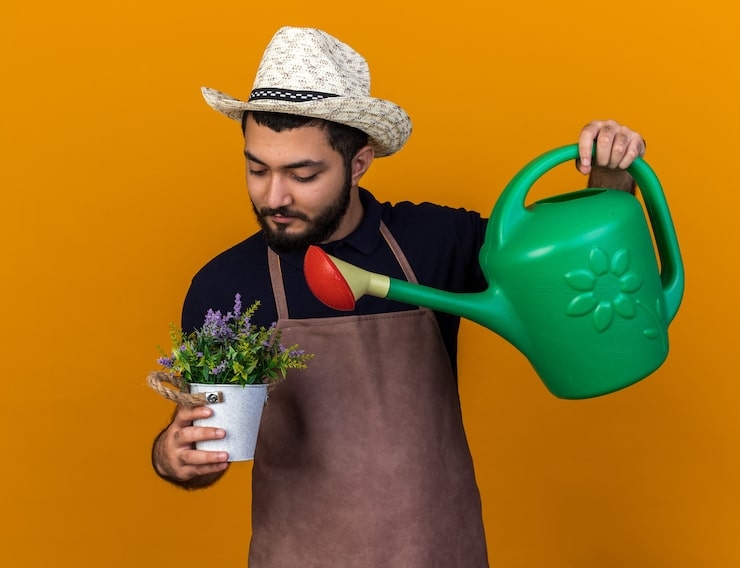
Gardening is increasingly becoming more than a leisure activity. Across households, communities, commercial properties, and urban spaces, people are turning to plants to improve surroundings, grow fresh produce, and create healthier living environments. Growing awareness of green spaces, interest in home cultivation, urbanization, and the popularity of do-it-yourself gardening are encouraging consumers to invest in plants, seeds, tools, irrigation products, fertilizers, planters, and outdoor décor.
The Global Gardening Market was valued at approximately USD 120 billion in 2024 and is projected to reach USD 150 billion by 2030, expanding at a CAGR of around 5% during 2025–2030. The Global Gardening industry report identifies investments in public gardens, home gardening, urban farming, green-space awareness, smart gardening technologies, and DIY culture as major forces supporting this growth. North America leads the global landscape, while residential gardening remains the largest application segment.
Home Gardening Becomes a Lifestyle Activity
The growing interest in home gardening is one of the strongest factors supporting the sector. Consumers are increasingly using balconies, patios, backyards, rooftops, and other available spaces to cultivate flowers, herbs, vegetables, fruits, and ornamental plants.
Gardening is also increasingly associated with wellness and recreation. People can use gardening as a way to spend time outdoors while improving the appearance of their homes. The trend is particularly visible among younger consumers, including millennials and Gen Z, who are embracing DIY gardening and experimenting with indoor plants, edible gardens, and decorative arrangements.
This shift is broadening demand beyond traditional garden owners and introducing gardening products to a wider consumer base.
Urban Agriculture Creates New Possibilities
Rapid urbanization is creating greater interest in growing food closer to where people live. Urban gardening allows residents to cultivate vegetables, herbs, and other crops despite limited access to conventional agricultural land.
The FAO’s urban and peri-urban agriculture resources emphasize that urban agriculture can contribute to household food security, fresh-food access, local economic activity, and more sustainable urban environments. This reinforces the growing role of gardening in cities, where small-scale cultivation can complement broader food systems.
Container gardening, rooftop cultivation, community gardens, and other compact approaches can make productive gardening possible even in densely populated locations.
Green Spaces Gain Greater Importance
Governments, businesses, and communities are increasingly recognizing the importance of green spaces in urban environments. Public parks, landscaped areas, gardens, and rooftop greenery can improve the visual appeal of cities while providing recreational and environmental benefits.
The FAO highlights that urban green resources can provide shade, support biodiversity, improve air quality, encourage physical activity, and contribute to physical and psychological well-being. Its urban and peri-urban forestry guidance also emphasizes the role of green infrastructure in helping cities respond to challenges such as heat, pollution, limited recreation space, and stormwater runoff.
These benefits are encouraging investment in landscaping and public-access gardens, creating opportunities for gardening suppliers and service providers.
Flowers and Ornamental Plants Lead Demand
Flowers and ornamental plants represent the leading product category, accounting for more than 30% of the global industry. Their popularity is supported by residential landscaping, commercial beautification, public spaces, and seasonal celebrations.
Consumers use ornamental plants to create visually appealing environments, while businesses incorporate greenery into offices, hotels, retail properties, restaurants, and other commercial locations. Demand also extends to indoor plants, which are increasingly being used as decorative elements in apartments and workplaces.
Nurseries and online retailers are consequently expanding their plant selections to include unusual varieties, decorative foliage, bonsais, succulents, and other specialty plants.
Residential Gardening Holds the Largest Share
Residential gardening accounts for more than 45% of the global industry, making it the leading application. Homeowners are investing in plants, seeds, tools, pots, planters, fertilizers, outdoor furniture, and decorative products to enhance their living spaces.
Edible gardening is also contributing to this growth. Consumers are increasingly cultivating vegetables, herbs, and fruits at home, combining the recreational aspects of gardening with the practical benefit of producing food.
The trend toward smaller living spaces has not eliminated gardening demand; instead, it is encouraging more compact solutions such as container gardens, vertical systems, indoor plants, and balcony cultivation.
Sustainability Shapes Gardening Practices
Environmental awareness is encouraging gardeners to adopt more sustainable approaches. Organic fertilizers, chemical-free cultivation, composting, drought-resistant plants, rainwater collection, and efficient irrigation are gaining attention.
Sustainable gardening is particularly relevant in water-stressed areas, where conventional landscaping can require substantial irrigation. Smart irrigation systems can help control water delivery according to plant requirements and local conditions.
FAO resources on microgardening also demonstrate how small-scale cultivation can integrate environmentally friendly practices such as rainwater harvesting and household-waste recycling for compost production. FAO’s microgardening guidance illustrates how gardening can be adapted to locations where space and water are limited.
Smart Gardening Technology Gains Traction
Technology is transforming traditional gardening. Smart irrigation controllers, automated lawnmowers, connected sensors, robotic tools, and garden-monitoring systems are helping consumers reduce manual effort and manage plants more efficiently.
Recent product development is also reflecting this trend. Robotic lawnmowers, for example, can automate lawn maintenance and navigate garden spaces with increasingly sophisticated control systems. Such products appeal to consumers who want attractive outdoor spaces without spending as much time on routine maintenance.
The expansion of e-commerce is further supporting this trend by making specialized gardening products and plant varieties easier to discover and purchase.
Climate Variability Creates Challenges
Changing weather conditions remain an important challenge for gardeners. Droughts, unexpected frosts, changing growing seasons, and water scarcity can affect plant selection and gardening schedules.
The need to adapt to changing environmental conditions can increase costs because consumers may require protective structures, greenhouses, efficient irrigation systems, or climate-resilient plants. Gardeners are therefore increasingly seeking products that help them maintain landscapes under variable weather conditions.
This challenge simultaneously creates opportunities for suppliers of drought-tolerant plants, smart irrigation systems, protective gardening structures, and other climate-adaptive solutions.
North America Remains a Leading Region
North America accounts for approximately 35.3% of the global industry, making it the leading regional contributor. A strong gardening culture, high participation in household gardening, demand for outdoor spaces, and consumer interest in innovative products support the region's position.
The United States represents the largest contributor within North America, with gardening deeply embedded in residential and commercial lifestyles. Established retail networks, garden centers, home-improvement stores, nurseries, and e-commerce platforms provide consumers with extensive access to gardening products.
Outlook Through 2030
Gardening is evolving alongside changing lifestyles, urban development, sustainability priorities, and consumer interest in healthier and greener environments. The industry is projected to rise from USD 120 billion in 2024 to USD 150 billion by 2030, reflecting continued demand across residential, commercial, and urban applications.
Flowers and ornamental plants are expected to remain a major category, while residential gardening will continue to represent the largest application. At the same time, smart gardening, sustainable practices, specialty plants, e-commerce, urban cultivation, and water-efficient solutions will create new avenues for innovation.
As consumers and cities increasingly recognize the recreational, environmental, aesthetic, and food-production benefits of gardening, the sector is positioned to remain an important part of the global transition toward greener living spaces.
- Goth Lifestyle
- Fashion & Style
- Music & Bands
- Art & Photography
- Creative Writing & Poetry
- Events & Scene
- Occult & Spirituality
- DIY & Tutorials
- Beauty & Self-Care
- Relationships & Dating
- Gaming & Media
- Tech & Gadgets
- Body Art & Piercings
- Underground Culture
- Spotlights & Interviews
- Travel & Places
- Lifestyle & Daily Life
- Fitness & Health
- Travel & Adventure
- Books & Literature
- Tech & Gaming
- Movies & TV
- Food & Drinks
- Humor & Memes
- Pets & Animals
- General Arts & Crafts
 English
 Arabic
 French
 Spanish
 Portuguese
 Deutsch
 Turkish
 Dutch
Dutch
 Italiano
 Russian
 Romaian
 Portuguese (Brazil)
 Greek
Greek