


Why Accurate Cavity Design Matters in Foam Cube Production
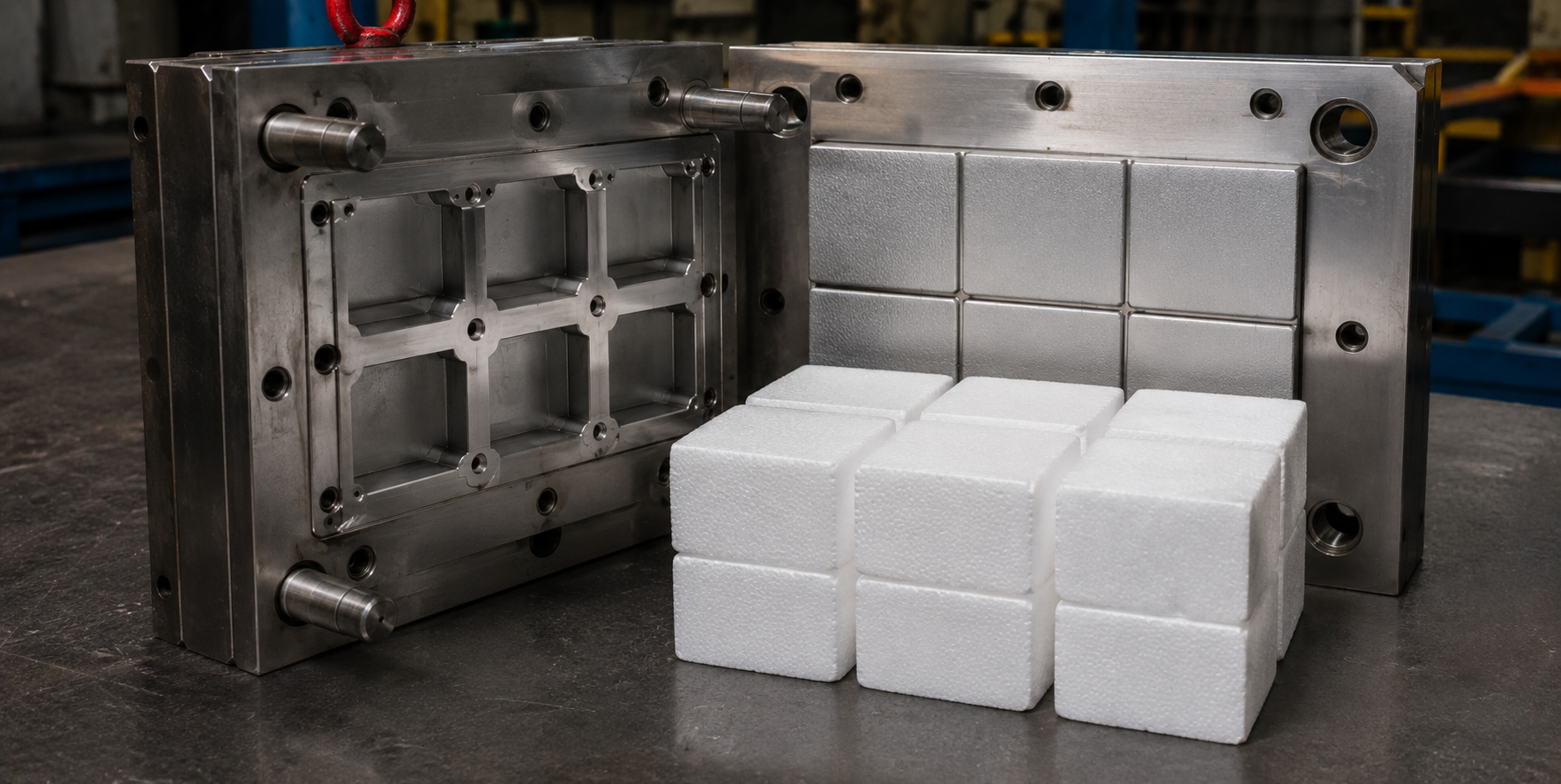
Concrete quality control is a fundamental requirement across civil engineering and building projects. Ensuring that structural mixes achieve their required compressive strength involves meticulous sampling, curing, and testing protocols. Historically, heavy steel or cast iron moulds dominated site testing procedures. However, the shift toward lightweight, high density expanded polystyrene solutions has streamlined sampling operations across commercial construction, infrastructure development, and material testing facilities.
High density disposable sampling containers eliminate many of the logistical bottlenecks traditionally associated with metal equipment. Heavy steel moulds require ongoing manual maintenance, including thorough de moulding procedures, mechanical cleaning, standard oiling, and heavy transport. In contrast, lightweight single use sampling options allow field engineers and site technicians to prepare, cast, and store concrete specimens with greater speed and minimal physical strain.
When selecting sampling equipment for site compliance, high density polystyrene cube moulds offer an efficient, accurate, and cost effective alternative to traditional heavy steel equipment. Manufactured to strict dimensional tolerances, these lightweight sacrificial moulds simplify specimen preparation while helping maintain compliance with standards such as BS EN 12390-1. By eliminating the need for demoulding tools and oil cleaning agents, site operations become cleaner, faster, and significantly safer for field staff.
Technical Specifications and International Compliance Standards
Material testing equipment must conform to national and international regulatory frameworks to guarantee that compressive strength test results are valid. Expanded polystyrene (EPS) cube moulds are precision moulded to meet rigid dimensional constraints, ensuring that specimens exhibit perfectly flat faces and orthogonal angles. Standard dimensions typically include 100mm and 150mm sizes to cater to different aggregate sizes and testing mandates.
Compliance with standards like BS EN 12390-1 and ASTM C192 requires high shape retention under internal hydraulic pressure during filling and compaction. Standard metal moulds rely on rigid bolted walls to maintain shape; high grade EPS moulds use high density bead structures that resist lateral deflection under tamping or vibration. This dimensional stability ensures that the resulting hardened concrete blocks undergo uniform stress distribution during crushing tests.
Thermal properties represent another major technical advantage of expanded polystyrene. Concrete hydration generates exothermic heat during the initial curing phase. EPS acts as an insulating blanket, shielding fresh specimens from sudden ambient temperature swings and frost damage during site storage. This natural thermal stability promotes optimal cement hydration, ensuring that early age compressive strength development reflects true mix capability.
Economic and Operational Advantages for Field Engineers
Switching from heavy steel frames to lightweight sampling moulds delivers clear operational savings. Moving multiple traditional steel moulds across active construction sites involves significant manual handling, increasing the risk of workplace injuries and back strain. Disposable EPS units weigh a fraction of metal alternatives, allowing technicians to transport multiple sampling units across large sites without heavy lifting gear.
From a logistics perspective, single use options resolve return trip transport burdens. Field crews no longer need to haul empty steel frames back to site offices or testing labs. The compact, nestable design of EPS units maximises storage space in site vehicles and site offices, reducing transport costs across large project lifecycles.
Environmental Considerations and Recycling Protocols
Modern site practices place high emphasis on sustainability and waste reduction. While expanded polystyrene is single use in concrete casting applications, it is 100% recyclable. Responsible contractors establish dedicated recycling workflows to process stripped polystyrene shells alongside standard site packaging materials.
Practical Casting and Demoulding Procedures
Achieving accurate concrete test results relies on correct casting techniques, regardless of the mould material used. Field technicians should follow a systematic approach when using disposable EPS units to ensure consistency and compliance with testing regulations.
First, ensure the EPS unit rests on a flat, stable surface free of debris. Although EPS moulds do not require releasing oil, checking that the internal surfaces are clean and free of dust is essential. Fill the mould in uniform layers in accordance with standard testing guidelines, typically using two or three equal lifts depending on the specimen size.
Compact each layer thoroughly using a standard tamping rod or vibrating table, taking care not to gouge the internal polystyrene walls. Strike off excess concrete level with the top edge using a steel float or straightedge. Secure the fitted lid or cover the top surface with plastic sheeting to prevent moisture loss during the initial setting phase. Store the sample in a sheltered, temperature controlled environment on site before transporting it to the testing facility for stripping and water tank curing.
Storage, Packaging, and Logistics Management
Effective site management depends on maintaining adequate supplies of testing consumables without cluttering site storage areas. Disposable EPS moulds are supplied in compact bulk packaging that protects the units during transport and on site storage. Their lightweight design makes handling easy for warehouse personnel and field crews.
Site stores should keep these sampling tools in clean, dry conditions away from open flames, high heat sources, or solvent chemicals that could degrade the material. Because EPS does not absorb moisture or rust, it maintains its structural integrity even when stored in high humidity environments.
For large scale infra tructure projects requiring hundreds of concrete samples per week, bulk shipments of disposable moulds help maintain uninterrupted testing schedules. Reliable supply chains ensure field operations run smoothly without delays caused by missing equipment.
Comparative Analysis Polystyrene vs. Metal vs. Plastic Moulds
Selecting the right mould material involves weighing initial costs against labor requirements, durability, and operational convenience. Metal, rigid plastic, and disposable EPS each offer specific operational advantages depending on project requirements.
| Feature / Metric | High Density Polystyrene | Cast Iron / Steel | Rigid Polyurethane / Plastic |
| Weight | Ultra-Lightweight (~100g) | Very Heavy (8kg - 12kg) | Medium (1.5kg - 3kg) |
| Initial Unit Cost | Low | High | Medium to High |
| Maintenance Need | None (Single Use) | High (Cleaning, Oiling, Stripping) | Moderate (Cleaning & De moulding) |
| Thermal Insulation | Excellent | Poor | Fair |
| Demoulding Effort | Minimal (Tear Away) | High (Bolts & Mallets) | Moderate (Compressed Air/Stripping) |
| Risk of Rust/Damage | Zero Rust Risk | High Rust & Distortion Risk | Low Rust, Medium Distortion Risk |
While traditional metal moulds remain valuable for fixed central laboratories, disposable EPS moulds excel in field operations where portability, speed, and reduced labor costs are top priorities.
Quality Assurance Protocols and Lab Equipment Integration
Accurate strength testing relies on seamless integration between field sampling tools and laboratory crushing machinery. Once the concrete specimen is demoulded, its face dimensions, density, and squareness are verified before compressive testing.
Quality laboratory equipment suppliers provide integrated testing solutions that bridge the gap between field collection and laboratory analysis. Specialized equipment available via supports every stage of the material testing workflow, offering everything from slump cones and sampling tools to advanced compression testing machines.
By sourcing compliant field consumables alongside calibrated laboratory hardware, site engineers ensure complete traceability across the testing pipeline. Standardized sampling procedures combined with precise laboratory equipment produce reliable data that supports structural safety compliance across commercial, industrial, and civil projects.
Frequently Asked Questions
Do high density polystyrene moulds require release oil prior to casting?
No, polystyrene moulds do not require mold release oil or chemical agents. The non stick nature of expanded polystyrene allows the outer casing to strip cleanly away from hardened concrete without damaging the sample faces or altering hydration chemistry.
How do polystyrene moulds protect concrete samples during initial curing?
Expanded polystyrene acts as a strong thermal insulator. It protects freshly poured concrete from ambient temperature swings and extreme weather during the initial 24-hour curing phase, helping maintain stable hydration conditions.
Are polystyrene cube moulds fully compliant with international testing standards?
Yes, high quality expanded polystyrene moulds are engineered to meet the strict dimensional, squareness, and surface flatness tolerances specified in standards such as BS EN 12390-1 and ASTM C192.
How are polystyrene moulds recycled after specimen removal?
After demoulding, clean polystyrene shells can be collected, compacted, or baled using standard plastic recycling workflows. The compressed material can then be repurposed into insulation board, packaging, or other recycled plastic products.
What sizes of disposable concrete moulds are most commonly used on site?
The most common sizes are 100mm and 150mm cubic moulds. The 150mm size is standard for general site concrete testing, while 100mm moulds are often selected for mixes with smaller maximum aggregate sizes or specialized laboratory evaluations.
Conclusion
Choosing the right sampling consumables is essential for maintaining efficient site operations and reliable concrete strength testing. High density expanded polystyrene moulds provide a lightweight, compliant, and cost effective alternative to heavy metal equipment, reducing physical strain on field technicians while eliminating time consuming cleaning and maintenance routines.
Their built in thermal insulation protects early stage specimens, supporting accurate compressive strength results across all project types. When combined with fully calibrated laboratory testing systems, these modern sampling tools allow civil engineers and quality control teams to maintain high standards of structural safety and compliance.
- Goth Lifestyle
- Fashion & Style
- Music & Bands
- Art & Photography
- Creative Writing & Poetry
- Events & Scene
- Occult & Spirituality
- DIY & Tutorials
- Beauty & Self-Care
- Relationships & Dating
- Gaming & Media
- Tech & Gadgets
- Body Art & Piercings
- Underground Culture
- Spotlights & Interviews
- Travel & Places
- Lifestyle & Daily Life
- Fitness & Health
- Travel & Adventure
- Books & Literature
- Tech & Gaming
- Movies & TV
- Food & Drinks
- Humor & Memes
- Pets & Animals
- General Arts & Crafts

 English
 Arabic
 French
 Spanish
 Deutsch
 Turkish
 Dutch
Dutch
 Italiano
 Russian
 Romaian
 Portuguese (Brazil)
 Greek
Greek