


Why Your Computer Takes Too Long to Shut Down
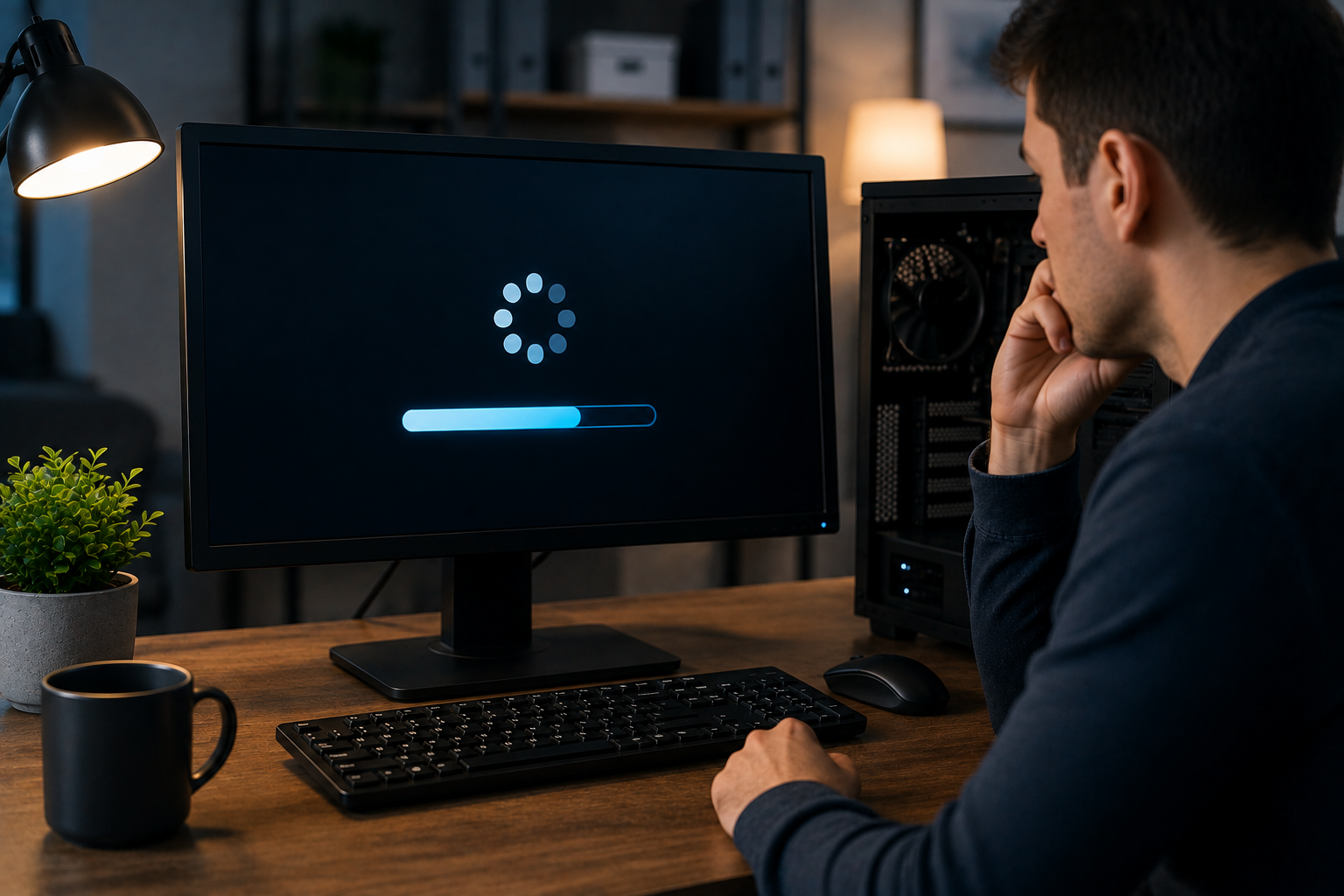
A computer that takes an unusually long time to shut down can be frustrating, especially when you are finished working and simply want to turn the system off. Instead of shutting down within a reasonable amount of time, the computer may remain on a loading screen, display a "Shutting down" message, or appear frozen for several minutes. While an occasional slow shutdown may be harmless, frequent delays can indicate an underlying software, storage, hardware, or system configuration problem.
Several factors can contribute to slow shutdowns, including too many background applications, pending updates, insufficient storage, corrupted system files, outdated drivers, malware, or failing hardware. Understanding these causes can help you troubleshoot the problem effectively. If your computer continues taking too long to shut down, professional computer repair Albany, laptop repair Albany, and computer repair Albany NY services can help identify the root cause.
What Happens When a Computer Shuts Down?
When you select the shutdown option, the operating system performs several tasks before turning off the computer. It closes applications, stops background services, saves necessary system information, disconnects devices, and completes certain maintenance processes.
If one of these processes becomes delayed, the entire shutdown procedure can take longer.
For example, the system may be waiting for:
- An application to close
- A background service to finish
- An update to install
- A file operation to complete
- A device to disconnect
- A system process to respond
A slow shutdown doesn't necessarily mean the computer is damaged, but repeated delays should be investigated.
1. Too Many Background Applications
One of the most common causes of slow shutdowns is having many programs running in the background.
Applications may continue performing tasks even after you stop actively using them. Examples include:
- Cloud synchronization
- Antivirus scans
- Backup programs
- Messaging applications
- Software updaters
- Media applications
When you shut down the computer, the operating system must close these processes. If one application takes too long to respond, shutdown may be delayed.
Before shutting down, close unnecessary applications and see whether the shutdown process improves.
2. Pending Operating System Updates
Operating system updates can sometimes make shutdowns take longer because the system may need to install or configure updates.
You may see messages such as:
- Installing updates
- Preparing Windows
- Working on updates
- Do not turn off your computer
Avoid manually powering off the computer while an important update is being installed unless there is a serious problem.
If shutdowns remain slow after the update is complete, check whether additional updates are available.
3. Insufficient Storage Space
A nearly full system drive can affect overall computer performance, including startup and shutdown times.
When storage space becomes very limited, the operating system may have less room for temporary files, updates, caching, and other system operations.
Check your available storage and safely remove unnecessary files.
Consider clearing:
- Temporary files
- Old downloads
- Unused applications
- Duplicate files
- Unnecessary installation packages
Always be careful when deleting files from system directories.
4. Corrupted System Files
Operating system files can become corrupted because of failed updates, malware, improper shutdowns, storage problems, or other system errors.
Corrupted files can cause unusual behavior, including:
- Slow startup
- Slow shutdown
- Application crashes
- System freezes
- Error messages
Built-in system repair tools may be able to detect and repair damaged files.
If corruption repeatedly returns, the underlying cause should be investigated rather than repeatedly repairing the same symptoms.
5. Outdated or Faulty Drivers
Drivers allow the operating system to communicate with hardware.
A problematic driver can prevent the system from shutting down normally.
This can involve:
- Graphics drivers
- Network adapters
- Storage controllers
- USB devices
- Audio hardware
- Chipset components
If your computer began shutting down slowly after installing a new driver or hardware component, investigate that recent change.
Use compatible drivers from reliable manufacturer sources.
6. External Devices Can Delay Shutdown
USB devices and other connected hardware can occasionally contribute to shutdown problems.
Examples include:
- External hard drives
- USB hubs
- Printers
- Docking stations
- Smartphones
- Specialized peripherals
If your computer shuts down normally when external devices are disconnected but becomes slow when they are connected, test the devices individually.
This can help identify whether a particular peripheral or driver is contributing to the problem.
7. Malware Can Slow System Processes
Malware and unwanted software can consume system resources and interfere with normal operating system processes.
A slow shutdown accompanied by other unusual symptoms may justify a security scan.
Watch for:
- Unexpected pop-ups
- Unknown programs
- Browser changes
- Excessive CPU usage
- Unusual network activity
- Frequent performance problems
Use reputable security software and avoid questionable programs that claim to fix system problems instantly.
8. Failing Storage Hardware
A failing hard drive or SSD can cause the computer to take longer than normal to perform system operations.
Possible warning signs include:
- Slow file access
- Corrupted files
- Frequent freezing
- Application crashes
- Startup problems
- Unusual hard drive noises
- Slow shutdowns
If your computer has several of these symptoms, back up important data as soon as possible.
A failing storage drive can eventually become inaccessible, so delaying diagnosis may increase the risk of data loss.
9. Too Many Startup and Background Services
Although startup programs mainly affect boot time, some applications also continue running in the background throughout the session.
The more unnecessary services running, the more work the operating system may have to complete when shutting down.
Review startup applications and disable unnecessary programs when appropriate.
Don't disable essential security or system services simply because you don't recognize them.
If you're unsure about a process, professional assistance is safer than randomly changing system settings.
10. Check Whether the Computer Is Actually Frozen
Sometimes a slow shutdown is actually a system freeze.
If the screen remains unchanged for a long period and the computer doesn't respond to normal commands, there may be a broader stability problem.
Pay attention to whether you also experience:
- Random freezes
- Blue screen errors
- Unexpected restarts
- Application crashes
- Slow performance
If these problems occur alongside slow shutdowns, the issue may involve hardware or operating system instability.
How to Troubleshoot a Slow Shutdown
Start with simple troubleshooting steps.
Close Unnecessary Programs
Close applications before selecting shutdown and see whether the computer turns off more quickly.
Restart the Computer
A restart can clear temporary processes and resolve minor software problems.
Install Important Updates
Make sure your operating system and necessary drivers are properly updated.
Check Storage Space
Maintain adequate free space on the system drive.
Scan for Malware
Run a security scan if you notice suspicious activity.
Disconnect External Devices
Temporarily remove nonessential USB devices and determine whether shutdown performance changes.
Monitor the Pattern
Take note of when slow shutdowns occur. If they happen after using a particular application or device, that information can help identify the cause.
When Should You Contact a Professional?
If your computer consistently takes several minutes to shut down, professional diagnostics may be worthwhile.
Seek assistance if:
- Shutdown times continue increasing.
- The computer freezes during shutdown.
- You see repeated system errors.
- Files become corrupted.
- The system has storage problems.
- The computer overheats.
- Other performance issues occur.
- Recent hardware changes caused the problem.
Professional computer repair Albany technicians can examine software, drivers, storage health, system files, and hardware performance.
For laptop users, laptop repair Albany specialists can also inspect internal storage, cooling systems, batteries, and other components that may contribute to instability.
If you're looking for computer repair Albany NY, professional troubleshooting can help identify whether the slow shutdown is caused by software configuration, hardware problems, or a combination of factors.
How to Prevent Slow Shutdowns
Good maintenance can help keep shutdown times reasonable.
- Keep your operating system updated.
- Remove applications you no longer use.
- Maintain sufficient storage space.
- Keep drivers compatible and updated.
- Avoid suspicious software.
- Perform regular security scans.
- Disconnect unnecessary external devices.
- Maintain regular backups.
- Monitor recurring performance problems.
It's also important to avoid repeatedly forcing the computer to power off unless absolutely necessary. Forced shutdowns can result in lost data or file corruption.
Conclusion
A computer that takes too long to shut down may be dealing with excessive background applications, pending updates, insufficient storage, corrupted system files, driver problems, external-device conflicts, malware, or failing hardware. The problem is often fixable once the underlying cause is identified.
Start by closing unnecessary applications, checking available storage, installing important updates, testing external devices, and monitoring system behavior. If slow shutdowns occur alongside freezing, crashes, corrupted files, or unusual hardware behavior, don't ignore the warning signs.
Whether you need computer repair Albany, laptop repair Albany, or computer repair Albany NY, professional technicians can diagnose the problem and recommend the appropriate solution. Addressing slow shutdowns early can improve system performance, protect your data, and prevent a small software or hardware issue from developing into a more serious computer problem.
- Goth Lifestyle
- Fashion & Style
- Music & Bands
- Art & Photography
- Creative Writing & Poetry
- Events & Scene
- Occult & Spirituality
- DIY & Tutorials
- Beauty & Self-Care
- Relationships & Dating
- Gaming & Media
- Tech & Gadgets
- Body Art & Piercings
- Underground Culture
- Spotlights & Interviews
- Travel & Places
- Lifestyle & Daily Life
- Fitness & Health
- Travel & Adventure
- Books & Literature
- Tech & Gaming
- Movies & TV
- Food & Drinks
- Humor & Memes
- Pets & Animals
- General Arts & Crafts

 English
 Arabic
 French
 Spanish
 Deutsch
 Turkish
 Dutch
Dutch
 Italiano
 Russian
 Romaian
 Portuguese (Brazil)
 Greek
Greek