


Renovation Ideas for Creating More Private Spaces at Home
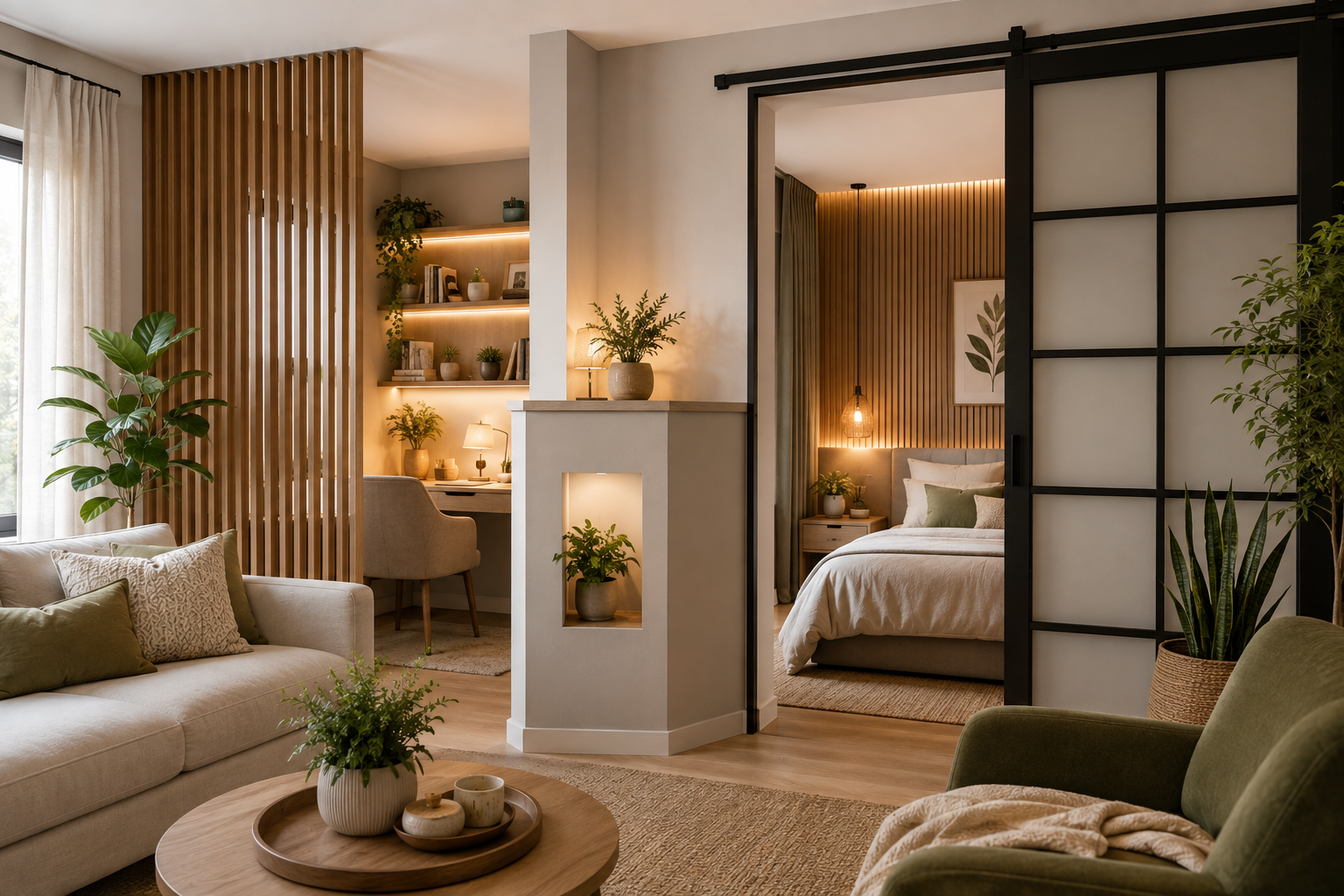
A comfortable home should provide spaces where family members can spend time together as well as areas where they can enjoy peace, quiet, and privacy. As households become busier, having a private place to work, relax, study, or unwind can make everyday life much easier. Fortunately, creating more privacy does not always require adding new rooms or making major structural changes. Smart renovation decisions involving layouts, doors, lighting, sound control, storage, and room design can create private areas within the existing footprint of a home. Whether you are considering basement renovations in Regina, planning bathroom renovations in Regina, or improving privacy throughout your property, Build-it right can help develop practical solutions that balance privacy, functionality, and style.
Assess Where Privacy Is Needed
Before beginning a renovation, identify which areas of your home currently lack privacy. Different households have different needs, so the most effective solution depends on how each room is being used.
Consider areas where you may need:
- A quiet workspace
- A private bedroom
- A peaceful reading area
- A secluded relaxation space
- Better bathroom privacy
- A separate guest area
- A quieter children's study zone
Observe how sound, foot traffic, lighting, and room layouts affect privacy. This can help determine which improvements will make the biggest difference.
Create Separate Zones Within Open Rooms
Open-concept layouts can make homes feel spacious, but they may offer limited privacy. Fortunately, large rooms can often be divided into functional zones without completely closing them off.
Consider using:
- Decorative room dividers
- Open shelving
- Furniture placement
- Sliding panels
- Curtains
- Partial partitions
These solutions can visually separate areas while maintaining a sense of openness.
Install Sliding or Pocket Doors
Traditional hinged doors require clearance and may not be suitable for every layout. Sliding or pocket doors can provide privacy while using less floor space.
They can work well for:
- Home offices
- Bathrooms
- Bedrooms
- Laundry rooms
- Guest spaces
Pocket doors disappear into the wall when open, while sliding doors can become attractive design elements.
Before installing a pocket door, check the wall for plumbing, electrical wiring, and structural components.
Create a Dedicated Home Office
Working from a shared living area can make it difficult to concentrate. A dedicated home office can provide a quiet environment without requiring a large addition.
A small office can be created in:
- An unused corner
- A spare bedroom
- A basement
- A wide hallway
- A section of a living room
Use a compact desk, built-in storage, and appropriate lighting to create a functional workspace.
Use Built-In Storage as a Privacy Feature
Storage can do more than organize belongings. It can also help separate different areas of a home.
A floor-to-ceiling shelving unit can act as a subtle room divider while providing useful storage.
Other options include:
- Built-in cabinets
- Open shelving
- Media walls
- Bookcases
- Storage partitions
Combining storage and privacy allows homeowners to improve two aspects of the home with one renovation feature.
Improve Bedroom Privacy
Bedrooms should provide a sense of personal space and relaxation. Privacy can be improved through both layout and material choices.
Consider:
- Solid interior doors
- Better door seals
- Blackout window treatments
- Strategic furniture placement
- Sound-reducing materials
- Built-in storage
Avoid placing bedrooms directly beside high-traffic areas when possible. If the existing layout cannot be changed, sound-control improvements can help reduce disturbances.
Create a More Private Primary Bedroom
The primary bedroom can benefit from thoughtful separation from busy household areas.
Where possible, consider creating a transition area between the bedroom and public spaces. A short hallway, closet, dressing area, or storage zone can provide an additional layer of separation.
Even without structural changes, furniture placement and doors can help create a stronger boundary.
Improve Bathroom Privacy and Comfort
Bathrooms require both visual and practical privacy. During bathroom renovations in Regina, homeowners can improve privacy while creating a more modern and comfortable environment.
Potential improvements include:
- Frosted or textured glass
- Privacy window coverings
- Better door systems
- Separate shower areas
- Improved storage
- Thoughtful fixture placement
A well-planned bathroom can provide privacy without feeling closed in.
Use Frosted Glass Strategically
Glass can bring natural light into a room while still maintaining privacy. Frosted or textured glass is particularly useful for bathrooms, offices, and entry areas.
Possible applications include:
- Bathroom windows
- Shower enclosures
- Interior doors
- Office partitions
This approach allows light to pass through while reducing direct visibility.
Improve Sound Control
Visual privacy is only one part of creating a private space. Sound can travel easily through open layouts, thin walls, doors, and floors.
Renovation strategies may include:
- Adding insulation where appropriate
- Using solid-core doors
- Improving door seals
- Installing acoustic materials
- Adding rugs or soft furnishings
- Separating noisy and quiet areas
Bedrooms, offices, media rooms, and study areas can benefit particularly from better sound control.
Create a Quiet Basement Retreat
Basements can provide excellent opportunities for creating private areas because they are naturally separated from many main-floor activities.
During basement renovations in Regina, homeowners can create spaces such as:
- Home offices
- Reading rooms
- Guest bedrooms
- Entertainment areas
- Hobby rooms
- Fitness spaces
Good planning can allow the basement to serve as a quieter retreat while still connecting naturally to the rest of the home.
Design a Private Basement Office
A basement office can be especially useful for people who need to work or study without interruptions.
Consider incorporating:
- A dedicated desk
- Built-in storage
- Task lighting
- Sound-control features
- Comfortable flooring
- Organized cable management
Make sure the space has appropriate lighting and ventilation so it feels comfortable rather than isolated.
Create a Guest Suite
If your home frequently accommodates visitors, a private guest suite can provide comfort for both guests and household members.
Depending on available space, a guest area could include:
- A bedroom
- Storage
- A private bathroom
- A sitting area
Basements can be particularly suitable for guest accommodations when local requirements and property conditions allow.
Use Curtains and Soft Dividers
Not every privacy improvement requires construction. Curtains and fabric panels can create flexible separation between spaces.
They can be useful for:
- Home offices
- Bedrooms
- Reading areas
- Children's spaces
- Studio areas
Curtains can be opened when the space needs to feel larger and closed when privacy is required.
Create Private Children's Areas
Children may need quiet spaces for homework, reading, creative activities, or relaxation.
A private children's zone can be created with:
- Shelving
- Curtains
- Low partitions
- Built-in desks
- Storage furniture
The area should remain visible enough for household supervision while providing a sense of personal space.
Design a Quiet Reading Corner
A small reading corner can provide privacy without requiring a dedicated room.
Choose an underused corner and add:
- A comfortable chair
- A small table
- A reading lamp
- Bookshelves
- Soft furnishings
Position the area away from television zones and high-traffic pathways whenever possible.
Improve Window Privacy
Windows can provide excellent natural light but may reduce privacy, especially in bedrooms and bathrooms.
Consider:
- Blinds
- Roller shades
- Curtains
- Frosted glass
- Privacy films
- Exterior landscaping
Choose window treatments according to the room's needs. Bedrooms may benefit from blackout options, while living spaces may require adjustable light control.
Use Landscaping for Exterior Privacy
Privacy does not end at the interior walls. Outdoor views can also affect how private a home feels.
Depending on the property, homeowners may consider:
- Fencing
- Privacy screens
- Trees
- Shrubs
- Pergolas
- Outdoor curtains
These features can create more secluded patios, decks, and backyard areas.
Create a Private Outdoor Living Area
A well-designed outdoor space can become an extension of the home's living area.
Consider creating a private zone with:
- Screening
- Comfortable seating
- Lighting
- Weather-resistant storage
- Shade structures
A private outdoor retreat can provide a valuable place for relaxation during suitable seasons.
Separate Noisy and Quiet Activities
One of the most effective ways to improve privacy is to separate rooms according to their activity levels.
For example, place:
- Home offices away from entertainment areas
- Bedrooms away from busy living spaces
- Reading areas away from televisions
- Guest spaces away from high-traffic zones
Even when walls cannot be moved, furniture, doors, and storage can help create separation.
Choose Materials That Support Privacy
Materials can influence both sound and visual separation.
Consider:
- Solid doors
- Acoustic insulation
- Textured glass
- Thick curtains
- Soft flooring
- Wall coverings
The right combination can improve privacy while also contributing to the home's overall design.
Plan Flexible Privacy Solutions
Household needs change over time. A home office may later become a bedroom, while a children's study area may eventually become a hobby space.
Flexible privacy solutions such as sliding doors, movable partitions, and multifunctional rooms can help the home adapt without requiring another major renovation.
Why Choose Build-it right?
Creating private spaces requires careful consideration of layout, storage, lighting, sound, materials, and household routines. A solution that looks attractive may not provide meaningful privacy if it does not address how the space is actually used.
Build-it right can help homeowners develop renovation strategies that improve privacy while maintaining functionality and visual appeal. Whether you are planning basement renovations in Regina, considering bathroom renovations in Regina, or creating private areas elsewhere in the home, thoughtful planning can help make every space more comfortable and useful.
Conclusion
Creating more private spaces at home does not necessarily require major structural changes. Sliding doors, built-in storage, sound-control improvements, curtains, thoughtful layouts, private bathrooms, basement retreats, and flexible room designs can all provide meaningful privacy.
The best approach begins with understanding how your household uses each area. By separating noisy and quiet activities, improving sound control, maximizing underused spaces, and choosing appropriate materials, homeowners can create peaceful areas without sacrificing style.
Whether you are planning basement renovations in Regina, bathroom renovations in Regina, or targeted improvements throughout your property, strategic renovation decisions can help you create a home that offers both connection and personal space. With thoughtful design and quality workmanship from Build-it right, your existing home can become more private, comfortable, and adaptable for everyday living.
- Goth Lifestyle
- Fashion & Style
- Music & Bands
- Art & Photography
- Creative Writing & Poetry
- Events & Scene
- Occult & Spirituality
- DIY & Tutorials
- Beauty & Self-Care
- Relationships & Dating
- Gaming & Media
- Tech & Gadgets
- Body Art & Piercings
- Underground Culture
- Spotlights & Interviews
- Travel & Places
- Lifestyle & Daily Life
- Fitness & Health
- Travel & Adventure
- Books & Literature
- Tech & Gaming
- Movies & TV
- Food & Drinks
- Humor & Memes
- Pets & Animals
- General Arts & Crafts

 English
 Arabic
 Spanish
 Portuguese
 Deutsch
 Turkish
 Dutch
Dutch
 Italiano
 Russian
 Romaian
 Portuguese (Brazil)
 Greek
Greek