


Wollmatten in Winter: Do They Really Keep You Warmer?
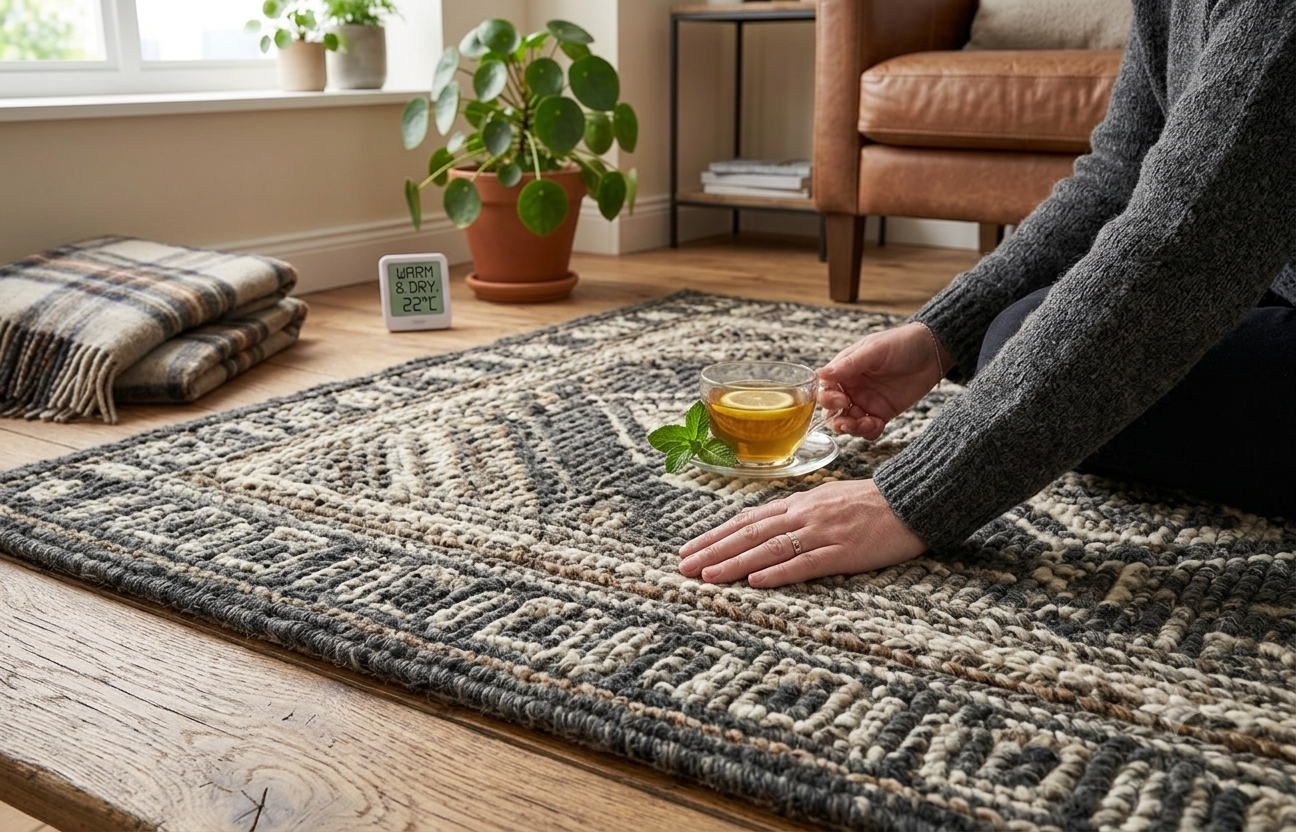
When winter arrives, keeping a home warm becomes a priority. Cold floors, chilly walls, and heat loss through poorly insulated areas can make indoor spaces feel uncomfortable. Many people look for practical ways to improve warmth without relying only on heating systems.
Wool is one material that has been associated with warmth for generations. We wear wool sweaters, use wool blankets, and rely on wool clothing during cold weather. But wool can also be made into mats for use in homes, buildings, and other spaces.
These wool-based mats are known as Wollmatten. Depending on how they are made and where they are used, they can help reduce heat transfer and support a more comfortable indoor environment.
But do they really keep you warmer in winter? The answer depends on the type of mat, its thickness, and how it is used.
Let’s look at how Wollmatten work, where they can help, and what you should realistically expect from them during the colder months.
What Are Wollmatten?
The term comes from German. “Wolle” means wool, while “Matten” means mats. In simple terms, these are mats made from wool fibers that have been pressed, layered, felted, or processed into a specific form.
Different products serve different purposes. Some wool mats are made for gardening, while others are designed for insulation, cushioning, or interior use.
The thickness and density of the material can also vary. A thin decorative wool mat will not perform in the same way as a thick insulation product.
This is why choosing the right type is important. If your goal is to improve warmth inside a home, look for a product specifically designed for insulation or thermal comfort.
How Wool Helps Keep Heat Inside
The main reason wool can provide warmth is its natural fiber structure.
Wool fibers create tiny spaces that can hold air. Air does not move heat as quickly as many solid materials. When air becomes trapped within a material, it can help slow down the movement of heat.
This means a suitable wool insulation mat can help reduce the rate at which indoor warmth moves through walls, ceilings, or other building areas.
During winter, your heating system works to warm the indoor space. If a home loses heat quickly, the heating system may need to run more often to maintain a comfortable temperature.
Proper insulation can slow this heat loss.
Wollmatten do not create heat on their own. Instead, suitable wool mats can help keep existing warmth inside for longer.
That difference is important. They support warmth by acting as a barrier to heat movement rather than functioning like a heater.
Do Wollmatten Really Make a Difference in Winter?
Yes, they can make a difference when the correct product is used in the right place.
For example, wool insulation installed in suitable wall spaces, ceilings, floors, or roof areas can help reduce heat transfer. This may lead to a more stable indoor temperature.
However, the results depend on several factors.
A home with large gaps around windows and doors may still feel cold even if the walls are insulated. A poorly insulated roof can also allow significant heat loss.
The overall condition of the building matters.
Wollmatten work best as part of a complete approach to winter comfort. Good insulation, sealed gaps, suitable windows, and an efficient heating system can all work together.
Simply placing a wool mat in a room may provide some surface comfort, but it will not have the same effect as properly installed insulation.
Where Can Wool Mats Help Most?
The location of the material plays a major role in how well it performs.
Walls
Walls can allow heat to move between the indoor and outdoor environment.
Suitable wool insulation mats can be installed inside wall systems to help slow this movement. This may help rooms stay comfortable for longer after heating.
The installation method should match the building design and local requirements.
Roof and Attic Areas
Warm air naturally rises. Because of this, roof and attic areas can play an important role in winter heat loss.
Using appropriate insulation in these spaces can help reduce the movement of heat through the upper parts of a home.
A wool-based insulation product may be one option for suitable roof or attic projects.
Floors
Cold floors can make an otherwise warm room feel uncomfortable.
Depending on the flooring system, wool mats or wool-based underlayers may provide an additional layer between the finished floor and the colder surface below.
This can improve the feeling of warmth underfoot, especially in rooms where people spend a lot of time.
Around Certain Interior Surfaces
Some wool products are used as visible surface layers or underlays. These may not provide the same level of insulation as building-grade products, but they can add softness and reduce the direct feeling of cold from hard surfaces.
The effect will depend on the material's thickness and construction.
More Than Just Warmth: Other Winter Benefits
The winter value of Wollmatten can extend beyond temperature support.
Moisture Management
Winter can bring changing indoor humidity levels. Heating systems may dry indoor air, while condensation can occur around cold surfaces.
Wool can absorb and release water vapor from the surrounding air under changing conditions. This natural ability may help the material respond to moisture changes.
However, wool should not be treated as a solution for leaks, water damage, or serious damp problems.
Always fix the source of excess moisture first.
A Softer and More Comfortable Home
Winter often makes hard surfaces feel even colder. Wool can add a softer layer to suitable areas.
A wool-based product may provide cushioning and create a warmer feel in certain parts of the home.
The exact level of comfort depends on the type of product.
Some Sound Reduction
Cold weather can mean more time indoors. When more people spend time inside, everyday noise can become more noticeable.
Fibrous materials can help absorb some sound. Suitable wool-based products may reduce echoes and soften certain noises within a room.
They are not a replacement for professional soundproofing, but they can contribute to a calmer indoor environment.
The YourHomify community shares practical home and garden ideas that help create comfortable, useful, and welcoming spaces throughout every season.
Choosing the Right Wollmatten for Winter
Not every wool mat is designed to provide insulation. Before buying one, think about how you plan to use it.
Check the Intended Use
Look for clear information about the product.
A gardening mat may be useful around plants but may not be appropriate for use inside walls. Similarly, a decorative wool mat may not provide the insulation performance needed for a home improvement project.
Choose a product made specifically for your intended application.
Consider Thickness and Density
Thickness can affect how a material performs, but thicker does not always mean better.
The design and density of the product also matter.
A product made for insulation should provide clear guidance about where and how it can be used.
Consider the Installation Area
Think about where your home loses the most heat.
Common areas may include roofs, attics, exterior walls, floors, windows, and doors.
Wool insulation can help in some of these areas, but gaps around windows and doors may need separate sealing solutions.
Follow Safety and Installation Requirements
For larger insulation projects, check local building requirements and product instructions.
A qualified professional can help determine whether a particular material is suitable for your home.
Proper installation is important. Even a good insulation product may not perform as expected if it is installed incorrectly.
Simple Ways to Improve Winter Comfort Alongside Wool Mats
Using Wollmatten as part of a broader home comfort plan can produce better results than relying on one material alone.
Here are a few simple steps to consider:
- Seal noticeable gaps around doors and windows.
- Add suitable insulation to walls, floors, and roof areas.
- Use window coverings that help reduce drafts.
- Maintain your heating system.
- Address leaks and damp areas quickly.
- Keep furniture away from heating sources when possible.
- Use rugs or suitable floor coverings to reduce the cold feeling of hard floors.
Small improvements can work together to make a noticeable difference.
What Wollmatten Cannot Do
It is important to have realistic expectations.
Wool mats cannot replace a heating system during cold weather. They do not generate warmth by themselves.
They also cannot fix major building problems. Large gaps, broken windows, roof leaks, and serious moisture issues need to be addressed directly.
A wool mat placed in the wrong location may have little effect on indoor temperature.
The best results come from using a suitable product in the correct part of the home.
Final Thoughts
So, do Wollmatten really keep you warmer in winter? The right answer is yes, but with realistic expectations.
Suitable wool insulation mats can help slow heat loss and support a more stable indoor temperature. They work by reducing the movement of heat rather than producing warmth themselves.
Their benefits can also include moisture management, surface comfort, and some sound absorption. However, results depend on using the correct product in the right location.
For the best winter comfort, think of wool mats as one part of a larger strategy. Combine proper insulation with sealed gaps, good ventilation, effective heating, and regular home maintenance.
When chosen carefully and installed correctly, Wollmatten can be a practical natural material that helps make a home feel warmer, more comfortable, and better prepared for winter.
Frequently Asked Questions
1. Do Wollmatten actually keep a home warmer?
Suitable wool insulation mats can help reduce heat transfer and slow the loss of indoor warmth. Their effectiveness depends on the product, thickness, installation, and overall condition of the home.
2. Are Wollmatten better than regular heating?
No. Wool mats do not produce heat. They can support a heating system by helping a home retain warmth for longer when used as suitable insulation.
3. Can I place a wool mat on the floor for extra warmth?
A suitable wool mat or underlayer can make a floor feel softer and less cold. However, its effect on the overall temperature of the room will usually be limited unless it is part of a proper insulation system.
4. Can wool insulation help during summer too?
Yes. Insulation works by slowing heat transfer. A suitable wool insulation product can help reduce heat movement in both cold and warm weather.
5. Are all Wollmatten suitable for home insulation?
No. Some are made for gardening, decoration, or other purposes. Choose a product specifically designed and approved for insulation if that is your goal.
- Goth Lifestyle
- Fashion & Style
- Music & Bands
- Art & Photography
- Creative Writing & Poetry
- Events & Scene
- Occult & Spirituality
- DIY & Tutorials
- Beauty & Self-Care
- Relationships & Dating
- Gaming & Media
- Tech & Gadgets
- Body Art & Piercings
- Underground Culture
- Spotlights & Interviews
- Travel & Places
- Lifestyle & Daily Life
- Fitness & Health
- Travel & Adventure
- Books & Literature
- Tech & Gaming
- Movies & TV
- Food & Drinks
- Humor & Memes
- Pets & Animals
- General Arts & Crafts

 English
 Arabic
 French
 Spanish
 Portuguese
 Deutsch
 Turkish
 Dutch
Dutch
 Italiano
 Romaian
 Portuguese (Brazil)
 Greek
Greek