


What Makes a Good Post-Workout Recovery Routine?
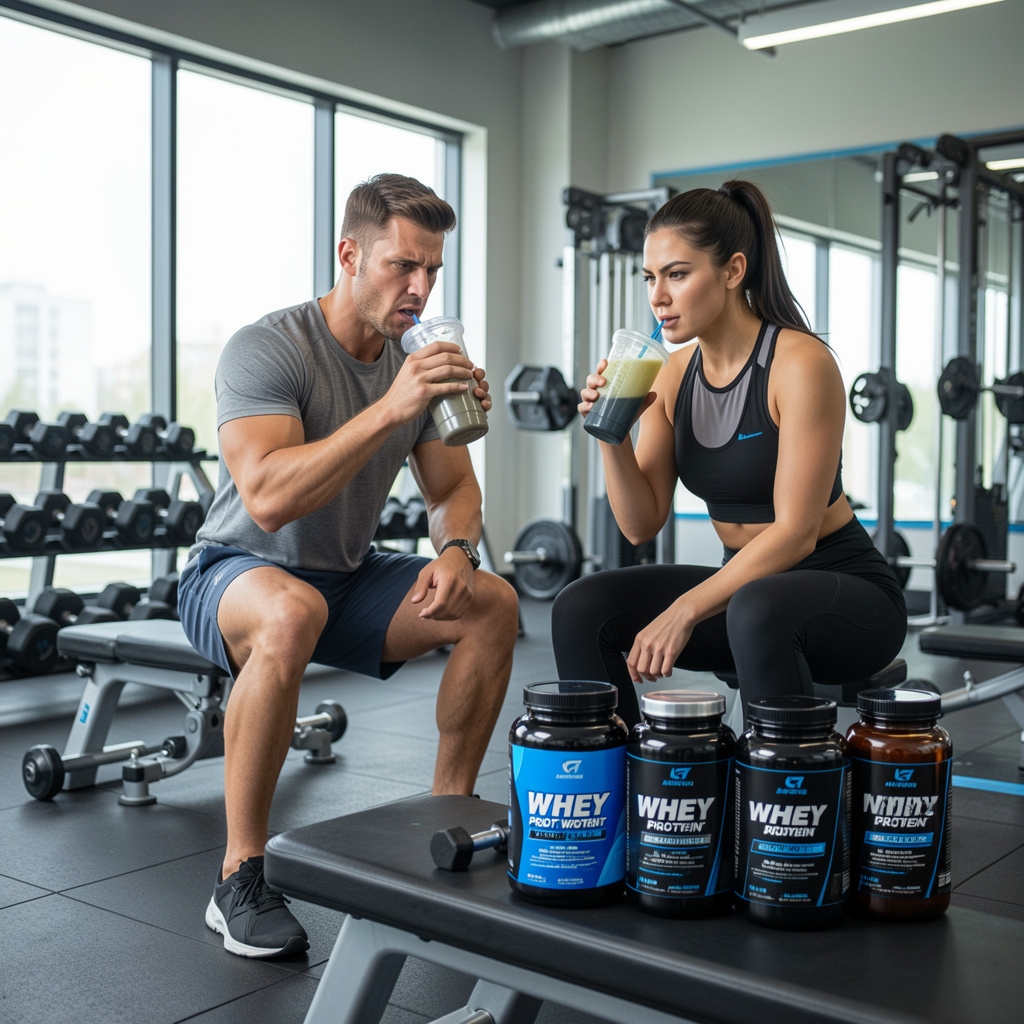
A hard workout is only half the process. The other half is giving your body what it needs to repair muscle tissue, restore energy, replace fluids, and prepare for the next session. A thoughtful post-workout recovery routine can improve training consistency and help you get more from the work you already put in.
The good news is that recovery does not need to be complicated. It comes down to a few fundamentals: quality nutrition, adequate hydration, enough rest, and smart supplementation when it adds value. Instead of treating recovery as an afterthought, think of it as the bridge between today's workout and tomorrow's performance.
Recovery also starts before you leave the gym. A few minutes of easy cooldown activity can help you transition out of intense exercise, while changing out of sweaty clothing and having your next meal planned removes unnecessary friction. Planning matters because the most effective recovery strategy is rarely the most elaborate one; it is the strategy you can repeat on busy workdays, hard training days, and weekends alike.
Start With Protein and Carbohydrates
After resistance training or demanding conditioning, your muscles need amino acids to support repair and adaptation. Protein provides those amino acids, while carbohydrates help replenish muscle glycogen, the stored form of carbohydrate used during exercise.
A practical post-workout meal or recovery shake can combine both. For example, a whey-based shake with fruit, oats, or another carbohydrate source can be convenient when you cannot eat a full meal soon after training. If you prefer whole foods, options such as chicken with rice, eggs with toast, Greek yogurt with fruit, or lean beef with potatoes can work well.
The exact amount you need depends on your body size, total daily intake, training volume, and goals. Rather than obsessing over a narrow post-workout window, focus on getting enough high-quality protein and carbohydrates across the entire day.
Rehydrate and Replace What You Lose
Sweat losses vary significantly from person to person and can become substantial during long, hot, or high-intensity sessions. Replacing fluids after training supports normal circulation, temperature regulation, and physical performance.
Water is often enough for shorter workouts, particularly when you have eaten a balanced diet. For prolonged or especially sweaty sessions, electrolytes such as sodium can be useful. A simple way to improve your hydration habits is to drink regularly throughout the day instead of trying to correct dehydration all at once after exercise.
Your recovery routine should also consider the environment. Training outdoors in heat or humidity can increase fluid and electrolyte losses, making hydration more important than it might be after a light indoor workout.
Choose a Recovery Shake for Convenience
A recovery shake is not a magic formula, but it can be an efficient way to deliver useful nutrients when time is limited. A well-designed shake can provide protein, carbohydrates, fluids, and, depending on the ingredients, electrolytes and other nutrients.
For muscle-focused training, a shake containing a quality protein source can make it easier to reach your daily protein target. Whey protein is popular because it is rich in essential amino acids and digests relatively quickly. Plant-based proteins can also work, particularly when a product provides a balanced amino acid profile.
You can keep a shake simple: protein powder, milk or water, and a banana are enough for many people. Add oats or another carbohydrate source when you need more energy. The goal is not to create the most complicated drink; it is to create one you can use consistently.
Consider Muscle Recovery Supplements Strategically
Muscle recovery supplements can complement a strong diet, but they should not replace the basics. Protein powder is useful when food alone does not conveniently cover your protein needs. Creatine is another well-researched option for people who perform resistance training and want to support strength and high-intensity performance over time.
Other products may have more specific purposes. Electrolyte formulas can be useful for heavy sweaters or longer training sessions, while certain carbohydrate products may help athletes who need to replenish glycogen quickly between demanding sessions.
The key is to match the supplement to an actual need. More products do not automatically mean better recovery. Look for transparent labels, sensible dosages, and ingredients supported by credible evidence. Supplements should make a good routine easier, not distract from it.
Don't Overlook Sleep and Active Recovery
Nutrition gets plenty of attention, but sleep is one of the most important parts of recovery. During sleep, your body supports tissue repair, nervous-system recovery, and normal hormonal processes. Consistently short or poor-quality sleep can make hard training feel harder and may interfere with performance.
Aim for a consistent sleep schedule and create a relaxing pre-bed routine. Limiting unnecessary screen exposure, keeping your bedroom comfortable, and avoiding large amounts of caffeine late in the day can help support better sleep habits.
Active recovery can also be useful. A relaxed walk, easy cycling, mobility work, or gentle stretching can keep you moving without adding significant training stress. The purpose is to recover, not to turn every rest day into another workout.
Build a Routine You Can Repeat
The best post-workout routine is the one you can follow consistently. Within a practical period after training, hydrate, eat a protein-rich meal or use a recovery shake, and include carbohydrates according to your training demands. Then shift your attention toward the rest of the day: balanced meals, adequate fluids, quality sleep, and appropriate training volume.
Pay attention to how your body responds. Persistent soreness, declining performance, unusual fatigue, or poor motivation can be signs that your training load, nutrition, hydration, or sleep needs adjustment. Recovery is individual, so your routine should evolve with your goals and workload.
A smart approach does not chase instant results. It builds the conditions that allow your body to adapt repeatedly. When post workout nutrition, hydration, sleep, and targeted muscle recovery supplements work together, recovery becomes a reliable part of your training strategy rather than something you remember only when you feel sore.
For athletes and fitness enthusiasts alike, consistency wins. Train with purpose, fuel intelligently, recover deliberately, and give your body the resources it needs to come back ready for the next challenge.
- Goth Lifestyle
- Fashion & Style
- Music & Bands
- Art & Photography
- Creative Writing & Poetry
- Events & Scene
- Occult & Spirituality
- DIY & Tutorials
- Beauty & Self-Care
- Relationships & Dating
- Gaming & Media
- Tech & Gadgets
- Body Art & Piercings
- Underground Culture
- Spotlights & Interviews
- Travel & Places
- Lifestyle & Daily Life
- Fitness & Health
- Travel & Adventure
- Books & Literature
- Tech & Gaming
- Movies & TV
- Food & Drinks
- Humor & Memes
- Pets & Animals
- General Arts & Crafts

 English
 Arabic
 French
 Spanish
 Portuguese
 Turkish
 Dutch
Dutch
 Italiano
 Russian
 Romaian
 Portuguese (Brazil)
 Greek
Greek