


Living in the UAE? Here’s How to Buy an Authentic Kashmiri Shawl Directly From Pakistan Without Compromising on Quality
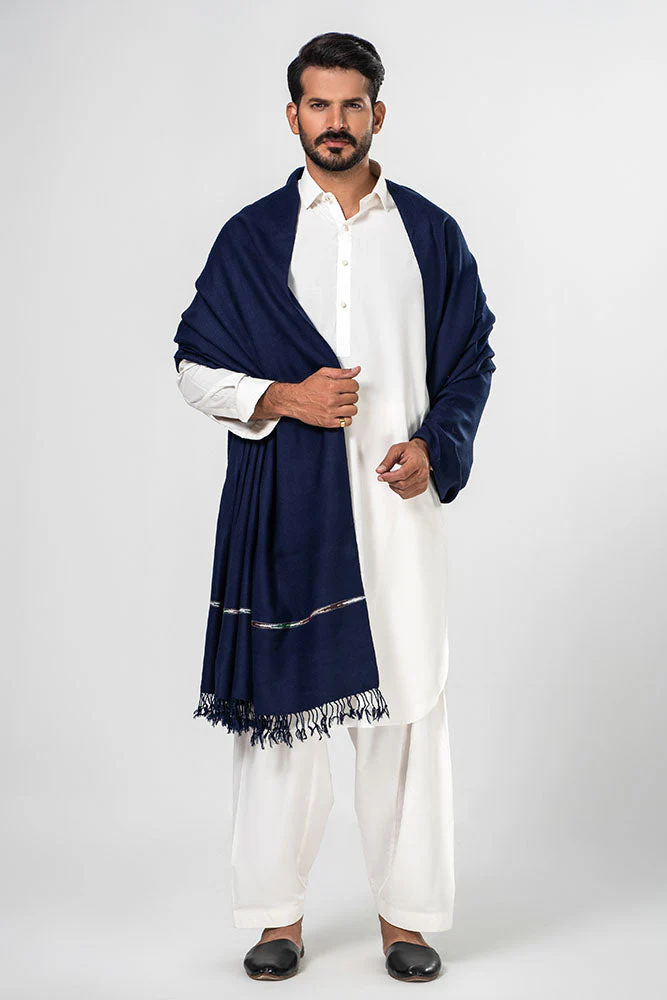
In June 2026, a discussion in a UAE Reddit community raised a simple question about Pakistani fashion. Someone wanted to know whether people living in the UAE were interested in clothing made with quality Pakistani materials.
The replies were interesting because they showed how normal direct buying from Pakistan has become.
One community member said that people who wanted Pakistani clothing often ordered it directly from Pakistan or asked friends and family to bring it with them. Another participant said that Indians they knew in the UAE also visited Pakistani designer stores or placed direct orders from Pakistan.
These were personal experiences rather than formal market research, but they reflect a buying pattern that many UAE residents will recognize. Pakistan is close to the Gulf. Families travel between both countries regularly. Online shopping has also made traditional clothing and accessories easier to access than ever.
Buying a Kashmiri shawl online, however, is different from ordering a simple everyday item.
You cannot touch the fabric through a screen. You cannot feel its weight or check how soft it is. You cannot inspect the weave with your own hands or see how the shawl falls when worn.
Then there is the international side of the purchase.
You may also have to think about shipping charges, customs, VAT, payment safety, delivery times, and return rules.
That is why the smartest way to buy directly from Pakistan is not to focus only on the product photo.
It is to understand the complete purchase before you pay.
Why Buying From Pakistan Feels So Easy for UAE Shoppers Today
Online shopping is already a normal part of everyday life in the UAE.
The 2025 Global Digital Shopping Index, UAE edition, commissioned by Visa Acceptance Solutions and conducted by PYMNTS Intelligence, surveyed 1,679 UAE consumers and 329 merchants.
The research found that 67% of UAE consumers used their phones during their latest retail purchase. It also reported that 37% shopped online using mobile devices, which was the highest rate among the markets compared in the study.
These numbers explain why buying from Pakistan no longer feels complicated.
Someone living in Dubai, Abu Dhabi, Sharjah, Ajman, or another emirate can browse a collection, speak to a seller, compare products, and place an order within minutes.
That convenience is useful, but it can also make people rush.
A shawl looks beautiful in the photos. The product title says "premium Kashmiri shawl." The color seems perfect. The price looks reasonable.
So you order it.
The problem is that none of those things tell you enough about the actual product.
Before thinking about design or price, you need to understand what the shawl is made from.
Start With the Fabric Before You Look at Anything Else
One of the biggest mistakes buyers make is assuming that every shawl described as Kashmiri is made from the same type of fiber.
That is not true.
Depending on the seller, you may come across pure wool, merino wool, pashmina, wool blends, Dhussa styles, and other traditional shawls. These products can feel very different and may also vary in warmth, softness, weight, price, and care needs.
This is why the product description matters more than the title.
If a shawl is described as pure wool, the seller should clearly explain the material. If the word pashmina is used, look for a proper fiber description instead of trusting the name alone.
When browsing kashmiri shawls for men, compare the listed material, dimensions, design details, and care instructions before choosing a product.
The reason is simple.
If you were standing inside a physical store, you would probably touch the shawl before buying it. You would feel the texture and judge the weight.
Online, you cannot do that.
So the written product details become your first quality check.
If the description is vague, ask questions before paying.
Understanding What “Authentic” Really Means
The word "authentic" is used a lot in online fashion, but it can mean different things to different sellers.
That is why you should turn the word into practical questions.
You want to know what fiber is used. You want to know whether the shawl is pure wool, pashmina, merino wool, or a blend. You may also want to know where it was made and whether it is handwoven, machine-woven, or hand-finished.
Not every good shawl has to be handmade.
The important thing is that the seller describes the product honestly.
A clearly described machine-woven wool shawl can be a better purchase than a poorly explained product making big claims about heritage or craftsmanship.
You are not buying a story.
You are buying a product.
The description, material, size, and construction should all make sense together.
Once You Understand the Fabric, Check the Size
After material, size is the next detail that matters.
Product photography can be misleading because a shawl may look larger depending on how it is folded or draped around a model.
That is why measurements are important.
Some men's wool shawls sold by Pakistani retailers are listed at around 135 cm by 275 cm. Numbers like these give you a much clearer idea of how much coverage the shawl may provide.
The right size depends on how you plan to use it.
If you want a shawl for regular winter wear, you may prefer more coverage around the shoulders and upper body.
If you are buying one for a wedding, you may care more about how neatly it drapes over shalwar kameez.
If you plan to travel with it, you may want something that folds more easily.
The photograph helps you imagine the style.
The measurements help you decide whether the shawl will actually work for you.
That matters even more when you are ordering internationally because returning the wrong size may not be simple.
Quality Becomes Easier to Judge When You Know What to Look For
Once you know the material and size, you can start looking more closely at quality.
This is where online shopping becomes more difficult because you cannot inspect the shawl physically.
You have to replace touch with observation.
Open the product photos in full size. Look at the surface of the fabric. Check whether the weave appears even. Study the borders and edges. See whether the finishing looks clean.
Then go back to the written information.
Look for care instructions, material details, and any mention of color or design variation.
After hours of research into cross-border fashion buying, one lesson becomes clear.
Many disappointing purchases do not begin with fraud.
They begin with assumptions.
The buyer assumes the fabric is pure wool because the title sounds premium.
They assume the color will match the photo exactly.
They assume the border will look the same.
They assume the seller will accept a return.
Those assumptions can become expensive once the product is being shipped from another country.
The safer approach is to confirm the details that matter before you order.
Ask for Recent Photos When the Exact Look Matters
This is especially important when you are buying for a wedding, Eid gathering, family event, or gift.
Colors can look different across screens. Lighting can change the appearance of a fabric. Photo editing can also make shades look brighter or deeper than they are in real life.
If you are trying to match a shawl with a specific outfit, ask for a recent photograph of the actual piece or current batch.
You can do the same with the border.
If the border design is one of the reasons you like the shawl, ask whether the piece you receive will look exactly the same or whether there may be small variations.
This may feel like a minor detail, but it is not.
A slight shade difference may not matter for everyday wear, but it can matter if you are matching the shawl with formal clothing.
The same applies to finishing.
A few simple questions can reduce the gap between what you expect and what you actually receive.
Price Should Confirm Quality, Not Replace It
Once you understand the product better, price becomes easier to judge.
A very low price should make you cautious if a seller is claiming rare fibers, fine craftsmanship, or premium natural wool.
Good materials cost money. Skilled work also has value.
But the opposite is equally important.
An expensive shawl is not automatically authentic or high quality.
A higher price may come from better material, finer work, branding, packaging, or simply a larger profit margin.
This is why price should be considered after you understand the product.
Ask yourself why one shawl costs more than another.
The difference may come from:
-
Better or more expensive fiber
-
Finer weaving or finishing
-
Larger dimensions
-
More detailed traditional work
-
Brand positioning rather than actual material differences
The goal is not to buy the cheapest shawl.
It is also not to buy the most expensive one.
The goal is to find a product where the material, quality, and price make sense together.
Think About How You Will Actually Use the Shawl in the UAE
Once you are comfortable with the quality and price, think about your lifestyle.
The UAE is known for hot weather, but that does not mean a wool shawl has no use.
Winter evenings can feel cooler. Outdoor dinners, desert gatherings, late-night events, and winter travel can all make an extra layer useful.
For many South Asian families, a men's shawl is also part of traditional dressing.
It may be worn over shalwar kameez at weddings, Eid gatherings, family events, or evening functions.
Your purpose should shape the product you choose.
If warmth is your priority, focus more on the material and construction.
If you are shopping for a wedding, pay closer attention to the drape, color, and finishing.
If the shawl is a gift, ask about packaging and presentation.
Once you know how you plan to use it, it becomes easier to ignore products that look attractive but do not actually suit your needs.
A Good Product Is Not Enough if the Seller Is Unreliable
After choosing the shawl, the next step is to verify the seller.
This is important because even a good product can become a bad buying experience if the business behind it is unreliable.
Look for clear contact details, product descriptions, shipping information, and a refund or exchange policy.
You should also receive some form of order confirmation after payment.
If you discover the seller through social media, take an extra step before sending money.
The Visa Stay Secure Study 2026 reported that 69% of UAE consumers had purchased directly through social commerce. The same research found that among consumers who had experienced scams, 38% said the incident happened on social media.
This does not mean every social media seller is unsafe.
It simply means that a polished Instagram page is not enough proof of trust.
A reliable seller should be able to answer simple questions about the material, size, shipping, and return policy.
If someone is pushing you to pay immediately while avoiding basic questions, take that as a warning sign.
There will always be another shawl.
Keep a Clear Record of the Purchase
Once you decide to order, keep a record of everything important.
This is especially useful when buying internationally because it gives you proof of what was ordered and what the seller promised.
Save:
-
Your order confirmation
-
Your invoice or receipt
-
Screenshots of the product description
-
Messages where the seller confirms material, color, or size
-
Payment confirmation
-
Courier tracking details
These records may help if the wrong product arrives or if there is a delivery issue.
The principle is simple.
You should always be able to show what you bought, what was described, and what you paid.
Confirm Shipping Before You Place the Order
Once the seller looks trustworthy, check the delivery details.
Do not assume that every Pakistani website ships internationally.
A website may be accessible from Dubai while the business only delivers within Pakistan.
Before paying, confirm that the seller can deliver to your location in the UAE.
Ask about the shipping price and which courier will handle the parcel.
Make sure tracking is available.
If you need the shawl for a wedding, Eid celebration, or trip, ask about the expected delivery window.
Treat the delivery date as an estimate because international parcels can be affected by courier schedules and customs processing.
It is always better to order early when the date matters.
A good-quality shawl that arrives after your event is still a bad buying experience.
The Website Price Is Not Always the Final Price
Once shipping is confirmed, calculate what the shawl may actually cost by the time it reaches you.
According to the Official Platform of the UAE Government, the general customs duty rate is 5% of the value of goods plus cost, freight, and insurance.
The UAE also applies a standard 5% VAT rate.
However, this does not mean you should simply add 10% to every shawl order and assume that is the final amount.
The actual customs treatment can depend on the type and value of the goods and the rules that apply to the shipment.
The more useful way to think about the purchase is the landed cost.
That may include:
-
The shawl price
-
International shipping
-
Possible customs duty
-
VAT
-
Courier-related charges
This can change how you compare two products.
One shawl may look cheaper on the website but come with expensive international delivery.
Another may cost slightly more but have lower shipping charges.
The cheaper product is not always the cheaper purchase.
The only fair comparison is the total amount you are likely to spend.
Read the Return Policy Before You Need It
At this point, you may feel ready to place the order.
Before you do, check the return and exchange rules.
This matters more with international shopping than many people realize.
Returning something to a nearby shop in the UAE is relatively simple.
Sending a parcel back to Pakistan can be expensive and time-consuming.
Some sellers may only accept returns for damaged or incorrect items. Others may not accept returns at all.
That means you should understand the rules before paying.
If the product is non-refundable or non-exchangeable, double-check everything first:
-
Confirm the fabric.
-
Check the measurements.
-
Ask about possible color differences.
-
Confirm whether the border may vary.
-
Verify the delivery address.
-
Make sure your phone number is correct.
These checks do not take long.
But they can save you from a difficult return process later.
How UAE Buyers Can Make the Right Decision Before Ordering
By this point, the buying process becomes much clearer.
You are no longer looking at the shawl as a single product photo.
You are looking at the complete purchase.
Before placing your order, make sure you have checked:
-
Material: Confirm whether the shawl is pure wool, pashmina, merino wool, or another fiber.
-
Authenticity: Ask clear questions about origin, construction, and material instead of trusting broad labels.
-
Size: Check the measurements and make sure the shawl suits the way you plan to wear it.
-
Photos: Ask for recent images if the exact shade, border, or finishing matters.
-
Quality: Look at the weave, edges, care instructions, and overall product details.
-
Seller: Verify contact information, shipping terms, customer support, and return conditions.
-
Payment: Keep a clear record of the transaction.
-
Shipping: Confirm UAE delivery and tracking.
-
Total cost: Consider shipping, possible customs duty, VAT, and courier charges.
-
Returns: Understand what happens if the product is damaged, incorrect, or not as expected.
These checks answer the questions that actually matter.
-
What are you buying?
-
Does it suit your needs?
-
Is the quality clearly explained?
-
Can you trust the seller?
-
What will the final cost be?
-
What happens if something goes wrong?
Once those questions are answered, buying a Kashmiri shawl directly from Pakistan becomes far less uncertain.
You are no longer buying because the photograph looks beautiful or because the product name sounds premium.
You are making the decision based on material, quality, cost, trust, and the real experience of getting the shawl delivered to your home in the UAE.
That is what helps you buy with confidence without compromising on quality.
- Goth Lifestyle
- Fashion & Style
- Music & Bands
- Art & Photography
- Creative Writing & Poetry
- Events & Scene
- Occult & Spirituality
- DIY & Tutorials
- Beauty & Self-Care
- Relationships & Dating
- Gaming & Media
- Tech & Gadgets
- Body Art & Piercings
- Underground Culture
- Spotlights & Interviews
- Travel & Places
- Lifestyle & Daily Life
- Fitness & Health
- Travel & Adventure
- Books & Literature
- Tech & Gaming
- Movies & TV
- Food & Drinks
- Humor & Memes
- Pets & Animals
- General Arts & Crafts

 English
 Arabic
 French
 Spanish
 Portuguese
 Deutsch
 Turkish
 Dutch
Dutch
 Russian
 Romaian
 Portuguese (Brazil)
 Greek
Greek