


How Does a Potassium Test Work?
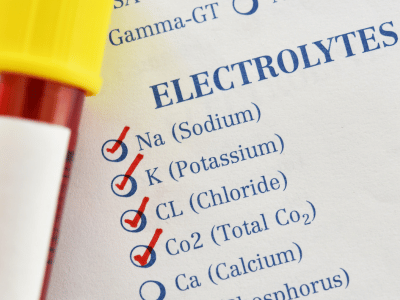
Potassium is one of the body's most essential electrolytes. It helps regulate heart function, muscle contractions, nerve signaling, and fluid balance. Since the body cannot function properly without maintaining the right potassium levels, doctors often recommend a potassium test to evaluate overall health and diagnose various medical conditions.
A potassium test is a simple blood test that measures the amount of potassium circulating in your bloodstream. Although it is a routine laboratory investigation, the information it provides can be crucial in detecting kidney disease, electrolyte imbalances, heart conditions, and other serious health issues. Understanding how a potassium test works can help reduce anxiety before testing and enable patients to appreciate the importance of monitoring this vital mineral.
Whether you're having the test as part of a routine checkup or to investigate specific symptoms, knowing the testing process, result interpretation, and possible next steps can help you stay informed about your health. Instacare.pk makes it easy to book potassium tests at trusted diagnostic laboratories across Pakistan, allowing patients to access reliable testing services conveniently.
What Is a Potassium Test?
A potassium test is a laboratory blood test that measures the concentration of potassium in your blood. Potassium is an electrolyte that carries electrical charges needed for communication between cells, muscles, and nerves.
Nearly 98% of the body's potassium is stored inside cells, while only a small percentage circulates in the bloodstream. Because this balance is carefully regulated, even small changes in blood potassium levels can signal an underlying medical condition.
Doctors frequently include a potassium test as part of:
-
Electrolyte Panel
-
Basic Metabolic Panel (BMP)
-
Comprehensive Metabolic Panel (CMP)
These panels evaluate overall health and assess organ function.
Why Do Doctors Order a Potassium Test?
Healthcare providers recommend a potassium test for several medical reasons. It helps diagnose health conditions, monitor ongoing illnesses, and evaluate the effects of medications.
Common reasons include:
-
Investigating muscle weakness or cramps
-
Evaluating irregular heartbeats
-
Monitoring kidney disease
-
Checking electrolyte balance
-
Assessing dehydration
-
Monitoring high blood pressure treatment
-
Evaluating adrenal gland disorders
-
Following severe vomiting or diarrhea
The test is also commonly performed during routine medical examinations, especially for individuals with chronic health conditions.
How Does a Potassium Test Work?
A potassium test works by analyzing a blood sample to determine the amount of potassium dissolved in the bloodstream.
The testing process consists of several important steps:
Step 1: Blood Sample Collection
A trained healthcare professional collects a small blood sample from a vein, usually located in your arm.
The procedure typically involves:
-
Cleaning the skin with an antiseptic
-
Applying a tourniquet to make the vein easier to locate
-
Inserting a sterile needle into the vein
-
Drawing blood into a collection tube
-
Removing the needle and applying pressure to prevent bleeding
The entire process usually takes less than five minutes.
Step 2: Laboratory Analysis
Once collected, the blood sample is transported to a laboratory.
Highly specialized laboratory analyzers measure the potassium concentration using advanced biochemical techniques. These automated machines ensure highly accurate and consistent results while minimizing human error.
Laboratory professionals also verify that the blood sample has not been damaged or contaminated before testing.
Step 3: Result Interpretation
After analysis, the potassium level is reported in milliequivalents per liter (mEq/L).
Your doctor interprets the results alongside:
-
Medical history
-
Current symptoms
-
Other blood test results
-
Kidney function
-
Medication use
A potassium test alone rarely provides a complete diagnosis but serves as an important part of a broader medical evaluation.
Do You Need to Prepare for a Potassium Test?
Most potassium tests require little or no preparation.
However, your healthcare provider may recommend:
-
Informing them about all medications and supplements
-
Avoiding strenuous exercise before testing
-
Following fasting instructions if additional blood tests are ordered
Never stop taking prescribed medications unless instructed by your doctor.
What Happens During the Blood Draw?
Many people worry about blood tests, but the procedure is quick and generally causes minimal discomfort.
You may feel:
-
A brief pinch when the needle enters the skin
-
Mild pressure during blood collection
-
Slight soreness afterward
Most individuals resume normal activities immediately after the test.
What Is the Normal Potassium Range?
Although laboratory reference values may vary slightly, a normal potassium level generally falls between:
3.5 to 5.0 mEq/L
Results below or above this range may require further evaluation depending on your symptoms and overall health.
What Happens If Potassium Levels Are Low?
Low potassium levels are known as hypokalemia.
Common causes include:
-
Persistent vomiting
-
Chronic diarrhea
-
Excessive sweating
-
Diuretic medications
-
Poor nutrition
-
Kidney disorders
-
Hormonal imbalances
Symptoms may include:
-
Muscle cramps
-
Weakness
-
Fatigue
-
Constipation
-
Tingling sensations
-
Abnormal heart rhythms
Severe hypokalemia can become life-threatening if untreated.
What Happens If Potassium Levels Are High?
High potassium levels are called hyperkalemia.
This condition may occur because of:
-
Chronic kidney disease
-
Kidney failure
-
Certain blood pressure medications
-
Diabetes
-
Adrenal disorders
-
Excessive potassium supplementation
Symptoms can include:
-
Muscle weakness
-
Nausea
-
Slow heartbeat
-
Chest discomfort
-
Heart palpitations
-
Irregular heart rhythm
Some patients experience no symptoms until potassium levels become dangerously high.
What Factors Can Affect Potassium Test Results?
Several factors may temporarily influence potassium levels or interfere with test accuracy.
These include:
-
Certain prescription medications
-
Potassium supplements
-
Dehydration
-
Intense exercise
-
Blood sample handling errors
-
Intravenous fluids
Your healthcare provider considers these factors before making a diagnosis.
Are Potassium Test Results Always Accurate?
Potassium tests are highly reliable when performed under proper laboratory conditions.
However, occasionally a falsely elevated potassium level may occur due to hemolysis, which happens when red blood cells break during blood collection. In such cases, your doctor may repeat the test to confirm the result.
Modern laboratories use strict quality control procedures to ensure accurate reporting.
What Other Tests May Be Ordered Alongside a Potassium Test?
Since potassium levels are closely linked with overall health, doctors often request additional investigations such as:
-
Sodium test
-
Chloride test
-
Bicarbonate test
-
Kidney function tests
-
Blood urea nitrogen (BUN)
-
Creatinine
-
Magnesium test
-
Calcium test
-
Blood glucose test
These tests provide a more comprehensive understanding of your body's electrolyte and metabolic balance.
Can You Improve Potassium Levels Naturally?
Treatment depends entirely on the underlying cause.
If potassium is low, doctors may recommend potassium-rich foods such as:
-
Bananas
-
Sweet potatoes
-
Spinach
-
Avocados
-
Oranges
-
Tomatoes
-
Beans
-
Yogurt
If potassium is high, patients especially those with kidney disease may need to reduce dietary potassium intake under medical supervision.
Never begin potassium supplements without consulting your healthcare provider, as excessive potassium can be dangerous.
When Should You Have a Potassium Test?
Your doctor may recommend testing if you experience:
-
Persistent fatigue
-
Muscle weakness
-
Muscle cramps
-
Irregular heartbeat
-
Kidney disease
-
High blood pressure
-
Frequent vomiting
-
Severe diarrhea
-
Ongoing medication use that affects electrolytes
Routine potassium monitoring is especially important for individuals living with chronic kidney disease, heart disease, or diabetes.
Book Your Potassium Test with Instacare.pk
Getting tested has become more convenient through Instacare.pk, a trusted healthcare platform that connects patients with accredited diagnostic laboratories throughout Pakistan. Whether you need a potassium test as part of a routine health assessment or for ongoing disease monitoring, Instacare.pk allows you to compare laboratory options, book appointments, and access reliable testing services with ease. Early diagnosis through timely laboratory testing can help identify electrolyte imbalances before they lead to serious complications.
Conclusion
A potassium test is a simple yet essential blood test that helps evaluate one of the body's most important electrolytes. By measuring potassium levels in the bloodstream, healthcare providers can diagnose electrolyte disorders, monitor kidney function, assess medication effects, and detect conditions that may affect the heart, muscles, and nervous system. The testing process is quick, safe, and highly accurate, making it an important component of preventive healthcare as well as ongoing disease management.
Understanding how a potassium test works allows patients to appreciate the value of early detection and timely treatment. If your doctor recommends this test or you have symptoms that may indicate an electrolyte imbalance, scheduling your test promptly is a wise decision. With Instacare.pk, booking a potassium test in karachi from trusted laboratories across Pakistan is simple, helping you take proactive steps toward maintaining better health.
- Goth Lifestyle
- Fashion & Style
- Music & Bands
- Art & Photography
- Creative Writing & Poetry
- Events & Scene
- Occult & Spirituality
- DIY & Tutorials
- Beauty & Self-Care
- Relationships & Dating
- Gaming & Media
- Tech & Gadgets
- Body Art & Piercings
- Underground Culture
- Spotlights & Interviews
- Travel & Places
- Lifestyle & Daily Life
- Fitness & Health
- Travel & Adventure
- Books & Literature
- Tech & Gaming
- Movies & TV
- Food & Drinks
- Humor & Memes
- Pets & Animals
- General Arts & Crafts

 English
 Arabic
 French
 Spanish
 Portuguese
 Deutsch
 Turkish
 Dutch
Dutch
 Italiano
 Russian
 Portuguese (Brazil)
 Greek
Greek