


Sunburn: Symptoms, Treatment, and Prevention
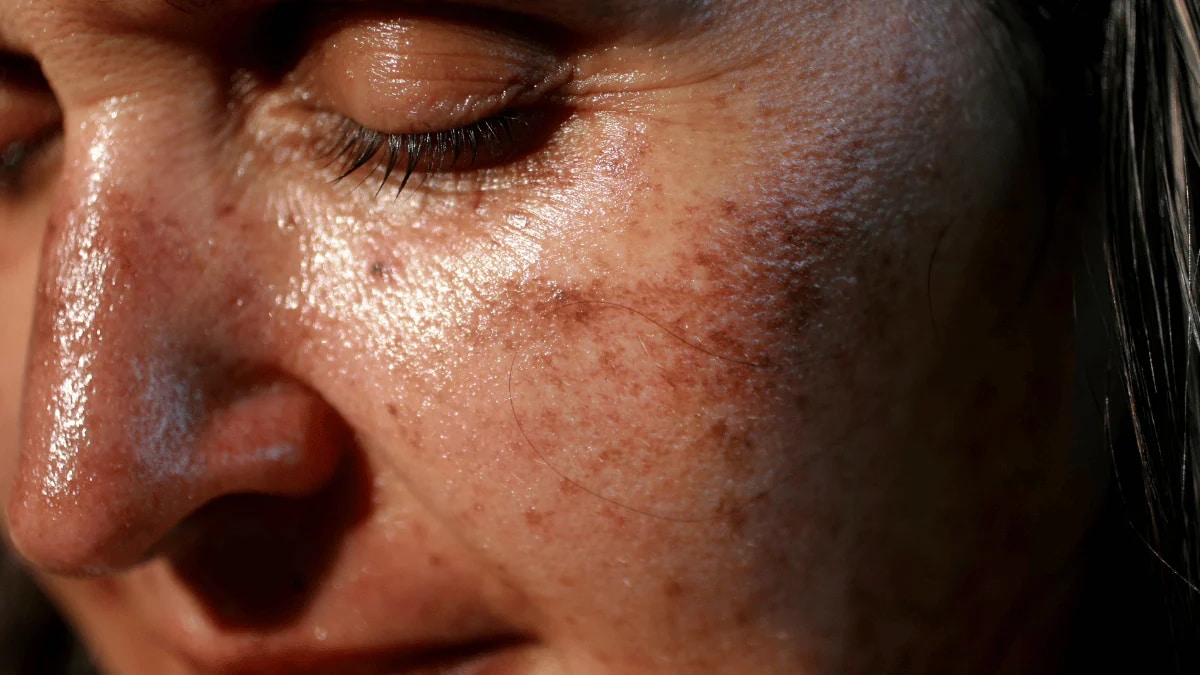
Sunburn is a common skin condition that occurs when the skin is overexposed to ultraviolet (UV) radiation from the sun or artificial sources like tanning beds. It can range from mild redness to severe blistering and pain. Understanding how it develops, its symptoms, treatment, and prevention methods is essential for maintaining healthy skin and avoiding long-term damage.
Sunburn is not just a temporary irritation; repeated exposure can increase the risk of premature aging and even skin cancer. This blog explains everything in a simple, practical way so you can protect your skin effectively.
What is Sunburn and How Does It Affect the Skin?
Sunburn is an inflammatory response of the skin caused by excessive exposure to ultraviolet (UV) rays. When UV rays damage skin cells, the body reacts by increasing blood flow to the affected area, causing redness, warmth, and pain. In more severe cases, it can lead to swelling, blistering, and peeling as the skin attempts to heal itself.
The skin has a natural defense called melanin, which absorbs UV radiation. However, when exposure exceeds the skin’s protection limit, damage occurs. Fair-skinned individuals are more prone to sunburn, but anyone can be affected depending on exposure duration and intensity. Repeated sunburns can weaken skin structure and accelerate visible aging.
Common Symptoms of Sunburn You Should Never Ignore
Sunburn symptoms usually appear within a few hours after sun exposure and worsen over the next 24–48 hours. The most common sign is skin redness, which may feel hot and tender to touch. Pain and sensitivity often increase as inflammation develops.
In moderate to severe cases, symptoms include swelling, fluid-filled blisters, headache, fatigue, nausea, and even mild fever. The skin may also start peeling after a few days, which is part of the healing process. Severe sunburn may require medical attention, especially if large areas of the body are affected or dehydration occurs.
Causes and Risk Factors Behind Sunburn
The primary cause of sunburn is overexposure to ultraviolet radiation from the sun. UVB rays are mainly responsible for damaging the outer layer of the skin, while UVA rays penetrate deeper and contribute to long-term skin aging. Artificial sources like tanning beds also emit harmful UV radiation.
Certain factors increase the risk of sunburn, such as being outdoors during peak sunlight hours (10 a.m. to 4 p.m.), living in high-altitude or tropical regions, and having lighter skin tones. Medications that increase photosensitivity can also make the skin more vulnerable to UV damage.
Effective Treatment Options for Sunburn Relief
Treating sunburn focuses on reducing pain, inflammation, and supporting skin recovery. The first step is to move out of direct sunlight immediately. Cooling the skin with cold compresses or a cool shower can help reduce heat and discomfort.
Moisturizers containing aloe vera or soy can soothe irritated skin. Hydration is also essential, as sunburn draws fluid to the skin surface and may cause dehydration. Over-the-counter pain relievers like ibuprofen can reduce swelling and pain. In severe cases, where blisters or extensive burns occur, medical treatment may be necessary to prevent infection and complications.
Home Remedies That Help Speed Up Healing
Several home remedies can support the healing process of sunburn. Aloe vera gel is one of the most effective natural treatments due to its cooling and anti-inflammatory properties. Applying it gently on affected areas helps reduce redness and irritation.
Cold milk compresses, oatmeal baths, and cucumber paste can also soothe the skin. Drinking plenty of water helps restore hydration lost due to sun exposure. It is important to avoid popping blisters or peeling skin aggressively, as this can lead to infection and slow down recovery.
How to Prevent Sunburn and Protect Your Skin
Prevention is the most effective way to avoid sunburn. Always apply a broad-spectrum sunscreen with at least SPF 30 before going outdoors, and reapply it every two hours. Wearing protective clothing, hats, and sunglasses can also reduce UV exposure significantly.
Try to avoid direct sunlight during peak hours when UV rays are strongest. Seeking shade whenever possible and using umbrellas or sun shelters can further reduce risk. Long-term prevention not only avoids sunburn but also protects against premature aging and skin diseases caused by UV damage.
Book Online Appointment with Best Dermatologist via Instacare
If you experience frequent sunburns, severe skin irritation, or long-lasting skin damage, consulting a dermatologist is highly recommended. Professional guidance can help assess skin condition, prevent complications, and provide personalized treatment plans for healthy skin recovery.
Booking an online appointment with a qualified skin specialist ensures timely care without waiting in long queues. Dermatologists can also guide you on advanced sun protection strategies and medical-grade skincare products to reduce future risks. Early consultation helps maintain long-term skin health and prevents serious UV-related conditions.
Conclusion
Sunburn is a preventable but potentially harmful skin condition caused by excessive UV exposure. While mild cases heal with basic care, repeated or severe sunburn can lead to long-term skin damage. Understanding symptoms, causes, and treatments is key to protecting your skin effectively.
By using sunscreen, limiting sun exposure, and adopting healthy skincare habits, you can significantly reduce your risk. If symptoms persist or worsen, seeking professional dermatological advice is the safest option for proper treatment and skin protection.
Frequently Asked Questions (FAQs)
1. How long does sunburn take to heal?
Mild sunburn usually heals within 3 to 5 days, while severe cases may take up to two weeks depending on skin damage.
2. Can sunburn cause permanent skin damage?
Yes, repeated sunburn can lead to premature aging, pigmentation issues, and increase the risk of skin cancer.
3. What is the best cream for sunburn relief?
Aloe vera gel and moisturizing lotions with anti-inflammatory ingredients are commonly recommended for soothing sunburn.
4. Should I peel sunburned skin?
No, peeling skin can lead to infection and delay healing. Let the skin shed naturally.
5. When should I see a doctor for sunburn?
Seek medical help if you have severe pain, large blisters, fever, dehydration, or signs of infection.
- Goth Lifestyle
- Fashion & Style
- Music & Bands
- Art & Photography
- Creative Writing & Poetry
- Events & Scene
- Occult & Spirituality
- DIY & Tutorials
- Beauty & Self-Care
- Relationships & Dating
- Gaming & Media
- Tech & Gadgets
- Body Art & Piercings
- Underground Culture
- Spotlights & Interviews
- Travel & Places
- Lifestyle & Daily Life
- Fitness & Health
- Travel & Adventure
- Books & Literature
- Tech & Gaming
- Movies & TV
- Food & Drinks
- Humor & Memes
- Pets & Animals
- General Arts & Crafts

 English
 Arabic
 French
 Spanish
 Portuguese
 Turkish
 Dutch
Dutch
 Italiano
 Russian
 Romaian
 Portuguese (Brazil)
 Greek
Greek