Web Analytics
  • Stonewall Jackson trusted very few men. He demanded absolute discipline, unquestioning obedience, and relentless aggression. But there was one general whose brilliance he admired—and whose behavior he could never fully forgive. Their partnership helped win battles, yet their personal relationship remained one of the Confederacy’s most complicated rivalries.


    Time Period: 1862–1863
    Conflict: American Civil War
    Key Figures: Stonewall Jackson and A.P. Hill


    The image portrays two of the Confederacy's most famous commanders: Lieutenant General Thomas “Stonewall” Jackson and Major General Ambrose Powell (A.P.) Hill. Together they helped create some of the most remarkable Confederate victories of the Civil War. Yet behind the battlefield success lay a relationship filled with tension, arguments, and lingering resentment.


    When the Civil War intensified in 1862, A.P. Hill emerged as one of the Confederacy's most talented combat commanders. Leading his famous Light Division, Hill developed a reputation for aggressive attacks, rapid movement, and personal courage under fire.


    Stonewall Jackson immediately recognized Hill's military ability.


    In battle, Hill was often exactly the type of commander Jackson needed. He moved quickly, fought aggressively, and inspired his troops. During the Shenandoah Valley Campaign of 1862, Jackson's lightning-fast victories depended heavily on officers capable of executing difficult orders under extreme pressure.


    However, the two men possessed very different personalities.


    Jackson was intensely private, deeply religious, and demanded strict obedience from subordinates. Orders were expected to be followed without question. Hill, by contrast, was independent, outspoken, and often challenged decisions he believed were mistaken.


    Their disagreements soon became legendary.


    Throughout the Valley Campaign, Jackson and Hill repeatedly argued over marching orders, troop movements, and battlefield decisions. On several occasions Jackson accused Hill of moving too slowly or failing to carry out instructions precisely as ordered. Hill, meanwhile, believed Jackson sometimes issued vague or impractical commands.


    The tension reached a breaking point during the Seven Days Battles outside Richmond in June 1862.


    During one heated dispute, Jackson became so frustrated that he temporarily placed Hill under arrest. Although the arrest did not last long, it revealed just how strained their relationship had become. Few Confederate officers could imagine openly clashing with the feared Stonewall Jackson, yet Hill repeatedly did so.


    Despite these personal conflicts, Jackson never doubted Hill's fighting ability.


    In fact, some of the Confederacy's greatest successes occurred because Hill's division arrived at critical moments. At Antietam in September 1862, Hill's troops completed a grueling march and arrived just in time to prevent the collapse of Lee's right flank. Their counterattack helped save the Confederate army from potential disaster.


    Even Jackson reportedly acknowledged the value of Hill's battlefield leadership.


    Yet trust between the two men never fully developed.


    Jackson admired Hill's courage but disliked his independence. Hill respected Jackson's military genius but resented what he considered unfair criticism and excessive secrecy. Their relationship became a constant balance between professional respect and personal frustration.


    Everything changed in May 1863.


    After the Confederate victory at Chancellorsville, Stonewall Jackson was accidentally wounded by Confederate soldiers and later died from complications. The Confederacy lost one of its greatest commanders.


    Following Jackson's death, A.P. Hill eventually rose to command a corps in Robert E. Lee's Army of Northern Virginia. He continued serving with distinction until he was killed near Petersburg in April 1865, just days before Lee's surrender.


    Historians still debate exactly what Jackson truly thought of A.P. Hill. What is clear is that Jackson considered Hill difficult, stubborn, and occasionally infuriating. Yet he also knew that Hill was one of the most capable combat commanders in the Confederate army.


    In war, mutual admiration does not always create friendship. Sometimes great victories are achieved by men who respected each other's abilities while never fully trusting one another
    Stonewall Jackson trusted very few men. He demanded absolute discipline, unquestioning obedience, and relentless aggression. But there was one general whose brilliance he admired—and whose behavior he could never fully forgive. Their partnership helped win battles, yet their personal relationship remained one of the Confederacy’s most complicated rivalries. Time Period: 1862–1863 Conflict: American Civil War Key Figures: Stonewall Jackson and A.P. Hill The image portrays two of the Confederacy's most famous commanders: Lieutenant General Thomas “Stonewall” Jackson and Major General Ambrose Powell (A.P.) Hill. Together they helped create some of the most remarkable Confederate victories of the Civil War. Yet behind the battlefield success lay a relationship filled with tension, arguments, and lingering resentment. When the Civil War intensified in 1862, A.P. Hill emerged as one of the Confederacy's most talented combat commanders. Leading his famous Light Division, Hill developed a reputation for aggressive attacks, rapid movement, and personal courage under fire. Stonewall Jackson immediately recognized Hill's military ability. In battle, Hill was often exactly the type of commander Jackson needed. He moved quickly, fought aggressively, and inspired his troops. During the Shenandoah Valley Campaign of 1862, Jackson's lightning-fast victories depended heavily on officers capable of executing difficult orders under extreme pressure. However, the two men possessed very different personalities. Jackson was intensely private, deeply religious, and demanded strict obedience from subordinates. Orders were expected to be followed without question. Hill, by contrast, was independent, outspoken, and often challenged decisions he believed were mistaken. Their disagreements soon became legendary. Throughout the Valley Campaign, Jackson and Hill repeatedly argued over marching orders, troop movements, and battlefield decisions. On several occasions Jackson accused Hill of moving too slowly or failing to carry out instructions precisely as ordered. Hill, meanwhile, believed Jackson sometimes issued vague or impractical commands. The tension reached a breaking point during the Seven Days Battles outside Richmond in June 1862. During one heated dispute, Jackson became so frustrated that he temporarily placed Hill under arrest. Although the arrest did not last long, it revealed just how strained their relationship had become. Few Confederate officers could imagine openly clashing with the feared Stonewall Jackson, yet Hill repeatedly did so. Despite these personal conflicts, Jackson never doubted Hill's fighting ability. In fact, some of the Confederacy's greatest successes occurred because Hill's division arrived at critical moments. At Antietam in September 1862, Hill's troops completed a grueling march and arrived just in time to prevent the collapse of Lee's right flank. Their counterattack helped save the Confederate army from potential disaster. Even Jackson reportedly acknowledged the value of Hill's battlefield leadership. Yet trust between the two men never fully developed. Jackson admired Hill's courage but disliked his independence. Hill respected Jackson's military genius but resented what he considered unfair criticism and excessive secrecy. Their relationship became a constant balance between professional respect and personal frustration. Everything changed in May 1863. After the Confederate victory at Chancellorsville, Stonewall Jackson was accidentally wounded by Confederate soldiers and later died from complications. The Confederacy lost one of its greatest commanders. Following Jackson's death, A.P. Hill eventually rose to command a corps in Robert E. Lee's Army of Northern Virginia. He continued serving with distinction until he was killed near Petersburg in April 1865, just days before Lee's surrender. Historians still debate exactly what Jackson truly thought of A.P. Hill. What is clear is that Jackson considered Hill difficult, stubborn, and occasionally infuriating. Yet he also knew that Hill was one of the most capable combat commanders in the Confederate army. In war, mutual admiration does not always create friendship. Sometimes great victories are achieved by men who respected each other's abilities while never fully trusting one another
    0 Commentarios 0 Acciones 400 Views
  • Been a weird just past few weeks,was listening to some quality stuff too today,much needed. Tried to head over to my local pizza joint down the road,end up waiting for like 15 minutes,some random guy like less then 2 feet from me (I have personal space issues) so I went home hungry in the pouring rain. Hopeing tommarrow is alot better.
    Been a weird just past few weeks,was listening to some quality stuff too today,much needed. Tried to head over to my local pizza joint down the road,end up waiting for like 15 minutes,some random guy like less then 2 feet from me (I have personal space issues) so I went home hungry in the pouring rain. Hopeing tommarrow is alot better.
    Spooky Feels
    1
    0 Commentarios 0 Acciones 535 Views
  • https://x.com/WhiteHouse/status/2025609872046252188
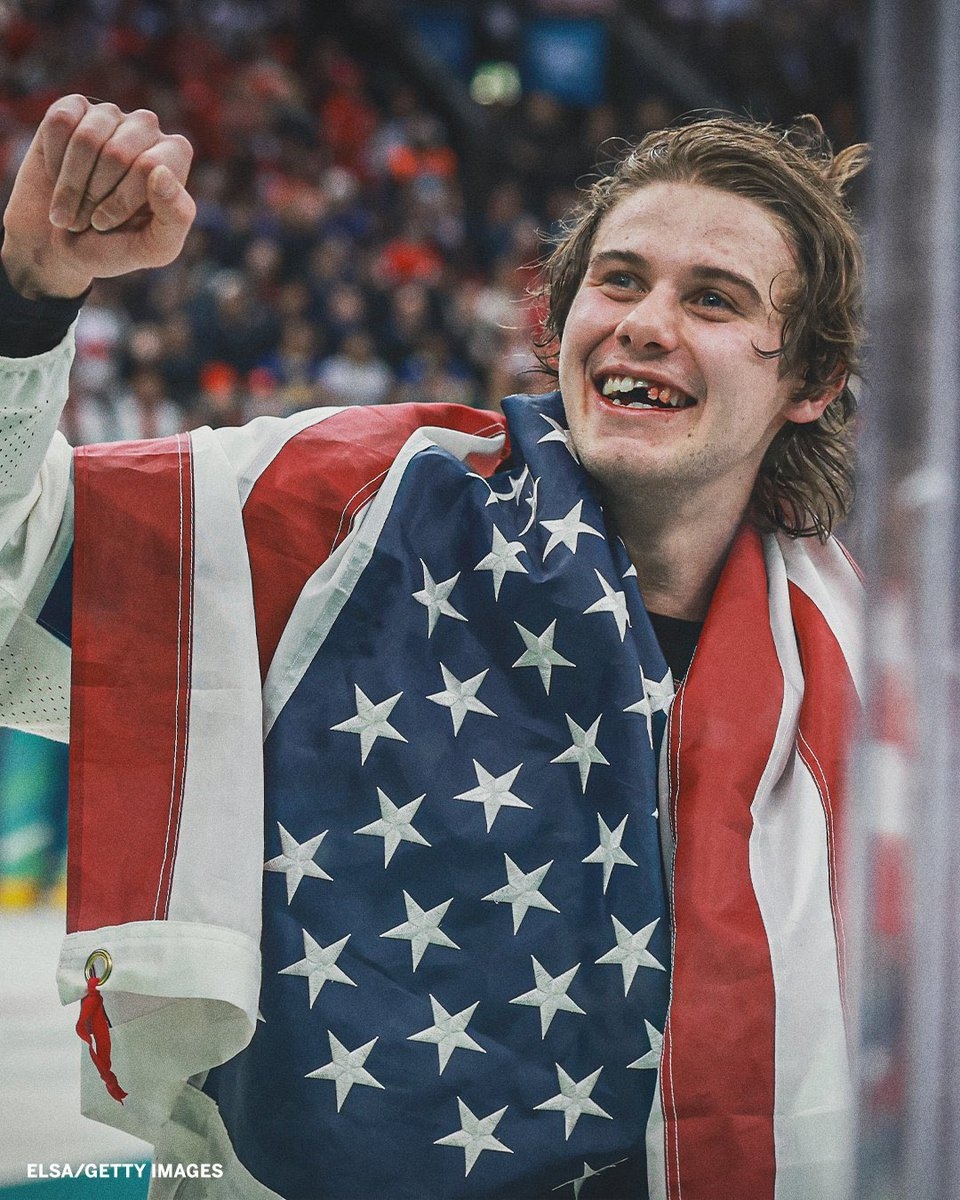
    Jack Hughes. The USA hockey teammate that scored the winning goal for the Olympic gold. Badass. Got 2 teeth knocked out earlier in the match. #GoUSA !!
    https://x.com/WhiteHouse/status/2025609872046252188 Jack Hughes. The USA hockey teammate that scored the winning goal for the Olympic gold. Badass. Got 2 teeth knocked out earlier in the match. #GoUSA !!
    On Fire
    1
    1 Commentarios 0 Acciones 2K Views
  • Been an insane past few weeks,battleing on/off being sick as it warms up here,potentially going to a industrial doom metal concert but not sure yet,there was a Doom metal brunch event I was going to the day before yesterday but just was too work out from the week,still working on music and the per usual artsy things,seeing the Psycho Killer film with my best friend tommarrow,very excited....
    Been an insane past few weeks,battleing on/off being sick as it warms up here,potentially going to a industrial doom metal concert but not sure yet,there was a Doom metal brunch event I was going to the day before yesterday but just was too work out from the week,still working on music and the per usual artsy things,seeing the Psycho Killer film with my best friend tommarrow,very excited....
    Dark Love
    1
    0 Commentarios 0 Acciones 4K Views
  • imma Get it get it
    imma Get it get it
    0 Commentarios 0 Acciones 263 Views
  • Just have to leave this here. LOL
    https://x.com/DoctorLemma/status/2010991456505446845
    Just have to leave this here. LOL https://x.com/DoctorLemma/status/2010991456505446845
    0 Commentarios 0 Acciones 643 Views
  • Seen on the news article:NYC Mayor-elect Zohran Mamdani’s first big move—appointing Lillian Bonsignore as FDNY Commissioner.

    She’s a respected 31-year FDNY veteran who led EMS through COVID and the 9/11 response…

    👉 But she has never served as a firefighter.

    In the announcement clip, the focus is heavily on her being a “trailblazer for the LGBTQ community” and the first openly gay FDNY commissioner—with Bonsignore herself saying experience fighting fires “won’t matter.”

    Priorities highlighted: identity, pay parity for EMS, and historic firsts.

    But when lives hang in the balance during a blaze, does the leader of the world’s bravest need actual firefighting command experience—or is symbolism enough?

    NYC firefighters risk everything daily. They deserve a boss who’s been in the flames, not just checking boxes.

    Merit over identity—or is this the future? Another form of DEI, I presume?
    Seen on the news article:NYC Mayor-elect Zohran Mamdani’s first big move—appointing Lillian Bonsignore as FDNY Commissioner. She’s a respected 31-year FDNY veteran who led EMS through COVID and the 9/11 response… 👉 But she has never served as a firefighter. In the announcement clip, the focus is heavily on her being a “trailblazer for the LGBTQ community” and the first openly gay FDNY commissioner—with Bonsignore herself saying experience fighting fires “won’t matter.” Priorities highlighted: identity, pay parity for EMS, and historic firsts. But when lives hang in the balance during a blaze, does the leader of the world’s bravest need actual firefighting command experience—or is symbolism enough? NYC firefighters risk everything daily. They deserve a boss who’s been in the flames, not just checking boxes. Merit over identity—or is this the future? Another form of DEI, I presume?
    Dark Love
    1
    2 Commentarios 0 Acciones 5K Views
  • #Military #MilitarySummary #naval #maritime #seas #oceans #thalassokrator #Strategy #fleet #FleetManagement #USA #UnitedStates
    https://www.iiss.org/publications/strategic-comments/2025/12/the-future-of-the-us-surface-fleet/
    #Military #MilitarySummary #naval #maritime #seas #oceans #thalassokrator #Strategy #fleet #FleetManagement #USA #UnitedStates https://www.iiss.org/publications/strategic-comments/2025/12/the-future-of-the-us-surface-fleet/
    WWW.IISS.ORG
    The future of the US surface fleet
    The United States Navy faces an inflection point in the design and sustainment of its surface fleet, as delays, cancellations and industrial shortfalls collide with rising operational demands. Forthcoming budget choices, industrial timelines and early tests of new uncrewed vessels will shape whether the fleet can regain momentum by the late 2020s.
    Dark Love
    1
    0 Commentarios 0 Acciones 5K Views
  • We train young men to drop fire on people, but their commanders won't allow them to write fuck on their airplanes because it's obscene! -Colonel Walter E. Kurtz
    We train young men to drop fire on people, but their commanders won't allow them to write fuck on their airplanes because it's obscene! -Colonel Walter E. Kurtz
    Goth Vibes
    On Fire
    2
    2 Commentarios 0 Acciones 3K Views
  • I'm releaved....still depressed but at least not anxious anymore...
    Admittedly, overreacted a little yesterday 😅 but honestly it was kinda good that I panicked. It pushed me to not drag this out another week and go to treat it immediately. Because it was early enough, they could still treat the inflammation with only a minor procedure. And no anesthesia or other medications are neededo far So I don't have to worry about my delaying blood test next week. So now back to the waiting game...
    I'm releaved....still depressed but at least not anxious anymore... Admittedly, overreacted a little yesterday 😅 but honestly it was kinda good that I panicked. It pushed me to not drag this out another week and go to treat it immediately. Because it was early enough, they could still treat the inflammation with only a minor procedure. And no anesthesia or other medications are neededo far So I don't have to worry about my delaying blood test next week. So now back to the waiting game...
    Dark Love
    1
    1 Commentarios 0 Acciones 2K Views
Resultados de la búsqueda
Patrocinados
Patrocinados
HeyFreaks.com https://heyfreaks.com