

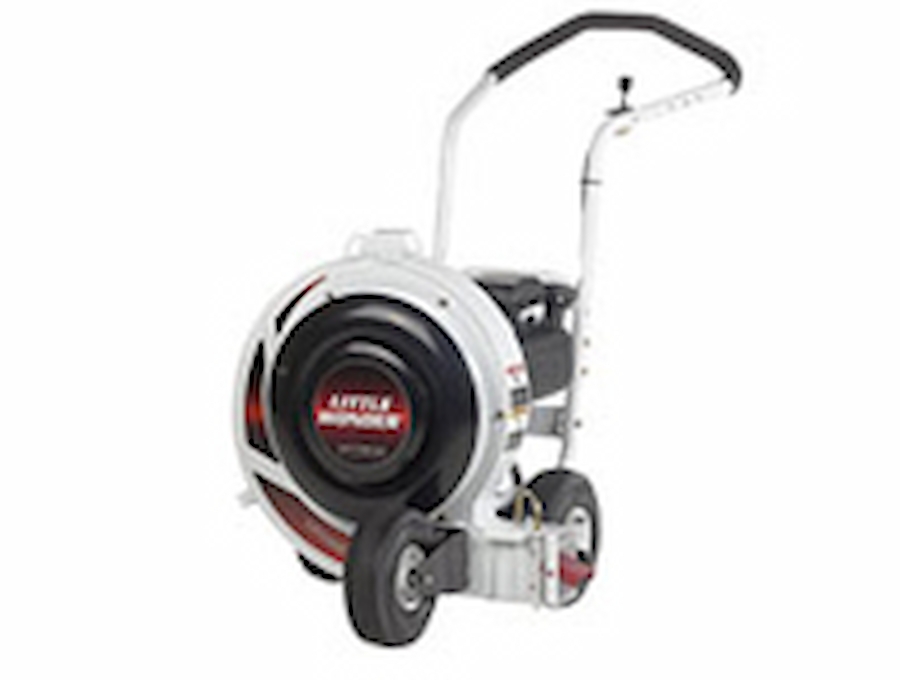

Keeping outdoor spaces clean and attractive requires dependable equipment that can handle leaves, grass clippings, dust, and other debris. Regular yard maintenance becomes more manageable when the right tools help reduce physical effort and save valuable time. Little Wonder blowers offer a practical solution for clearing lawns, driveways, walkways, gardens, and other outdoor areas. Their powerful airflow helps move unwanted debris efficiently, making routine cleanup easier for homeowners, landscaping professionals, and property maintenance teams. Choosing suitable blower equipment can improve productivity while supporting a consistently neat outdoor environment.
Understanding the Importance of Efficient Blower Equipment
Outdoor cleanup can become a demanding task when leaves, dirt, and grass clippings accumulate across large properties. Traditional manual methods often require considerable time and physical effort, especially during seasonal changes when debris collects quickly. Blower equipment helps simplify these responsibilities by directing concentrated airflow toward unwanted materials. This makes it easier to clear open spaces, move debris into manageable piles, and maintain cleaner surroundings without relying entirely on rakes or brooms.
Efficient cleanup equipment also supports a more organized maintenance routine. Instead of spending extended periods removing debris manually, property owners can complete essential tasks more quickly and focus on other outdoor responsibilities. A suitable blower can be useful for residential lawns, commercial landscapes, garden paths, parking areas, and recreational properties. Selecting equipment that matches the size and condition of the area helps improve results while reducing unnecessary effort during regular maintenance.
Powerful Airflow for Different Outdoor Applications
One of the main advantages of blower equipment is its ability to move different types of lightweight debris across outdoor surfaces. Leaves, dry grass, small twigs, dust, and loose clippings can collect in corners, along fences, and around landscape features. Directed airflow helps move these materials away from frequently used areas, creating a cleaner appearance and making final collection easier. This capability is especially useful for properties with trees, landscaped borders, and extensive paved surfaces.
Different outdoor environments require different cleanup approaches. A small residential yard may need occasional leaf removal, while a larger property may require frequent clearing across lawns, pathways, and shared spaces. Blower equipment can support both types of maintenance when selected according to the workload. Understanding how aerating practices improve lawn health can also help property owners build a more complete lawn care routine that addresses both surface cleanliness and underlying turf conditions.
Saving Time During Routine Property Maintenance
Time efficiency is an important consideration for anyone responsible for maintaining outdoor spaces. Large areas can take considerable effort to clean when debris must be gathered manually. Blowers help reduce the time spent moving loose materials from one location to another. Their airflow can direct leaves and clippings toward collection points, allowing maintenance workers to organize cleanup more efficiently and complete other tasks within the same work period.
Faster cleanup can also make regular maintenance easier to schedule. When debris removal becomes less time consuming, property owners may be more likely to address small accumulations before they develop into larger cleanup projects. Consistent attention helps keep walkways accessible, outdoor living areas presentable, and landscaped spaces orderly. For properties that also require regular mowing, reviewing zero turn mower selection and performance considerations can help create an efficient approach to managing both turf care and surrounding cleanup.
Supporting Residential and Commercial Landscapes
Residential properties benefit from blower equipment in several ways. Leaves can gather around patios, driveways, garden beds, and fences, while grass clippings may remain on paved surfaces after mowing. A blower helps clear these areas without requiring repeated manual sweeping. This makes it easier to maintain a tidy property throughout the growing season and prepare outdoor spaces for gatherings, recreation, and everyday use.
Commercial properties often have larger maintenance requirements. Offices, retail locations, institutions, and managed outdoor spaces may need frequent debris removal to maintain a professional appearance. Blowers can help maintenance teams address sidewalks, entrances, landscaped borders, and parking areas more efficiently. Consistent cleanup also helps prevent loose debris from spreading across the property. The right equipment can therefore contribute to a more organized maintenance process and help teams manage recurring outdoor responsibilities.
Choosing Equipment Based on Property Requirements
Selecting suitable blower equipment begins with understanding the work it will perform. Property size, debris volume, surface type, and cleanup frequency all influence which equipment may be appropriate. Smaller spaces may require a different approach than extensive lawns or commercial grounds. Buyers should consider how often the equipment will be used and whether it must handle occasional cleanup or demanding daily workloads.
Comfort and usability are also important factors. Equipment that is difficult to operate or maintain can make routine tasks less convenient. Buyers should evaluate handling, controls, portability, operating requirements, and maintenance needs before making a selection. It is also helpful to consider storage space and access to replacement parts. A well-matched blower can support dependable performance while helping users avoid purchasing equipment that is either unsuitable for the workload or unnecessarily complex.
Maintaining Blowers for Consistent Performance
Regular maintenance helps keep outdoor power equipment ready for routine use. Before operating a blower, users should inspect its exterior, check for visible damage, and ensure that important components are secure. Air intake and outlet areas should remain clear of accumulated debris. Following the manufacturer's maintenance instructions helps support reliable operation and can reduce the likelihood of avoidable performance problems.
Proper storage is equally important. Equipment should be kept in a clean, dry location away from excessive moisture and conditions that may cause unnecessary wear. After seasonal cleanup periods, users should remove accumulated dirt and inspect the equipment before putting it away. A broader approach to seasonal care can be found in this guide to winter mower and tractor storage, which highlights the value of preparing outdoor equipment for periods of limited use.
Improving Seasonal Cleanup and Yard Preparation
Different seasons create different outdoor maintenance challenges. Spring cleanup may involve removing branches, leftover leaves, and debris that accumulated during colder months. Summer maintenance often focuses on clearing grass clippings and keeping outdoor spaces presentable after frequent mowing. Autumn can bring heavier leaf accumulation, making efficient debris removal especially important for properties with mature trees and extensive landscaping.
Preparing equipment before seasonal demands increase can help prevent unnecessary interruptions. Users should inspect their equipment, review maintenance requirements, and ensure that it is ready for the expected workload. Seasonal lawn care also benefits from a coordinated approach to mowing, fertilizing, and debris management. Resources covering late-season mower care can provide additional perspective on preparing outdoor equipment and maintaining property conditions as the growing season changes.
Combining Blower Use With a Complete Lawn Care Routine
Blower equipment works best as part of a broader property maintenance strategy. Mowing, trimming, edging, debris removal, and general landscape care all contribute to a neat outdoor environment. Completing these tasks in a practical sequence can reduce repeated work. For example, clearing loose debris after mowing helps remove clippings from paved areas and creates a cleaner finish around the property.
Equipment efficiency also depends on thoughtful operation. Users should direct airflow toward suitable collection areas and avoid blowing debris into neighboring properties, roadways, or sensitive landscape features. Working in manageable sections can make cleanup more organized, particularly across larger spaces. Property owners interested in improving overall equipment productivity can explore ideas related to power and equipment efficiency when planning their maintenance routines.
Making Outdoor Cleanup More Convenient
The right blower can make recurring yard maintenance less demanding by reducing manual sweeping and helping users move debris efficiently. However, achieving good results requires more than choosing powerful equipment. Operators should understand the property's specific needs, follow safe operating practices, and maintain the equipment according to recommended guidelines. Wearing suitable protective equipment and being mindful of people, pets, vehicles, and nearby property can help create a safer cleanup process.
A consistent maintenance schedule can further improve the value of blower equipment. Removing debris before it accumulates heavily helps keep outdoor areas manageable throughout the year. Regular inspections and appropriate storage also support dependable operation over time. When equipment selection and maintenance practices work together, property owners can maintain cleaner surroundings with greater convenience and make better use of their available time.
Conclusion
Efficient outdoor maintenance depends on reliable equipment, consistent care, and a practical approach to recurring cleanup tasks. Powerful blowers help simplify the removal of leaves, grass clippings, dust, and other debris from lawns, pathways, driveways, and commercial landscapes. By considering property size, operating requirements, comfort, and maintenance needs, buyers can choose equipment that supports their everyday responsibilities. Proper operation and seasonal preparation further contribute to dependable performance. Eagle Power Kubota helps customers explore outdoor power equipment solutions suited to their property maintenance needs, making it easier to keep outdoor spaces clean, organized, and ready for everyday use.



