

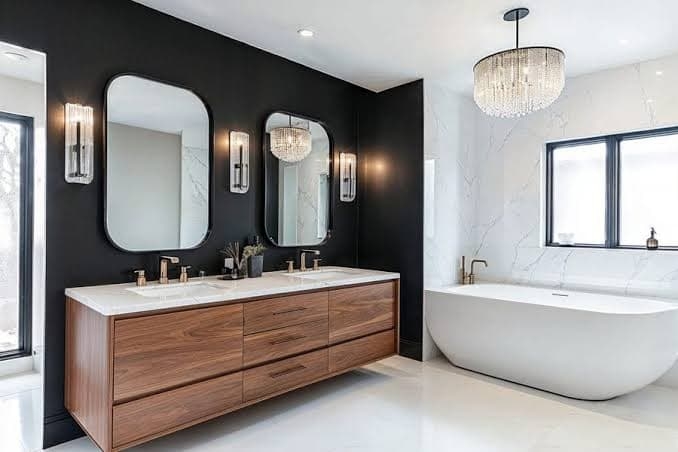
Bathroom Renovation Near Me: A Complete Guide to Transforming Your Bathroom

A bathroom is one of the most important spaces in any home. It is where people begin their mornings, prepare for the day and relax after busy schedules. However, an outdated design, damaged fittings, poor ventilation or inefficient plumbing can make this essential room less comfortable and practical. Whether you want to modernise a small bathroom, replace old fixtures or completely redesign the space, a professionally planned renovation can make a significant difference to your property.
When homeowners search for bathroom renovation near me, they are often looking for experienced professionals who can deliver quality workmanship, practical designs and reliable project management. A successful renovation involves much more than selecting attractive tiles and installing a new shower. It requires careful planning, suitable materials, plumbing knowledge, effective ventilation and attention to detail.
This guide explains the essential stages of bathroom renovation, popular design ideas, material choices, potential costs and the benefits of working with experienced renovation specialists. It also highlights how thoughtful improvements can increase everyday comfort, functionality and long-term property appeal.
Why Is Bathroom Renovation Important?
Bathroom renovation is an investment in the comfort, appearance and functionality of your home. Over time, bathrooms experience regular exposure to moisture, temperature changes and daily use. Consequently, fixtures, flooring, sealants and plumbing components can gradually deteriorate.
Renovating an older bathroom helps address these problems while creating a more attractive and practical environment.
Improve Everyday Comfort
An outdated bathroom may have limited storage, poor lighting, an uncomfortable layout or inefficient fixtures. Renovation provides an opportunity to improve these areas according to your household's requirements.
For example, replacing an old bathtub with a modern walk-in shower can make the space easier to access. Similarly, installing a larger vanity unit can provide additional storage and reduce countertop clutter.
Address Plumbing and Maintenance Problems
Leaking taps, damaged pipes, blocked drainage and persistent dampness should never be ignored. These problems can damage surrounding walls, flooring and structural materials if left unresolved.
A renovation allows professionals to inspect accessible plumbing components and identify issues that may require attention. Addressing problems early can help prevent more expensive repairs in the future.
Increase Property Appeal
A clean, modern and well-maintained bathroom can improve the overall impression of a property. Buyers and tenants often consider bathroom condition when evaluating a home.
Although renovation does not guarantee a particular increase in property value, quality improvements can make a property more attractive in a competitive housing market.
What Does a Professional Bathroom Renovation Include?
A complete renovation involves several interconnected services. The exact work depends on the bathroom's existing condition, available space and the homeowner's preferred design.
Bathroom Design and Space Planning
The first stage involves assessing the existing bathroom and developing a practical layout. Professionals consider the location of plumbing connections, electrical fittings, doors, windows and available floor space.
Good planning ensures that essential features work together without making the room feel overcrowded.
Important design considerations include:
· Positioning toilets, sinks and showers efficiently.
· Creating sufficient movement space.
· Selecting suitable storage solutions.
· Planning appropriate lighting.
· Choosing moisture-resistant finishes.
· Ensuring easy access to essential fixtures.
A carefully planned layout can make even a compact bathroom feel more spacious.
Plumbing and Pipework
Plumbing is a critical part of bathroom renovation. New showers, baths, toilets and basins must connect correctly to the water supply and drainage system.
Depending on the project's requirements, plumbing work may involve replacing old pipes, relocating connections, installing new taps or improving drainage arrangements.
Qualified professionals should assess the existing system before making significant changes. This helps ensure that the new installation operates reliably and complies with applicable building and plumbing requirements.
Flooring and Wall Installation
Bathroom floors and walls require materials that can withstand moisture and regular cleaning.
Popular options include ceramic tiles, porcelain tiles, natural stone and suitable waterproof wall panels. Each material offers different benefits in terms of appearance, durability, maintenance and cost.
Proper surface preparation and waterproofing are particularly important. Even high-quality tiles may not prevent water damage if the underlying installation is poorly completed.
Installing Modern Bathroom Fixtures
New fixtures can transform the appearance and usability of a bathroom.
Common upgrades include:
· Contemporary toilets and concealed cisterns.
· Modern washbasins and vanity units.
· Walk-in showers and shower enclosures.
· Freestanding or built-in bathtubs.
· Water-efficient taps and showerheads.
· Heated towel rails.
· Modern mirrors and bathroom accessories.
Choosing fixtures that complement the room's dimensions helps create a balanced and functional design.
Popular Bathroom Renovation Ideas for Modern Homes
Bathroom design continues to evolve as homeowners look for practical solutions that combine attractive finishes with everyday convenience.
Minimalist Bathroom Designs
Minimalist bathrooms focus on clean lines, uncluttered surfaces and simple colour combinations. Neutral shades such as white, beige and grey can create a calm atmosphere.
Wall-mounted vanity units, concealed storage and frameless shower screens also help maintain a streamlined appearance.
Walk-In Shower Installations
Walk-in showers are popular because they create an open and contemporary appearance. They can be particularly useful in smaller bathrooms where traditional shower enclosures take up valuable space.
However, proper drainage, waterproofing and floor gradients are essential to prevent water from spreading across the bathroom.
Smart Storage Solutions
Insufficient storage can make a bathroom difficult to maintain. Recessed shelving, mirrored cabinets, vanity drawers and built-in niches provide convenient places to organise everyday products.
These features help keep surfaces clear while making better use of available space.
Energy and Water-Efficient Features
Modern bathroom fixtures can help reduce unnecessary water and energy consumption.
For instance, efficient showerheads, dual-flush toilets and LED lighting can support more responsible household resource use.
Additionally, suitable insulation and efficient heating arrangements can improve comfort without unnecessary energy waste.
How to Choose the Right Bathroom Renovation Materials
Material selection affects the appearance, durability and maintenance requirements of your renovated bathroom.
Before purchasing products, consider their suitability for wet environments, installation requirements and long-term performance.
Choose Durable Flooring
Porcelain and ceramic tiles are popular choices because they are available in different colours, patterns and finishes.
For bathroom flooring, slip resistance should be an important consideration. A visually attractive surface is not necessarily suitable for an area that regularly becomes wet.
Select Moisture-Resistant Wall Finishes
Bathroom walls require finishes that can tolerate humidity and occasional water exposure. Appropriate tiles, waterproof panels and suitable protective coatings can help maintain the room's condition.
The correct installation method is just as important as the material itself.
Invest in Quality Fixtures
Taps, shower systems, toilets and basins are used frequently. Therefore, selecting reliable products can reduce maintenance requirements and improve the overall experience.
It is sensible to compare product specifications, warranties, maintenance requirements and compatibility with existing plumbing before making a purchase.
How Much Does a Bathroom Renovation Cost?
The cost of renovating a bathroom depends on several factors. There is no single price that applies to every property because the required work can vary considerably.
The main factors affecting renovation costs include:
Bathroom size: Larger bathrooms generally require more flooring, wall finishes and installation materials.
Existing condition: Damaged plumbing, water leaks, dampness or structural problems can increase the amount of preparation required.
Material selection: Premium tiles, designer fittings and customised furniture usually cost more than standard alternatives.
Plumbing changes: Moving a toilet, shower or basin may require additional pipework and drainage modifications.
Labour requirements: The number of specialists and the complexity of the installation influence overall labour costs.
Additional features: Underfloor heating, specialist lighting, custom storage and luxury shower systems can increase the project budget.
Homeowners should request a detailed written quotation before work begins. It should explain the labour, materials, installation requirements, estimated completion period and any exclusions.
It is also sensible to keep a contingency allowance for unexpected problems discovered during the renovation.
What Is the Bathroom Renovation Process?
Understanding the renovation process helps homeowners prepare their property and make informed decisions throughout the project.
Step 1: Initial Assessment
The renovation team examines the existing bathroom, discusses the homeowner's expectations and identifies potential problems.
This assessment helps establish which features can remain and which require replacement.
Step 2: Design and Budget Planning
After the assessment, the layout, materials, fixtures and overall budget are agreed upon.
Having a clear plan reduces unnecessary changes during construction and helps keep the project organised.
Step 3: Removal of Existing Fixtures
Old sanitaryware, flooring, tiles and damaged materials are removed as required.
Careful removal is important because hidden pipework and electrical components may be located behind existing surfaces.
Step 4: Plumbing and Electrical Work
Necessary plumbing modifications and electrical installations are completed before the final wall and floor finishes are installed.
Bathroom electrical work must follow relevant safety regulations, particularly around water sources.
Step 5: Waterproofing and Surface Preparation
Appropriate waterproofing systems are installed in the required areas. Walls and floors are then prepared for tiling and other finishes.
This stage plays an important role in protecting the surrounding structure against moisture damage.
Step 6: Fixture Installation and Finishing
New showers, toilets, basins, taps, cabinets, lighting and accessories are fitted.
The renovation team should also inspect connections, drainage, sealants and finishes to identify any issues before completion.
Step 7: Final Inspection
A final inspection checks the quality, operation and appearance of the completed bathroom.
Homeowners should confirm that taps, showers, toilets, drainage and electrical fittings work correctly before considering the project finished.
Why Hire Professional Bathroom Renovation Specialists?
Although some minor bathroom improvements can be completed independently, a full renovation often requires several different trades and specialist skills.
Professional support can make the process more organised and help reduce installation problems.
Access to Relevant Experience
Experienced renovation professionals understand how different bathroom components work together. Their knowledge can help identify potential problems involving plumbing, drainage, waterproofing and space planning.
Better Project Coordination
A renovation may involve plumbers, electricians, tilers and installation specialists. Coordinating these activities in the correct order helps avoid unnecessary delays and repeated work.
Attention to Safety and Regulations
Bathrooms combine water, electricity and frequently used fixtures. Correct installation is therefore essential.
Homeowners should check that relevant specialists have appropriate qualifications and follow applicable safety requirements.
More Consistent Workmanship
Professional installation can help achieve cleaner finishes, properly fitted fixtures and more reliable connections.
Before appointing a contractor, review previous projects, customer feedback, insurance details and written quotations.
How to Find a Reliable Bathroom Renovation Company
Choosing a suitable contractor is one of the most important decisions in any renovation project.
When researching bathroom renovation near me, homeowners should look beyond advertising claims and consider practical evidence of a company's reliability.
Here are several useful points to check:
1. Previous experience: Ask about similar bathroom renovation projects the company has completed.
2. Customer reviews: Read feedback to understand previous customers' experiences.
3. Portfolio: Review photographs of completed work, where available.
4. Written quotations: Request a clear breakdown of labour, materials and additional charges.
5. Communication: Choose professionals who explain the process and respond clearly to questions.
6. Insurance and qualifications: Check that relevant insurance and trade qualifications are in place.
7. Project timeline: Discuss the estimated start date, duration and arrangements for unexpected delays.
A reliable contractor should be willing to explain the proposed work and provide realistic information rather than promising results without inspecting the property.
Common Bathroom Renovation Mistakes to Avoid
Even an attractive design can create problems if essential practical considerations are overlooked.
Ignoring Waterproofing
Insufficient waterproofing can allow moisture to penetrate walls and floors. This may eventually cause mould, damaged finishes and expensive repairs.
Always ensure that suitable waterproofing measures are included in the renovation plan.
Choosing Appearance Over Functionality
Large fixtures and decorative features may look appealing but can make a small bathroom uncomfortable.
Prioritise movement space, storage, accessibility and practical daily use.
Underestimating the Budget
Unexpected plumbing repairs, material shortages and additional installation requirements can increase project costs.
A realistic budget should include an allowance for unforeseen expenses.
Overlooking Ventilation
Poor ventilation allows humidity to build up, increasing the risk of condensation and mould.
An appropriately sized extractor fan, suitable ventilation arrangements and regular maintenance can help manage moisture.
Making Changes During Installation
Frequent design changes can disrupt schedules and increase costs.
Finalise important decisions about fixtures, finishes and layout before the main installation work begins wherever possible.
Frequently Asked Questions About Bathroom Renovation
How long does a bathroom renovation usually take?
A straightforward renovation may take around one to two weeks, while larger projects involving structural changes, extensive plumbing or customised installations can take considerably longer. The exact timeframe depends on the property's condition, material availability and project complexity.
Can a small bathroom be renovated to look bigger?
Yes. Light colours, large mirrors, wall-mounted fixtures, glass shower screens and smart storage can make a small bathroom appear more spacious. A carefully planned layout can also improve movement and functionality.
Is waterproofing necessary during bathroom renovation?
Waterproofing is essential in areas exposed to water and moisture. Suitable systems help protect floors, walls and surrounding structures from water penetration. The installation should follow relevant building requirements and manufacturer instructions.
Should plumbing be replaced during a bathroom renovation?
Not every renovation requires complete plumbing replacement. However, ageing, damaged or unsuitable pipework should be assessed before new fixtures are installed. Addressing existing issues can help prevent future leaks and maintenance problems.
How can homeowners prepare for a bathroom renovation?
Homeowners should finalise their design preferences, establish a budget, select materials, discuss the project schedule and remove personal belongings from the work area. It is also useful to arrange alternative bathroom facilities if the property has only one bathroom.
Conclusion
A successful bathroom renovation combines thoughtful planning, durable materials, reliable plumbing, effective ventilation and professional installation. From modern walk-in showers and practical storage to attractive tiles and efficient fixtures, the right improvements can make an outdated bathroom more comfortable, functional and visually appealing.
Homeowners researching bathroom renovation near me should prioritise contractors who understand their requirements, communicate clearly and demonstrate consistent workmanship. Careful budgeting, suitable material selection and attention to waterproofing can also help protect the investment over the long term.
For homeowners considering improvements in Cambridge, Structure restauration ltd can be considered when exploring renovation requirements and planning a more practical living space. Taking time to assess the existing bathroom, compare professional quotations and agree on a clear project plan is an important first step towards achieving a bathroom that meets your household's needs.



