

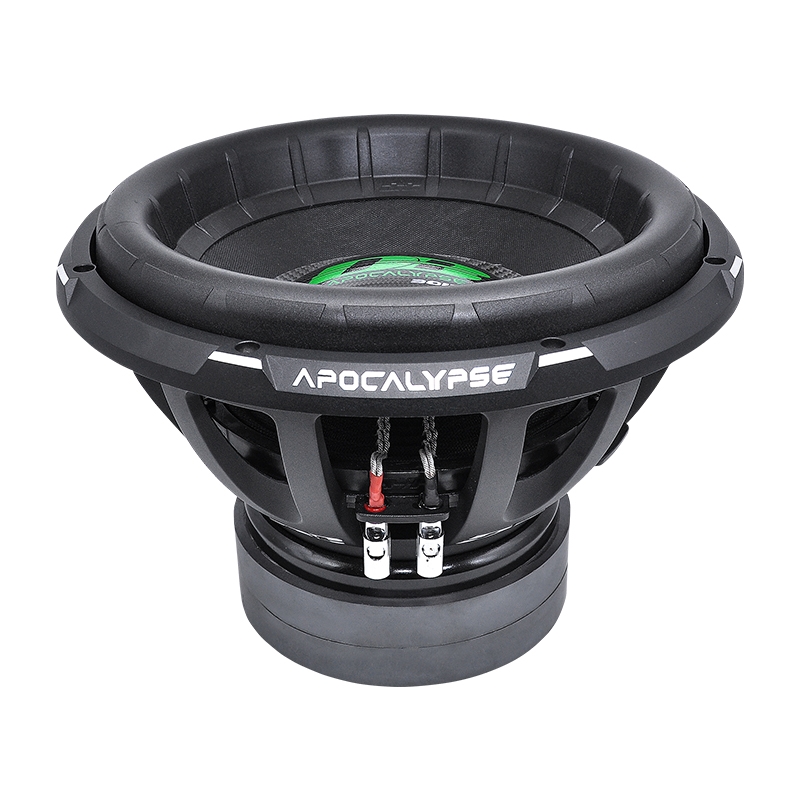
Deafbonce: Combining Powerful Audio Output with Precision Speaker Engineering

Modern car audio enthusiasts expect more from their sound systems than increased volume. They want speakers that reproduce vocals with clarity, maintain instrument separation, and deliver powerful output without losing control. Achieving this balance requires careful attention to driver construction, acoustic performance, amplifier compatibility, and installation quality. Every component contributes to the final listening experience, from the movement of the speaker cone to the way sound travels through the vehicle's cabin.
High-performance audio equipment brings together mechanical strength and acoustic precision. A speaker must handle electrical energy, convert it into sound efficiently, and maintain stable operation during demanding playback. Its design also needs to suit the intended application, whether the goal is detailed vocal reproduction, strong midrange projection, or full-range musical performance. Understanding these engineering principles helps buyers make informed decisions and build systems that deliver both impact and consistency.
The Engineering Behind Powerful Automotive Sound
A car speaker operates through a coordinated combination of electrical and mechanical components. When an audio signal reaches the voice coil, it interacts with the magnetic field created by the motor assembly. This movement drives the cone forward and backward, producing pressure waves that travel through the air as sound.
The accuracy of this process depends on how well the individual components work together. A strong motor assembly can provide the force needed for cone movement, while an appropriately designed suspension helps maintain controlled travel. The cone must also balance stiffness and weight to reproduce its intended frequency range without excessive unwanted movement.
For enthusiasts exploring precision-engineered car audio, these design characteristics deserve as much attention as advertised power ratings. A speaker's overall performance comes from its complete construction, not one isolated specification.
Speaker Components That Influence Performance
Understanding the major parts of a speaker makes it easier to evaluate its design and expected behavior.
Magnetic Motor Assembly
The motor assembly creates the magnetic field that interacts with the voice coil. Its strength, geometry, and construction influence how effectively the driver controls cone movement.
A properly designed motor helps the speaker respond to changes in the audio signal while maintaining predictable operation. However, a larger magnet does not automatically mean better sound. Motor design must work with the voice coil, suspension, and cone to produce the intended performance.
Voice Coil and Thermal Management
The voice coil converts electrical energy into mechanical movement. During extended playback, it also generates heat, particularly when the speaker operates at higher power levels.
Voice coil diameter, winding materials, former construction, and ventilation all contribute to thermal behavior. Effective heat management helps the driver maintain performance during demanding listening sessions.
Buyers should compare continuous power handling rather than relying only on peak wattage. A high maximum rating does not guarantee that a speaker can sustain that output under normal operating conditions.
Cone and Surround Construction
The cone moves air to create sound. Its material and shape influence weight, rigidity, and response characteristics.
A cone that is too flexible for its intended application may develop unwanted deformation during demanding movement. A design that is too heavy can also affect responsiveness if the motor and suspension are not properly matched.
The surround connects the cone to the frame while allowing controlled movement. Its flexibility and durability help determine how the driver behaves throughout its operating range.
Different Speaker Categories Serve Different Listening Goals
A complete car audio system may contain several types of speakers, each responsible for a particular part of the frequency spectrum. Selecting the right combination helps create a more complete and balanced sound.
Midrange speakers handle much of the vocal and instrumental information. Their performance influences speech intelligibility, musical presence, and the connection between bass and treble.
Tweeters reproduce high-frequency details such as cymbals, vocal textures, and the upper harmonics of musical instruments. Their placement and crossover settings strongly affect perceived brightness and soundstage.
Midbass drivers reproduce the upper bass and lower midrange region. They help provide weight to kick drums, bass guitars, and other instruments that need more impact than smaller high-frequency drivers can deliver.
Subwoofers focus on deep low-frequency reproduction. They add the foundation that gives bass-heavy music its physical presence.
These categories should complement one another. Installing powerful individual speakers without considering their frequency ranges can produce an uneven system with excessive output in some areas and insufficient detail in others.
Why Power Handling Must Be Evaluated Carefully
Power ratings help determine whether a speaker is suitable for a particular amplifier, but the numbers need proper interpretation.
RMS power handling describes the continuous power a speaker is designed to handle under specified conditions. Peak or maximum ratings generally refer to short-duration limits and should not be treated as everyday operating targets.
Amplifier output also depends on impedance. A speaker's resistance to alternating current affects how much power the amplifier can deliver. Before connecting equipment, confirm that the speaker's nominal impedance is supported by the amplifier.
A reliable system should provide enough clean power for the intended listening level without consistently pushing the drivers beyond their limits. Excessive power, clipping, incorrect wiring, and unsuitable crossover settings can all contribute to speaker failure.
Acoustic Performance Depends on More Than Loudness
High output attracts attention, but sound quality depends on how accurately a speaker reproduces the original recording. A system can play extremely loudly and still lack clarity if its frequency response is uneven or its components are poorly matched.
Three characteristics are particularly important:
-
Frequency balance: Bass, midrange, and treble should work together without one region dominating the presentation.
-
Distortion control: Drivers should maintain stable operation as playback levels increase.
-
Transient response: Speakers should reproduce sudden musical changes, such as drum hits and sharp percussion, with definition and control.
Listening tests should include different musical styles. Vocal recordings reveal midrange accuracy, acoustic instruments expose tonal weaknesses, and bass-heavy tracks help evaluate low-frequency control.
Comparing speakers under similar conditions also matters. Differences in amplifier power, equalization, enclosure design, and listening position can make an otherwise fair comparison misleading.
Enclosure Design and Vehicle Acoustics
The installation environment changes how a speaker performs. Door cavities, custom speaker pods, subwoofer boxes, and dashboard locations all create different acoustic conditions.
For subwoofers, enclosure volume and tuning have a major influence on bass response. Sealed enclosures can provide controlled low-frequency reproduction, while correctly designed ported enclosures can increase output around their tuning region.
Midrange and midbass drivers also benefit from secure mounting and suitable acoustic treatment. Weak door panels can vibrate and create unwanted noise, while air leaks around a speaker can reduce its ability to reproduce lower frequencies effectively.
The vehicle cabin introduces additional variables. Glass, seats, dashboards, and interior trim reflect and absorb sound differently. This is why a speaker that performs well in one vehicle may require different placement or tuning in another.
Building a Compatible Amplification and Electrical System
Speakers need a suitable signal and stable electrical support to operate correctly. An amplifier should match the connected drivers in terms of power output, impedance, and channel configuration.
Before installation, check the following:
-
Compare amplifier RMS output with each speaker's continuous power handling.
-
Confirm the amplifier supports the speakers' final impedance.
-
Select appropriate power and ground cable sizes.
-
Install correctly rated fuse protection near the battery.
-
Secure all electrical and speaker connections.
-
Provide sufficient amplifier ventilation to manage operating temperature.
Signal processing can also improve system integration. Digital sound processors allow installers to adjust crossover frequencies, equalization, time alignment, and output levels. These tools help compensate for differences in speaker placement and cabin acoustics.
However, processing cannot repair fundamental equipment mismatches. Suitable components and correct installation should come first, followed by careful tuning.
Installation Quality Makes the Engineering Count
Even a well-designed speaker can disappoint when installation standards are poor. Loose mounting hardware, incorrect polarity, damaged wiring, and insufficient clearance can affect both sound quality and reliability.
Use mounting hardware appropriate for the speaker and vehicle. Ensure that the cone and surround have enough room to move without contacting nearby surfaces. Protect wiring from sharp metal edges, moisture, heat, and moving components.
Check polarity across the system as well. When speakers operate out of phase, certain frequencies may become weaker at the listening position. Correct wiring helps maintain a more consistent acoustic response.
For complex installations involving multiple amplifiers, custom enclosures, or high-current electrical upgrades, professional installation can reduce the risk of wiring errors and equipment damage.
Turning Speaker Engineering Into a Better Listening Experience
Powerful sound and precision reproduction are not competing goals. A carefully planned system can provide strong output while preserving the details that make music engaging. The key is to select equipment according to its intended role and ensure that every component works within its recommended operating conditions.
Compare construction quality, RMS ratings, impedance, sensitivity, and frequency response before choosing speakers. Then consider the enclosure, amplifier, electrical system, and available installation space. These decisions create a stronger foundation than choosing equipment based on wattage claims alone.
For car audio enthusiasts, advanced speaker engineering offers the opportunity to build a system with greater impact, clearer musical detail, and dependable performance. When the design, installation, and tuning all work together, the result is a more complete listening experience that brings every part of the recording to life.



