

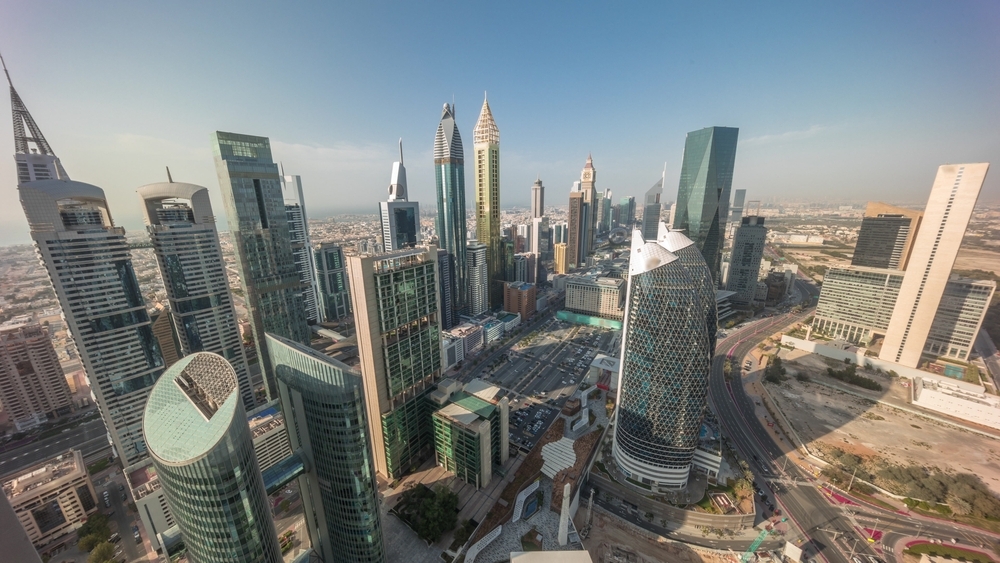
Energy Efficiency in Dubai Homes: Smart Ways to Save Energy and Reduce Bills

Energy efficiency in Dubai homes has become an important consideration for homeowners, tenants, and property investors. Dubai's hot climate creates a high demand for air conditioning, which can increase household electricity consumption. By choosing energy-efficient features and adopting smart daily habits, residents can improve indoor comfort while reducing unnecessary energy use.
An energy-efficient home uses less electricity and water to provide the same level of comfort. It also supports sustainable living, lowers operating costs, and can make a property more attractive to future Freehold Commercial Property buyers and tenants. Understanding these benefits can help people make better decisions when buying, renting, or upgrading a home in Dubai.
Why Energy Efficiency Matters in Dubai Homes
Dubai experiences hot weather for much of the year, so cooling systems play a major role in residential energy consumption. When a home allows too much heat to enter, the air conditioning system must work harder to maintain a comfortable temperature.
Energy efficiency helps reduce this cooling demand. Proper insulation, efficient appliances, and smart temperature controls can limit energy waste and improve the home's overall performance.
Benefits of Energy-Efficient Homes
Energy-efficient homes offer several practical benefits. They can help residents manage electricity bills, maintain comfortable indoor temperatures, and reduce pressure on cooling systems. These features may also improve tenant satisfaction and support the long-term appeal of a residential property.
For property investors, lower operating costs and better indoor comfort can make a home more competitive in Dubai's real estate market.
Best Ways to Improve Energy Efficiency in Dubai Homes
Homeowners do not always need major renovations to improve energy performance. Simple improvements can reduce energy waste, while larger upgrades may provide long-term benefits.
Upgrade to Energy-Efficient Air Conditioning
Air conditioning is one of the most important systems to consider in Dubai homes. An efficient AC unit can provide effective cooling while using less electricity than an older, poorly maintained system.
Maintain Your AC System
Clean AC filters regularly and arrange professional maintenance when needed. Dirty filters and blocked airflow can reduce cooling performance and increase energy consumption.
Choose a suitable temperature instead of setting the thermostat unnecessarily low. A comfortable setting can help reduce the workload on the cooling system.
Improve Thermal Insulation
Thermal insulation helps reduce heat transfer through walls, ceilings, and roofs. In Dubai, good insulation can prevent outdoor heat from entering the home and help maintain indoor comfort.
Proper insulation supports cooling efficiency and may reduce the need for continuous air conditioning. Buyers should check the quality of insulation when evaluating a residential property.
Install Energy-Efficient Windows
Windows can allow sunlight and heat to enter a home. Double-glazed windows, low-emissivity glass, and suitable window coverings can help reduce solar heat gain.
Curtains and blinds also provide a simple way to limit direct sunlight during the hottest parts of the day. These improvements can support better indoor temperature control.
Use LED Lighting and Smart Home Technology
LED lighting consumes less electricity than traditional bulbs and usually lasts longer. Replacing older lights with LEDs is a simple improvement for apartments and villas.
Smart thermostats and home automation systems can help residents control cooling and lighting more efficiently. These systems allow users to adjust settings according to their daily routines and avoid unnecessary energy use.
How to Reduce DEWA Bills in Dubai
Residents can manage household energy consumption by understanding which appliances use the most electricity. Air conditioning, water heating, and large household appliances can contribute significantly to utility costs.
Check your DEWA bill regularly to understand monthly electricity and water consumption. Compare usage across different months and identify changes that may result from cooling demand or household habits.
Switch off lights when leaving a room, avoid running appliances unnecessarily, and use energy-efficient washing machines and refrigerators where possible. These small actions can help reduce waste over time.
Water conservation also supports sustainable living. Fix leaking taps, use water efficiently, and consider water-saving fixtures. Reducing hot water use can also lower the energy required for water heating.
Energy Efficiency in Dubai Apartments and Villas
Energy-saving solutions may differ depending on the type of property. Apartments often rely on central air conditioning or district cooling systems, while villas may have individual cooling units and larger areas to maintain.
Apartment residents should check window insulation, AC controls, and the efficiency of household appliances. Tenants can often make simple improvements without changing the building structure.
Villa owners may have more opportunities to improve roof insulation, install solar panels, use shaded outdoor areas, and upgrade cooling systems. Landscaping can also reduce direct sunlight around the property when planned carefully.
Energy Efficiency and Dubai Property Investment
Energy efficiency can influence the long-term operating costs and appeal of a property. Buyers should consider more than the purchase price when evaluating a home. Cooling expenses, maintenance requirements, and building quality can affect the overall cost of ownership.
When learning how property valuation works, buyers should understand that property value depends on several factors, including location, condition, market demand, and building features. Energy-efficient improvements may support a property's appeal, but they do not guarantee a higher valuation.
Investors comparing Freehold Commercial Property with residential options should also consider energy consumption, building maintenance, and the expected operating costs of each property type.
How to Choose an Energy-Efficient Home in Dubai
Before purchasing a home, inspect its cooling system, windows, insulation, and overall building condition. Ask the seller or property manager about available utility records and maintenance history.
A practical property inspection can help buyers identify potential energy-saving improvements before making a decision.
People who want to understand how to buy property in Dubai should include energy performance in their property checklist. It can help them compare homes more carefully and consider long-term costs alongside location and price.
Buyers can also explore Freehold Commercial Property opportunities by reviewing the building's energy systems, maintenance arrangements, and suitability for their intended use.
Frequently Asked Questions
1. How can I make my home more energy efficient in Dubai?
Maintain your AC system, improve insulation, use LED lighting, install efficient appliances, and reduce unnecessary electricity use.
2. What uses the most electricity in Dubai homes?
Air conditioning often represents a major part of household electricity consumption because of Dubai's hot climate. Other appliances and water heating also contribute.
3. Can energy-efficient homes reduce DEWA bills?
Yes. Energy-efficient appliances, better cooling performance, and reduced energy waste can help lower electricity consumption. Actual savings depend on the property and household habits.
4. Are energy-efficient homes more expensive in Dubai?
Some homes may cost more because they include advanced systems or sustainable features. However, buyers should compare the purchase price with potential operating costs and maintenance needs.
5. Is solar energy suitable for homes in Dubai?
Solar energy can be suitable for certain properties, particularly villas with appropriate roof space. Owners should assess installation costs, system performance, and applicable approval requirements before investing.
Conclusion
Energy efficiency in Dubai homes helps residents improve comfort, manage utility costs, and reduce unnecessary energy consumption. From efficient air conditioning and thermal insulation to LED lighting and solar energy, several solutions can support better home performance.
For homeowners, tenants, and investors, energy efficiency is a practical part of choosing and maintaining a property. By checking these features before buying or upgrading a home, residents can make more informed real estate decisions and support a more sustainable lifestyle.



