

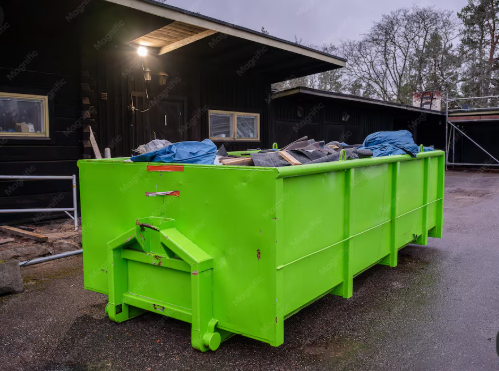

Managing household waste responsibly is an important part of maintaining a clean home and protecting the environment. From everyday packaging and old furniture to garden clippings and unwanted household items, homes produce different types of rubbish that need to be sorted and disposed of correctly.
The good news is that many common household materials can be recycled instead of being sent directly to landfill. Understanding what can be recycled helps households reduce unnecessary waste, conserve natural resources, and make better disposal decisions.
Whether you're completing a spring clean, clearing out your garage, or preparing for a home renovation, knowing the different recycling options can make household waste management easier.
Let's explore the types of household waste that can often be recycled and how skip bin hire in Adelaide can help with larger clean-up projects.
1. Paper and Cardboard Waste
Paper and cardboard are among the most commonly recycled household materials. Most homes regularly collect cardboard boxes, newspapers, magazines, and other paper products.
Common recyclable paper and cardboard items include:
-
Newspapers and magazines
-
Office paper and envelopes
-
Clean cardboard boxes
-
Paper packaging
-
Cereal and delivery boxes
-
Paper bags
These materials can be processed into new paper products and packaging.
Before recycling, remove excessive tape, plastic wrapping, and other non-paper materials. Cardboard should also be kept as clean and dry as possible because food contamination and moisture can affect recycling quality.
For households managing a large amount of packaging after moving house or purchasing furniture, proper household rubbish removal can help keep recyclable materials separate.
2. Plastic Bottles and Containers
Plastic waste is another common part of household rubbish. However, not every plastic product can be recycled through standard household recycling systems.
Commonly accepted items may include:
-
Plastic drink bottles
-
Milk containers
-
Cleaning product bottles
-
Some food containers
-
Certain plastic packaging
Empty containers and remove leftover food or liquids before placing them in the appropriate recycling bin.
Plastic recycling rules can vary depending on local council services and the type of plastic. Checking local guidelines is important before disposing of unusual packaging.
Reducing single-use plastics and choosing reusable products can also help households minimise their overall waste.
3. Glass Bottles and Jars
Glass is a valuable recyclable material because many types can be processed and made into new glass products.
Common household glass items that may be accepted include:
-
Glass drink bottles
-
Sauce bottles
-
Food jars
-
Jam jars
-
Other accepted glass packaging
Containers should generally be emptied before recycling. Lids and caps may need to be separated according to local collection requirements.
It is important to remember that drinking glasses, mirrors, window glass, and ceramic items are not usually accepted in standard glass recycling bins because their composition differs from packaging glass.
Separating these materials correctly supports better recycling waste management.
4. Metal Cans and Aluminium Products
Metal is another household material that can often be recycled. Aluminium and steel can be recovered and processed into new products.
Examples include:
-
Aluminium drink cans
-
Steel food tins
-
Empty metal food containers
-
Certain metal packaging
-
Clean aluminium trays, where accepted
Recycling metal helps reduce the need for extracting new raw materials and can save energy during manufacturing.
Before recycling, empty food containers and follow local instructions for rinsing and sorting.
Larger metal objects, such as old shelving or damaged metal furniture, may require a separate collection or suitable waste disposal service.
5. Garden Waste and Green Waste
Garden maintenance can produce considerable amounts of organic waste, particularly during seasonal clean-ups.
Common garden waste includes:
-
Grass clippings
-
Leaves
-
Small branches
-
Hedge trimmings
-
Weeds
-
Garden plants
Many of these materials can be composted or processed into mulch and other useful organic products.
However, not all green waste is suitable for every recycling facility. Soil, treated timber, large tree stumps, and contaminated garden materials may have different disposal requirements.
For larger garden clean-ups, choosing an appropriate skip bin hire service can provide a convenient way to collect accepted green waste in one place.
6. Old Furniture and Household Items
When decluttering or upgrading a home, unwanted furniture and household items can create significant amounts of rubbish.
Some items may be reused, donated, repaired, or recycled instead of being thrown away.
Examples include:
-
Wooden furniture
-
Metal bed frames
-
Tables and chairs
-
Bookshelves
-
Storage cabinets
-
Certain mattresses and household fittings
The best option depends on the item's condition and the recycling facilities available.
Furniture that is still in usable condition may be better suited to donation or resale. Damaged items may need to be separated into recyclable components where possible.
Planning residential waste removal carefully can help reduce the amount of reusable material sent to landfill.
7. Electronic Waste
Electronic waste, commonly known as e-waste, includes unwanted electrical and electronic equipment.
Common examples include:
-
Old computers and laptops
-
Keyboards and computer accessories
-
Mobile phones
-
Printers
-
Small electrical appliances
-
Televisions
Many electronic products contain valuable materials that can be recovered through specialist recycling programs.
However, electronics should not automatically be placed in general household rubbish or standard skip bins. Batteries and electronic components may require dedicated collection facilities.
Look for approved e-waste recycling programs or local collection points to dispose of these items responsibly.
8. Clothing and Textiles
Old clothing and household textiles can also be managed more sustainably.
Examples include:
-
Shirts and trousers
-
Jackets and coats
-
Towels
-
Bedsheets
-
Blankets
-
Curtains
Clothing in good condition can often be donated or reused. Some textile recycling programs also accept damaged fabrics that cannot be worn again.
Before disposing of textiles, check whether local donation centres or recycling facilities accept them.
Reducing textile waste is another simple way to support more responsible household waste management.
9. Batteries and Household Hazardous Waste
Batteries, paint, chemicals, cleaning products, and certain household liquids need special attention.
These materials should not be placed in ordinary recycling bins or general skip bins unless the provider specifically accepts them.
Batteries can contain substances that create fire or environmental risks when handled incorrectly. Paints, oils, pesticides, and chemicals may also require specialist disposal.
Use approved household hazardous waste collection services and follow local council guidance.
Understanding these restrictions is essential when organising eco-friendly waste disposal at home.
How Can Skip Bin Hire Help With Household Recycling?
During large household clean-ups, separating and managing different types of waste can become challenging.
A skip bin provides a convenient collection point for suitable rubbish generated during decluttering, moving house, garden maintenance, and renovation projects.
Professional skip bin hire services can help households manage larger quantities of waste without making repeated trips to disposal facilities.
Before booking, check which materials the provider accepts and whether recyclable items need to be separated.
Choosing the correct bin size is also important. Smaller bins may suit minor household clean-ups, while larger options can accommodate more substantial projects.
For residents looking for affordable skip bin hire in Adelaide, comparing bin sizes, accepted materials, weight allowances, and collection arrangements can help identify a suitable service.
Why Choose Formula Skips for Household Waste Removal?
Managing household rubbish becomes easier when you have a convenient waste removal solution.
Formula Skips provides skip bin hire across Adelaide and surrounding South Australian communities, helping homeowners, builders, and businesses manage different types of suitable waste.
With skip bin sizes ranging from 2 m³ to 9 m³, customers can choose an option that suits their household clean-up, garden project, or renovation requirements.
The company offers a 24/7 online booking system with instant quotes, making it convenient to arrange waste removal. Same-day delivery is available for eligible bookings made before 7 AM, subject to availability.
Formula Skips also focuses on responsible waste management, recycling more than 95% of collected waste.
Whether you're clearing out unwanted household items, managing garden waste, or completing a renovation, Formula Skips offers practical waste removal options to help keep your property organised.
Conclusion
Many types of household waste can be recycled, including paper, cardboard, plastic bottles, glass containers, metal cans, and suitable garden materials. Furniture, clothing, and electronic items may also be reused or recycled through appropriate programs.
The key is understanding which materials are accepted by local recycling facilities and separating waste correctly before disposal.
For larger household clean-ups, skip bin hire Adelaide can provide a convenient way to manage suitable rubbish while supporting more responsible waste disposal.
With the right planning and a reliable waste management service like Formula Skips, households can reduce landfill waste and make everyday clean-up projects easier to manage.



