

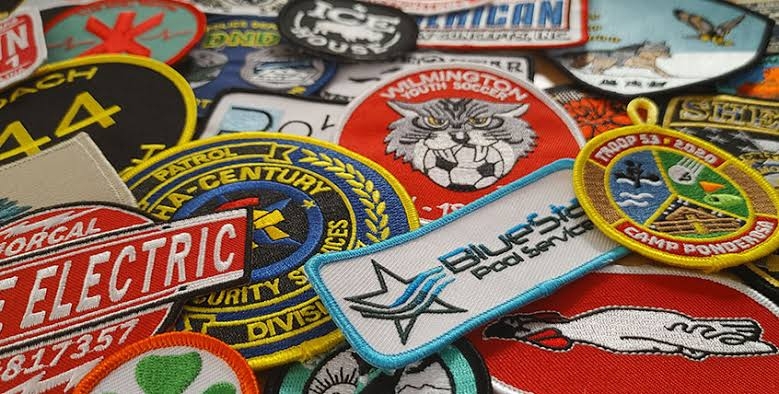
Ordering custom patches wholesale is a practical option for businesses, clothing brands, sports teams, schools, and organizations that need multiple patches with a consistent design. However, before placing a wholesale order, it is important to understand the pricing, customization options, and production requirements.
A clear quote helps you compare suppliers, plan your budget, and choose patches that match your needs. Whether you are ordering embroidered logos for uniforms or custom patches for merchandise, providing the right information can make the quoting process easier.
1. Decide Which Type of Custom Patch You Need
Start by choosing the patch style you want. Different patch types have different appearances, materials, and production methods. Your choice should depend on the design and where the patches will be used.
Some common options include:
-
Embroidered patches: Suitable for company logos, uniforms, jackets, and team apparel.
-
Woven patches: Useful for detailed artwork, smaller lettering, and designs with fine lines.
-
PVC patches: A flexible option for outdoor gear, tactical equipment, and products that need a molded appearance.
-
Chenille patches: Commonly used on varsity jackets, school apparel, and bold lettering designs.
-
Leather patches: Popular for clothing brands, hats, bags, and jackets.
-
Sublimated patches: Useful for artwork with gradients, photographs, and multiple colors.
When requesting a quote, mention your preferred patch type. If you are unsure, share your design and intended application so the supplier can help you identify suitable options.
2. Provide the Patch Size and Shape
Patch dimensions are important because they can affect material usage, production work, and overall pricing. Before contacting a supplier, estimate the finished width and height of your patch.
For example, a small logo for a cap will have different dimensions from a large back patch for a jacket. If you are unsure about the measurements, explain where the patch will be placed and provide a reference image.
You should also specify the shape. Common choices include circles, rectangles, ovals, shields, and custom-cut shapes. Providing these details helps the supplier understand the design requirements and prepare a more accurate quote.
3. Confirm the Wholesale Quantity
Quantity is one of the most important details in a wholesale quote. Suppliers may offer different per-patch prices depending on the number of pieces ordered.
Before requesting pricing, estimate how many patches you need. A business ordering employee uniforms may calculate the quantity based on staff numbers, while a clothing brand may estimate its next production run.
If you are still deciding, ask for pricing at a few different quantities. For example, you could compare the cost of 50, 100, and 250 pieces if those quantities suit your project.
Always check both the total order price and the price per patch. A lower unit price may require a larger investment, so choose a quantity that makes sense for your actual needs.
4. Share Your Artwork and Design Requirements
A supplier needs to understand your design before calculating the cost. Provide a high-quality logo file, digital artwork, or a clear reference image whenever possible.
Mention important details such as:
-
Logo and text placement
-
Preferred colors
-
Border and edge style
-
Small lettering or intricate elements
-
Any specific design requirements
If you only have a rough sketch, ask whether the supplier can work from it. You should also confirm whether a digital proof will be provided before production.
Review the proof carefully to check spelling, colors, dimensions, and proportions. This helps reduce the chance of approving a design that does not match your expectations.
5. Choose the Right Backing
Backing affects how the patch attaches to clothing, bags, or equipment. The right option depends on how the finished patch will be used.
Common backing choices include:
-
Sew-on backing: Suitable for patches that need to be attached securely and remain in place.
-
Iron-on backing: Designed for heat application on compatible fabrics.
-
Hook-and-loop backing: Useful when patches need to be removed or replaced.
Not every backing is suitable for every garment or patch type. Explain how you plan to use the patches and ask the supplier which options are available for your design.
6. Ask What the Wholesale Quote Includes
A useful quote should explain the complete cost of your order rather than showing only a unit price.
Before making a decision, ask whether the quote includes artwork preparation, setup charges, backing, shipping, taxes, or other applicable fees. You should also confirm the production timeline, delivery estimate, payment terms, and any minimum order requirements.
Remember that wholesale patch pricing can vary according to several factors:
-
Patch type and material
-
Finished dimensions
-
Order quantity
-
Design complexity
-
Stitching or printing requirements
-
Backing and finishing options
When comparing suppliers, make sure you are comparing the same specifications. Otherwise, a cheaper quote may not represent the same product or service.
7. Request Your Custom Patches Wholesale Quote
Once you have the main details ready, contact your chosen supplier with your artwork, patch type, size, shape, quantity, backing preference, and delivery requirements.
If you are planning a larger order, you can explore custom patches wholesale options from The Eagle Patches. Share your project requirements through the quote form so the team can review your specifications and provide relevant pricing information.
Before approving the order, review the final quote and artwork proof. Make sure the quantity, design, dimensions, backing, and delivery details are correct.
Final Thoughts
Requesting a wholesale quote for custom patches does not have to be complicated. The process becomes easier when you know which patch type you need, have an estimated size and quantity, and can provide clear artwork.
Take time to compare complete quotes, understand the available customization options, and confirm production details before placing your order. This approach can help you choose a supplier and get custom patches that fit your design, budget, and business requirements.



