

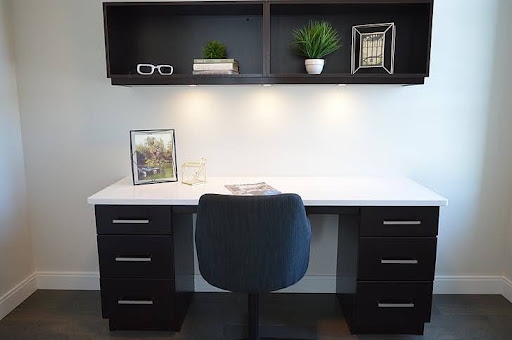

Office furniture plays an important role in creating organized and functional working environments. Among the essential furniture pieces, workstation tables provide employees with dedicated spaces for completing daily tasks, using computers, managing documents, and collaborating with colleagues. A properly designed workspace can make better use of available office space while supporting different working arrangements. Understanding workstation styles, materials, dimensions, and practical features helps businesses plan furniture layouts that suit their operational requirements.
What Is an Office Workstation Table?
An office workstation table is a desk designed for individual or shared workplace activities. Unlike traditional standalone desks, workstation tables can be arranged in different configurations to accommodate multiple employees within the same office area.
These tables are commonly used in corporate offices, educational institutions, customer service departments, and shared working environments. Depending on the layout, they may include storage compartments, privacy panels, cable openings, and additional desk space for office equipment.
Different Types of Office Workstation Tables
Workstation furniture is available in several configurations to accommodate different office layouts and employee requirements.
Single-Person Workstations
Single workstations provide individual working areas for employees. They are suitable for smaller offices, private workspaces, and departments where employees require separate desks.
Two-Person Workstations
Two-person configurations allow employees to work alongside each other while maintaining designated desk spaces. These arrangements can be useful for smaller teams and offices with limited floor areas.
Back-to-Back Workstations
Back-to-back workstation systems position desks opposite each other. They can create organized seating arrangements and help businesses accommodate several employees within a shared office environment.
Cluster Workstations
Cluster workstations combine multiple desks into a single layout. They are commonly used in larger offices where departments require several connected working spaces.
L-Shaped Workstations
L-shaped desks provide additional surface area for computers, documents, monitors, and other equipment. Their configuration can also help separate different work activities.
Materials Used in Workstation Furniture
The material used in a workstation affects its appearance, maintenance requirements, and everyday functionality.
Engineered Wood
Engineered wood is widely used in office furniture manufacturing. It can be finished with laminates in different colors and textures, allowing businesses to coordinate workstation designs with their interior layouts.
Metal Frames
Metal frames provide structural support for workstation tables. Their finishes and designs vary depending on the furniture style and construction requirements.
Glass Elements
Some contemporary workstation designs incorporate glass elements. These can create a lighter visual appearance when combined with wood or metal components.
Laminate Surfaces
Laminate finishes are commonly used on office desks because they are available in various patterns and colors. They also provide a practical surface for everyday workplace activities.
Important Features of Modern Workstations
A workstation should provide more than a flat working surface. Several additional features can support organization and daily office use.
Cable Management
Computers, monitors, chargers, and networking devices require different cable connections. Cable grommets and routing openings can help keep wires organized around the desk.
Storage Options
Drawers, cabinets, and side pedestals provide space for documents, stationery, and personal office items.
Privacy Panels
Partitions can create visual separation between employees in shared workspaces. Their height, material, and configuration depend on the workstation design.
Desk Dimensions
The desk should provide sufficient surface area for the equipment and activities associated with each employee's role. Available floor space and movement requirements should also be considered.
Ergonomics and Employee Comfort
Workstation planning should consider employee posture and comfort. Desk height, chair adjustment, monitor placement, and available legroom can influence how comfortably employees use their workspaces.
An appropriate office chair should allow suitable seating adjustments, while the workstation should provide enough space for keyboards, monitors, and documents. Proper monitor positioning can also help employees maintain a comfortable working posture.
Cosmo Furniture Store and Office Workstation Solutions
Cosmo Furniture Store provides office furniture options for businesses in Dubai and the UAE. Its range includes workstation designs, office desks, chairs, reception furniture, and storage solutions for different workplace environments.
When reviewing workstation options, businesses can consider dimensions, materials, colors, configurations, and customization requirements. These details help determine whether a particular design is suitable for the available office space and daily working activities.
Planning a Workstation Layout
A well-planned office layout considers how employees move and interact throughout the workplace. Before arranging desks, businesses should measure the available area and identify entrances, walkways, electrical points, windows, and storage locations.
Workstations should be positioned to allow comfortable movement between desks. Lighting and ventilation should also be considered when planning employee seating arrangements.
Businesses with larger teams may benefit from modular furniture layouts because individual units can sometimes be rearranged when departments expand or office requirements change.
Maintenance and Long-Term Use
Regular maintenance helps keep office furniture in suitable working condition. Desk surfaces should be cleaned according to their material requirements, while drawers, handles, frames, and connecting components should be inspected periodically.
Avoiding excessive loads and following the manufacturer's care instructions can also help maintain furniture condition. Damaged or loose components should be checked and addressed appropriately.
Conclusion
An office workstation table is an essential part of modern workplace planning. Different configurations, materials, storage options, and cable-management features allow businesses to create working environments suited to their employees and available office space.
By considering desk dimensions, ergonomics, furniture materials, maintenance, and overall layout, businesses can make informed decisions when organizing their offices. Cosmo Furniture Store offers workstation and office furniture options that can be evaluated according to different workplace requirements.



