

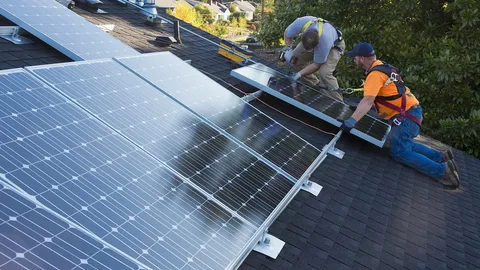
How Can Everett Homeowners Match Solar Energy Production to Their Daily Electricity Needs?

Everett homeowners can make better solar energy decisions by reviewing household electricity usage, identifying peak-demand periods, evaluating roof conditions, and choosing a system suited to their needs. A professional assessment helps determine how photovoltaic panels, inverters, electrical upgrades, and energy-efficient improvements can work together in a residential property.
Why Should Homeowners Match Solar Production With Electricity Consumption?
Choosing Solar Installation Company in Everett , WA involves understanding how much electricity a home uses and when that electricity is needed. A system that produces substantial power during daylight hours may not cover every household demand, especially during evenings or periods of limited sunlight.
For homeowners searching for a solar energy company in Everett, Washington, understanding consumption patterns is an important first step. It helps establish realistic expectations for system size, potential electricity savings, and the value of complementary electrical improvements.
Start by reviewing your utility bills, identifying major appliances, and considering any planned changes to the home. These details can help a qualified professional develop a solar proposal based on actual household requirements rather than a generic system recommendation.
What Should You Review Before Choosing a Residential Solar System?
A solar installation should reflect the property's physical conditions and the household's energy needs. Before requesting estimates, review the following factors.
-
Electricity consumption: Examine approximately 12 months of utility bills to understand seasonal changes and overall usage.
-
Roof suitability: Consider roof condition, available space, orientation, and shading from trees or nearby buildings.
-
Electrical infrastructure: Assess the existing panel, wiring, and protection equipment for compatibility with the proposed installation.
-
Future demand: Account for planned kitchen renovations, electric vehicle charging, heating equipment, or other new electrical loads.
-
Energy goals: Decide whether your priority is reducing grid electricity use, preparing for future demand, or exploring backup power options.
These considerations help homeowners compare solar installation proposals more effectively and understand which improvements may be necessary.
How Do Solar Panels Supply Electricity to a Home?
Residential solar systems use photovoltaic panels to convert sunlight into direct-current electricity. An inverter then converts this electricity into alternating current suitable for most household appliances.
Depending on system design and utility arrangements, solar electricity may supply household loads while excess generation can be exported to the grid under applicable rules. When solar production is insufficient, the home can draw electricity from the grid.
In Everett, actual solar production varies with weather, daylight hours, roof orientation, shading, and equipment performance. Cloudy conditions can reduce output, but panels can still generate electricity from diffuse daylight.
Homeowners should request a property-specific production estimate and verify current interconnection requirements with the relevant utility provider, including Snohomish County PUD where applicable.
Which Electrical Improvements Can Support a Solar-Ready Home?
Solar planning can be an opportunity to review the wider electrical system. The following services may be relevant depending on the property's condition and the homeowner's goals.
Solar
Solar services include assessing the property's suitability, planning photovoltaic equipment, and evaluating the system's connection to the residential electrical network. A suitable design should consider expected electricity production, household consumption, equipment compatibility, and applicable permitting requirements.
Electric panel upgrades
Electric panel upgrades may be necessary if the existing panel is damaged, lacks suitable capacity, or cannot accommodate the proposed system under applicable requirements. An electrician should assess the panel before recommending an upgrade, since not every solar installation requires one.
Residential service
Residential service covers electrical installation, repair, inspection, and improvement work throughout the home. Reviewing the existing electrical system can help homeowners address safety concerns and prepare for additional equipment before undertaking a solar project.
Troubleshooting
Troubleshooting helps identify problems such as recurring breaker trips, faulty outlets, malfunctioning circuits, or unusual electrical behavior. Resolving relevant issues before or after a solar installation can help maintain safe operation and make it easier to identify the source of future problems.
LED lighting
LED lighting offers an energy-efficient alternative to many traditional bulbs. Replacing suitable older lighting with LED products can reduce electricity consumption, helping homeowners manage demand alongside a residential solar system.
Lighting upgrades
Lighting upgrades can improve visibility and usability in kitchens, living rooms, garages, and outdoor areas. Efficient fixtures and appropriate controls may reduce unnecessary energy use while modernizing the home's lighting design.
Generators
Generators can supply backup electricity during certain outages when properly sized and installed with suitable transfer equipment. Homeowners considering both solar and generator backup should confirm system compatibility with a qualified professional because not all equipment can operate together safely.
Kitchen upgrades
Kitchen upgrades can add appliances, outlets, dedicated circuits, and new lighting. Considering these changes during solar planning helps homeowners account for future electricity demand and determine whether any electrical improvements should be coordinated.
How Can Homeowners Estimate Their Solar Energy Requirements?
A useful starting point is to understand the home's annual electricity consumption. The next step is to ask a qualified solar professional to estimate how much electricity a proposed system could produce at the property.
A practical planning process is:
-
Collect recent electricity bills and calculate annual usage.
-
Identify appliances or renovations that may increase future consumption.
-
Request a site assessment that considers roof orientation, shading, and available space.
-
Compare proposed system sizes using estimated annual production and documented assumptions.
-
Review equipment warranties, installation costs, maintenance needs, and applicable utility requirements.
Avoid choosing a system based only on its advertised capacity. Actual output depends on installation conditions, weather, equipment, and system configuration.
Should You Add Battery Storage to a Solar System?
Battery storage allows suitable solar electricity to be stored for later use. Depending on the equipment and system configuration, a battery may help a household use more of its own solar generation after sunset or provide backup power during an outage.
However, batteries add cost and require careful planning. Homeowners should consider their outage concerns, electricity usage patterns, battery capacity, backup loads, warranty terms, and installation requirements before deciding.
A standard grid-connected solar system generally shuts down during a utility outage unless it has appropriately designed equipment that supports backup operation. A battery alone does not guarantee that every circuit in the home will remain powered.
Frequently Asked Questions About Residential Solar Planning
How do I know what size solar system my home needs?
Start with your electricity bills, roof conditions, and expected future energy use. A qualified installer can use these details to estimate suitable system capacity and expected annual production.
Can solar panels power my home at night?
Solar panels do not generate electricity without available light. At night, a home generally uses grid electricity or stored energy from a compatible battery system.
Will solar panels eliminate my electricity bill?
Not necessarily. A home may still incur utility charges or draw electricity from the grid when solar production is insufficient. Actual bill changes depend on system size, consumption, utility rates, and applicable billing arrangements.
Do I need to replace my electrical panel before installing solar?
Not always. The decision depends on the existing panel's condition, capacity, system design, and applicable electrical requirements. A qualified electrician can determine whether an upgrade is necessary.
Can I improve energy efficiency before installing solar?
Yes. Efficient lighting, suitable appliance improvements, and repairs to existing electrical problems may help reduce unnecessary electricity consumption. Lowering demand can inform decisions about the appropriate solar system size.
Plan Your Solar and Electrical Project With ACES International LLC
A well-planned solar project starts with understanding how your home uses electricity today and how those needs may change in the future. Reviewing consumption, evaluating the roof, and assessing the electrical system can help homeowners make more informed decisions.
ACES International LLC is a contact for homeowners exploring solar energy and related electrical services in Everett, Washington.
For information about solar, residential service, electric panel upgrades, troubleshooting, generators, LED lighting, lighting upgrades, and kitchen upgrades, call 425-289-9846 to discuss your project requirements.



