

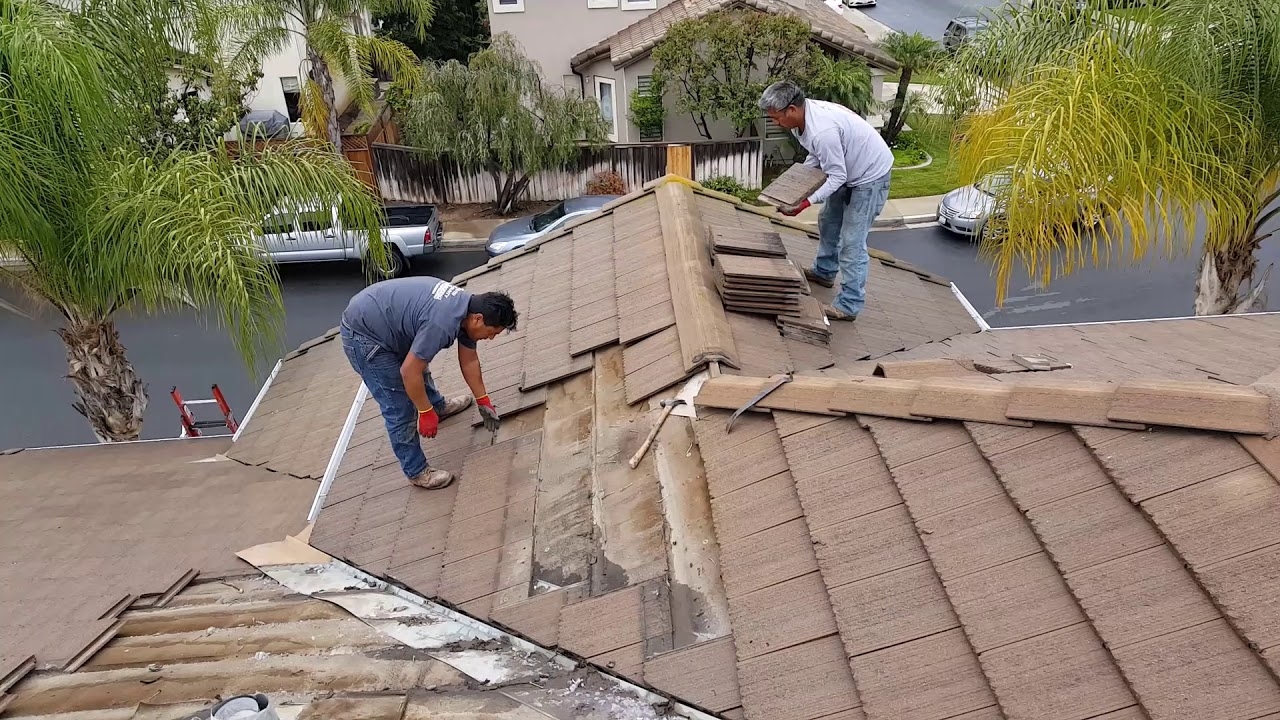
What Should Homewood Property Owners Know About Roof Underlayment Before Problems Begin?

Professional Roofing Installation Service in Homewood, AL, provides an important layer of protection beneath roofing materials, helping limit moisture intrusion when rain or wind-driven water gets past the outer surface. Choosing suitable underlayment, installing it correctly, and maintaining shingles, flashing, and roof ventilation can help protect a property's roof system.
Why Does Roof Underlayment Matter for Birmingham Properties?
A roof is more than the visible layer of shingles or metal panels. Its performance depends on several connected components that work together to manage moisture and protect the structure. Roof underlayment sits between the roof decking and the exterior roofing material, creating a secondary barrier against water.
In Birmingham and Homewood, changing weather conditions and periods of heavy rain make proper roof-system installation especially important. Underlayment can help reduce the risk of water reaching the decking if roofing materials become damaged or water enters around vulnerable areas.
However, underlayment is not a replacement for quality shingles, secure flashing, effective drainage, or professional installation. Every component must work together to help maintain long-term roof performance.
What Does Roof Underlayment Do?
Roof underlayment helps protect the roof structure from moisture that passes beneath the primary roofing material. Its performance depends on the product selected, the roof's design, installation quality, and the manufacturer's requirements.
Key functions include:
-
Secondary moisture protection: Helps limit water exposure to roof decking when rain gets beneath shingles or other roofing materials.
-
Decking protection: Adds a protective layer over the wood surface that supports the roofing system.
-
Support for roofing materials: Works beneath asphalt shingles, metal roofing, and other approved roof coverings.
-
Weather resistance: Helps strengthen the roof system's overall defense against moisture when correctly selected and installed.
-
System durability: Supports the performance of other roof components without eliminating the need for inspections and maintenance.
How Do Shingles, Flashing, and Underlayment Work Together?
A roof performs best when its components form a coordinated moisture-management system.
Asphalt shingles or metal panels provide the primary exterior covering. Underlayment adds a secondary barrier beneath that covering, while flashing helps protect transitions and openings where water could enter. Roof decking provides the structural surface, and ridge and soffit vents help support appropriate attic airflow when correctly designed.
Gutters and downspouts then move rainwater away from the building. If any component fails, the risk of moisture intrusion can increase.
For example, damaged flashing around a chimney may allow water to reach the underlayment repeatedly. If moisture continues reaching the roof decking, wood deterioration or interior ceiling stains may eventually develop. Repairing the underlying cause is more effective than treating only the visible stain.
When Should Roof Underlayment Be Inspected?
Underlayment is generally concealed beneath the outer roofing material, so its condition may not be visible during a routine ground-level inspection. Certain warning signs, however, can indicate a roofing-system problem that deserves professional attention.
Look for these signs:
-
Water stains on ceilings or upper walls.
-
Shingles that are missing, cracked, lifted, or deteriorating.
-
Rusted, loose, or damaged flashing around roof penetrations.
-
Soft or deteriorating roof decking discovered during authorized inspection.
-
Persistent attic moisture, damp insulation, or unexplained musty odors.
These symptoms do not automatically prove that the underlayment has failed. Roof leaks can also result from flashing defects, damaged shingles, blocked drainage, condensation, or other issues. A professional assessment helps identify the source before repairs are recommended.
Which Roofing Services Can Help Protect Your Property?
1. Roofing Installation
Professional Roofing Installation involves more than attaching shingles or metal panels. The process includes evaluating the roof decking, selecting compatible underlayment, installing flashing, and following the roofing manufacturer's specifications. Correct installation helps create a coordinated system designed to manage water and withstand everyday weather exposure.
2. Roof Replacement
Roof Replacement may be appropriate when roofing materials have widespread deterioration, recurring leaks, or damage that makes continued repairs impractical. During replacement, the roofing team can assess exposed decking, replace unsuitable materials, and install new underlayment before applying the selected roof covering.
3. Roofing Repairs
Roofing Repairs address localized problems such as damaged shingles, loose flashing, leaks, and weather-related defects. Finding the source of moisture is essential because replacing visible roofing material alone may not correct damage beneath the surface. Timely repairs can help prevent minor defects from developing into more extensive property concerns.
4. Commercial Roofing
Commercial Roofing requires a solution suited to the building's roof design, drainage requirements, roofing membrane or panel system, and operational needs. Businesses in the Birmingham area can benefit from inspections that evaluate seams, penetrations, water pooling, and moisture exposure to determine whether targeted repairs or broader improvements are needed.
How Can Homeowners Reduce the Risk of Moisture Damage?
Although underlayment provides an important protective layer, the complete roofing system needs ongoing attention. Property owners can reduce avoidable risks by keeping drainage paths clear, checking for visible roof damage after severe weather, and arranging professional inspections when warning signs appear.
A practical maintenance approach includes monitoring gutters, checking attic areas for moisture, and addressing damaged flashing or roof coverings promptly. Homeowners should avoid walking on steep or damaged roofs because doing so can create safety risks and cause further damage.
What Should You Ask Before Approving Roofing Work?
Before starting a roofing project, ask the contractor to explain the proposed materials, installation method, and areas requiring attention. A clear estimate should identify the work included, the roofing materials being installed, and any conditions that may require additional repairs.
Consider asking:
-
Which underlayment product is proposed, and is it compatible with my roofing material?
-
Will the roof decking be inspected when accessible?
-
How will flashing, roof penetrations, and drainage details be addressed?
-
What workmanship and manufacturer warranties apply?
-
How will unexpected damage discovered during the project be documented and priced?
These questions help property owners understand the scope of work and make informed decisions instead of choosing a roofing solution based on price alone.
Frequently Asked Questions
Is roof underlayment necessary beneath asphalt shingles?
Underlayment is commonly required as part of asphalt-shingle roofing systems, subject to applicable building codes and manufacturer instructions. The exact product and installation requirements depend on the roof design and local regulations.
Can roof underlayment stop every roof leak?
No. Underlayment provides secondary moisture protection, but it cannot compensate for every installation defect, damaged roof covering, failed flashing detail, or drainage problem. The entire roof system must be designed and maintained properly.
Does underlayment need replacement when shingles are replaced?
When a roof is replaced, the condition and suitability of the existing underlayment should be evaluated. Replacement may be appropriate depending on its condition, the new roofing system's requirements, applicable codes, and the manufacturer's instructions.
How can I tell if underlayment is damaged?
Because underlayment is normally concealed, direct confirmation often requires a qualified professional to inspect the roofing system. Leaks, damaged decking, and visible roof deterioration can indicate a problem but do not establish underlayment failure by themselves.
Who can assess roofing problems in Homewood, AL?
Property owners can contact a local roofing professional to evaluate visible damage, investigate leaks, and determine whether repairs, replacement, or a more detailed inspection is appropriate.
Protect Your Roof With Complete Homeworks Inc
A dependable roof relies on compatible materials, correct installation, effective drainage, and timely attention to developing problems. Understanding the role of underlayment can help Birmingham and Homewood property owners ask better questions and make informed roofing decisions.
For assistance with Roofing Installation, Roof Replacement, Roofing Repairs, or Commercial Roofing, contact Complete Homeworks Inc at (205) 837-9947.



