


Diaphragm Pump: Working Principle, Types, Applications, and Benefits
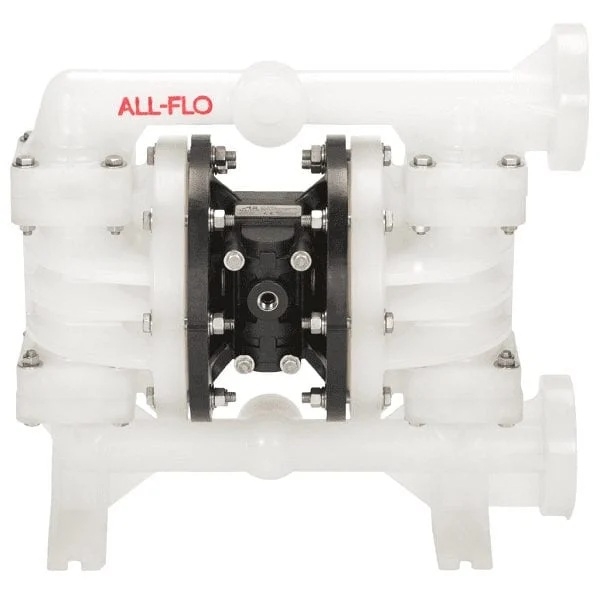
A diaphragm pump is a versatile pumping solution used across industries to transfer liquids, chemicals, slurries, and other fluids safely and efficiently. Known for its reliable operation, ability to handle challenging fluids, and flexible design options, this pump is widely used in chemical processing, water treatment, manufacturing, oil and gas, food production, and pharmaceutical applications.
Businesses often choose diaphragm pumps when they require controlled fluid transfer, resistance to certain corrosive substances, or the ability to handle liquids containing suspended solids. Understanding how a diaphragm pump works, its different types, and its practical applications can help engineers and procurement teams select the right equipment for their operational requirements.
What Is a Diaphragm Pump?
A diaphragm pump is a positive displacement pump that moves fluid through the repeated movement of a flexible membrane, known as a diaphragm. The diaphragm separates the pumped liquid from the mechanical or driving components, depending on the pump design.
As the diaphragm moves backward, it creates suction inside the pumping chamber, drawing fluid through an inlet valve. When the diaphragm moves forward, it reduces the chamber volume and pushes the fluid through an outlet valve.
This alternating action enables the pump to transfer liquids without relying on a traditional rotating impeller in direct contact with the fluid.
Diaphragm pumps are available in several configurations, including air-operated double-diaphragm pumps, mechanically driven diaphragm pumps, and electrically operated models. Each design offers different performance characteristics, making it suitable for particular flow rates, pressures, fluid properties, and operating environments.
How Does a Diaphragm Pump Work?
The working principle of a diaphragm pump is based on changes in the volume of a pumping chamber.
1. Suction Stage
During the suction stroke, the diaphragm moves away from the pumping chamber. This increases the chamber volume and reduces the internal pressure, allowing fluid to enter through the inlet valve.
The inlet check valve opens while the outlet valve remains closed, directing the incoming fluid into the chamber.
2. Discharge Stage
During the discharge stroke, the diaphragm moves toward the pumping chamber, reducing its volume and increasing the fluid pressure.
The inlet valve closes, and the outlet valve opens, allowing the fluid to leave the chamber and enter the discharge line.
3. Continuous Pumping Action
The suction and discharge stages repeat to maintain fluid movement. Many diaphragm pumps use two pumping chambers operating alternately to improve flow continuity.
Air-operated double-diaphragm pumps use compressed air to move the diaphragms, while mechanically and electrically driven models use different mechanisms to produce the required movement.
Because the pumping action depends on diaphragm displacement and check valves, correct valve selection and regular inspection are important for maintaining performance.
Types of Diaphragm Pumps
Different diaphragm pump designs are available to meet industrial and commercial fluid-handling requirements.
Air-Operated Double-Diaphragm Pumps
Air-operated double-diaphragm pumps, commonly known as AODD pumps, use compressed air to move two flexible diaphragms. Their alternating operation allows fluid to be drawn into one chamber while being discharged from the other.
These pumps are popular in industrial environments because they can handle many types of liquids, including viscous fluids and certain slurries. Depending on the materials and configuration, they can also transfer corrosive chemicals.
AODD pumps are commonly used in chemical plants, paint manufacturing, wastewater treatment, printing operations, and industrial fluid transfer.
They generally do not require an electric motor at the pump itself, which can be useful in certain applications. However, the compressed-air supply requires energy, and the pump's suitability for hazardous areas must be assessed according to its complete installation and certification.
Mechanically Operated Diaphragm Pumps
Mechanically operated diaphragm pumps use a motor-driven mechanism to move the diaphragm. Their relatively simple design makes them suitable for applications that require dependable fluid transfer at specified flow rates and pressures.
These pumps are commonly used in water treatment systems, agricultural equipment, dosing applications, and smaller industrial installations.
Their performance depends on factors such as diaphragm material, operating speed, pressure requirements, and the properties of the pumped liquid.
Electrically Operated Diaphragm Pumps
Electrically operated diaphragm pumps use an electric motor or electromagnetic mechanism to drive the pumping action. They are available in different designs, including compact pumps for equipment and larger systems for industrial applications.
Some electrically driven models are designed for precise dosing, making them useful in water treatment, laboratory equipment, chemical injection, and process control.
When selecting an electric diaphragm pump, users should evaluate power requirements, control options, flow accuracy, operating pressure, and compatibility with the intended fluid.
Hydraulic Diaphragm Pumps
Hydraulically actuated diaphragm pumps use hydraulic pressure to move the diaphragm. They are often selected for specialised industrial applications that require controlled fluid delivery at particular pressure conditions.
Depending on the design, these pumps may be used for chemical dosing, process applications, and fluid transfer in demanding industrial environments.
Key Applications of Diaphragm Pumps
Diaphragm pumps serve a wide range of industries because different configurations can handle diverse fluid properties and operating conditions.
Chemical Processing
Chemical plants use diaphragm pumps to transfer acids, alkalis, solvents, additives, and other process liquids. Selecting compatible wetted materials is essential to prevent chemical attack, leakage, and premature component failure.
Air-operated models are often considered where flexible installation and the ability to handle challenging fluids are important.
Water and Wastewater Treatment
Water treatment facilities use diaphragm pumps for chemical dosing, transferring treatment chemicals, and handling selected wastewater streams.
Metering diaphragm pumps can deliver controlled quantities of chemicals used in disinfection, pH adjustment, and other treatment processes.
The pump's materials, dosing accuracy, and pressure rating should match the chemical and system requirements.
Oil and Gas
In the oil and gas sector, diaphragm pumps may be used for chemical injection, sampling, and transferring certain process fluids.
Applications can involve demanding pressures, temperatures, and fluid characteristics. Equipment selection must therefore consider process specifications, applicable industry standards, hazardous-area requirements, and the manufacturer's operating limits.
Food and Beverage Processing
Certain diaphragm pumps are used to transfer food ingredients, syrups, sauces, and other process fluids. Hygienic models may feature suitable construction materials, cleanable designs, and connections intended for food-processing environments.
Businesses should verify the pump's hygienic certifications, cleaning requirements, and material compatibility before using it in food production.
Pharmaceutical and Biotechnology Industries
Pharmaceutical facilities may use specialised diaphragm pumps for transferring process liquids and dosing ingredients. Applications requiring sanitary conditions may need validated cleaning procedures and materials that meet relevant industry requirements.
The correct pump depends on the fluid, required precision, contamination controls, and process validation requirements.
Paint, Ink, and Coatings
Manufacturers of paints, inks, adhesives, and coatings use diaphragm pumps to transfer liquids with varying viscosities. Depending on their configuration, these pumps can support material transfer between storage tanks, mixing vessels, and production equipment.
Correct seal and diaphragm selection is important when handling solvents and abrasive or chemically aggressive materials.
Advantages of Using a Diaphragm Pump
Diaphragm pumps offer several benefits when selected for suitable applications.
Versatile fluid handling: Different models can transfer liquids ranging from relatively thin chemicals to certain viscous fluids and slurries.
Reduced leakage risk: The diaphragm separates the pumped fluid from some of the pump's drive components. This can reduce the risk of leakage through a rotating shaft seal, although other leak paths remain possible.
Material flexibility: Diaphragms, valve components, and pump bodies are available in different materials to suit various chemicals and operating environments.
Self-priming capability: Many diaphragm pumps can self-prime under specified conditions, reducing the need for manual priming. Actual suction performance depends on the model, fluid properties, and installation.
Dry-running tolerance: Some air-operated diaphragm pumps can tolerate dry running for limited or specified periods. This capability should never be assumed for every design or operating condition.
Flexible installation: Certain diaphragm pumps can operate in different orientations and are suitable for a variety of industrial layouts, provided the manufacturer permits the installation arrangement.
How to Choose the Right Diaphragm Pump
Choosing a diaphragm pump requires a clear understanding of the application and its operating conditions.
Determine Flow Rate and Pressure
Calculate the required flow rate and discharge pressure, including losses caused by pipe length, fittings, valves, and elevation changes.
Selecting a pump based only on its maximum advertised flow rate may result in insufficient performance under actual operating conditions.
Check Chemical Compatibility
Confirm that the diaphragm, pump body, valves, seals, and other wetted components are compatible with the fluid being transferred.
Factors such as concentration, temperature, abrasiveness, and chemical exposure time can affect material suitability.
Consider Fluid Viscosity and Solids
Viscous liquids and fluids containing suspended particles can influence flow rate, suction performance, valve operation, and component wear.
Provide the supplier with details about the fluid's viscosity, particle size, solids concentration, and operating temperature.
Evaluate the Power Source
Determine whether compressed air, electricity, mechanical drive, or hydraulic power is most suitable for the installation.
For air-operated pumps, consider compressed-air availability and operating costs. For electric models, check the required power supply and any hazardous-area certification requirements.
Review Maintenance and Spare Parts
Ask about diaphragm replacement intervals, valve maintenance, spare-part availability, and technical support. Easy access to replacement components can reduce downtime and simplify routine servicing.
Maintenance Tips for Diaphragm Pumps
Regular maintenance helps maintain pumping efficiency and extend equipment service life.
Inspect diaphragms for cracks, swelling, wear, or chemical damage. Check valves for debris, sticking, and worn sealing surfaces. Monitor unusual noise, vibration, leakage, reduced flow, or changes in air consumption.
Follow the manufacturer's instructions for cleaning, lubrication where applicable, and replacement of wear components. Before performing maintenance, isolate the pump from its power source, depressurise the system, and follow the required safety procedures.
Keeping records of operating conditions and maintenance activities can also help identify recurring problems and improve equipment reliability.
Conclusion
A diaphragm pump is a versatile fluid-handling solution used in chemical processing, water treatment, manufacturing, food production, and numerous other industrial applications. Its positive displacement operating principle, adaptable materials, and availability in different configurations make it suitable for a wide range of pumping requirements.
Choosing the right model involves evaluating flow rate, pressure, fluid compatibility, viscosity, power source, and maintenance requirements. By matching the pump design to the application and following appropriate installation and maintenance practices, businesses can achieve reliable fluid transfer and improve overall process efficiency.
- Goth Lifestyle
- Fashion & Style
- Music & Bands
- Art & Photography
- Creative Writing & Poetry
- Events & Scene
- Occult & Spirituality
- DIY & Tutorials
- Beauty & Self-Care
- Relationships & Dating
- Gaming & Media
- Tech & Gadgets
- Body Art & Piercings
- Underground Culture
- Spotlights & Interviews
- Travel & Places
- Lifestyle & Daily Life
- Fitness & Health
- Travel & Adventure
- Books & Literature
- Tech & Gaming
- Movies & TV
- Food & Drinks
- Humor & Memes
- Pets & Animals
- General Arts & Crafts

 English
 Arabic
 French
 Spanish
 Portuguese
 Deutsch
 Turkish
 Dutch
 Russian
 Romaian
 Portuguese (Brazil)
 Greek
