


What Is Full Coverage Car Insurance? What Does It Actually Cover?
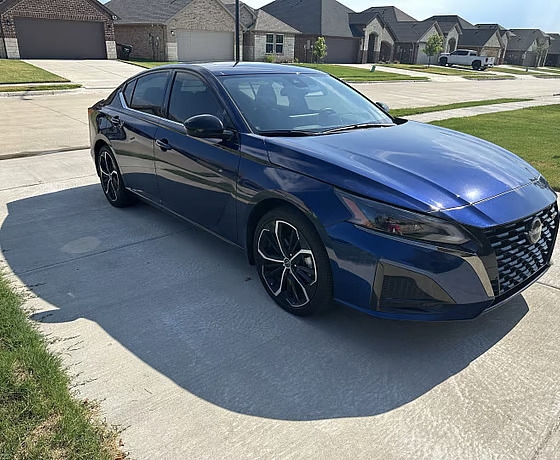
Choosing the right auto insurance policy can feel confusing, especially when you encounter terms like liability, collision, and comprehensive coverage. Full coverage car insurance is a commonly used term for a combination of coverages designed to provide broader financial protection for drivers and their vehicles. Comparing personalized auto insurance quotes can help you understand the available options, evaluate different coverage levels, and find a policy that fits your vehicle, driving habits, and budget. Before purchasing a policy, it is important to understand what full coverage actually includes and what it does not.
What Is Full Coverage Car Insurance?
Full coverage car insurance generally refers to a policy that combines state-required liability insurance with collision and comprehensive coverage. However, it is not a standardized insurance product, and the exact protection depends on the coverages, limits, deductibles, and exclusions listed in your policy.
Liability insurance helps cover injuries or property damage you cause to others in an at-fault accident. Collision coverage helps pay for damage to your own vehicle following a covered collision, while comprehensive coverage addresses certain non-collision losses, such as theft, vandalism, and weather-related damage.
Although the term suggests complete protection, full coverage does not cover every possible accident, repair, or financial loss. Additional coverages may be necessary depending on your circumstances.
1. Liability Coverage: Protecting You Against Third-Party Claims
Liability coverage is a fundamental component of most auto insurance policies. It generally includes two main types of protection: bodily injury liability and property damage liability.
Bodily injury liability can help pay for medical expenses, lost wages, and certain legal expenses when you are responsible for injuries to other people in a covered accident, subject to policy terms and limits.
Property damage liability can help pay to repair or replace another person's vehicle or property damaged in an accident for which you are legally responsible.
For example, if you accidentally hit another vehicle at an intersection, liability coverage may help pay for the other driver's covered losses. However, it generally does not pay to repair your own vehicle. Collision coverage may help with that expense if your policy includes it.
Each state has its own minimum insurance requirements. Drivers should consider whether those minimums provide sufficient financial protection for their circumstances.
2. Collision Coverage: Protection for Your Own Vehicle
Collision coverage helps pay for covered damage to your vehicle resulting from a collision, regardless of whether you hit another car or a stationary object. Depending on the circumstances and policy terms, it may apply when you collide with another vehicle, strike a fence, or lose control and hit a guardrail.
For example, suppose you accidentally collide with another car and your vehicle requires $3,000 in repairs. If your collision deductible is $500 and the damage is covered, your insurer may pay the remaining $2,500, subject to the policy's terms and limits.
Collision coverage is particularly worth considering if your vehicle is relatively new, expensive to repair, or essential for your daily transportation.
Remember that you are generally responsible for paying your deductible before collision coverage contributes to a covered repair. The deductible and your vehicle's value should be considered when deciding whether this coverage makes financial sense.
3. Comprehensive Coverage: Protection Beyond Collisions
Comprehensive coverage helps pay for certain types of vehicle damage that do not result from a collision. It can provide valuable protection against unexpected events that may be expensive to handle out of pocket.
Depending on your policy, covered events may include:
-
Vehicle theft
-
Vandalism
-
Hail, wind, and certain other weather-related damage
-
Falling objects, such as tree branches
-
Fire damage
-
Damage caused by hitting an animal
For example, if a severe storm damages your parked vehicle, comprehensive coverage may help pay for covered repairs after you meet your deductible.
Comprehensive insurance does not cover every non-collision event. Routine maintenance, mechanical breakdowns, and normal wear and tear are generally excluded. Review your policy to understand the specific covered events, exclusions, and limits.
4. What Does Full Coverage Car Insurance Not Cover?
One of the biggest misconceptions about full coverage is that it protects against every possible loss. In reality, standard full coverage arrangements have limitations.
Common exclusions or situations requiring separate coverage may include:
-
Mechanical breakdowns: Repairs resulting from ordinary mechanical failure are generally not covered.
-
Routine maintenance: Oil changes, tire replacement due to normal wear, and regular servicing are typically your responsibility.
-
Personal belongings: Items stolen from your vehicle may require coverage under a homeowners or renters policy.
-
Medical expenses: Liability, collision, and comprehensive coverage do not automatically provide all the medical protection you may need. Medical payments coverage or personal injury protection may be available, depending on your state.
-
Rental expenses: A rental car may not be covered unless you have applicable rental reimbursement coverage.
-
Business use: Certain commercial driving activities may require additional or different coverage.
Understanding these limitations helps you avoid unexpected expenses and choose appropriate protection.
5. How to Find Cheap Car Insurance Without Losing Important Coverage
Finding cheap car insurance does not necessarily mean choosing the policy with the lowest advertised price. The goal is to identify an affordable policy that provides suitable protection for your financial situation and vehicle.
Start by comparing quotes from multiple insurers using the same liability limits, collision and comprehensive deductibles, and optional coverages. This makes it easier to determine whether a lower premium represents genuine savings or simply less protection.
You can also ask insurers about available discounts for safe driving, multiple vehicles, qualifying policy bundles, or eligible vehicle safety features. Increasing your deductible may reduce your premium, but only choose an amount you could comfortably afford after a covered claim.
KarKiosk Insurance offers an online starting point for exploring auto insurance quote options. Visit KarKiosk Insurance to enter your information and investigate available options from insurance providers. Comparing quotes can help you make a more informed decision about balancing cost and coverage.
6. Who Should Consider Full Coverage Car Insurance?
Full coverage may be particularly useful for drivers who want financial protection for damage to their own vehicles in addition to liability protection for others.
It may be worth considering if:
-
You have a newer or higher-value vehicle.
-
You would struggle to pay for major repairs or replace your car after a serious accident.
-
You have an auto loan or lease that requires collision and comprehensive coverage.
-
You regularly depend on your vehicle for commuting or family responsibilities.
If you own an older vehicle outright, the decision may be less straightforward. Compare the cost of collision and comprehensive coverage with your car's current market value, deductible, and your ability to cover potential repairs or replacement yourself.
If you finance or lease your vehicle, check your lender's requirements before changing your coverage.
7. How to Choose the Right Full Coverage Policy
Selecting a suitable policy requires more than checking the monthly premium. Review the liability limits, deductibles, exclusions, optional benefits, and claims process before making your decision.
Consider how much financial risk you can reasonably manage yourself. Higher liability limits may offer greater financial protection, while lower deductibles can reduce your immediate expenses after certain covered claims but may increase your premium.
It is also helpful to review your policy at renewal. Your vehicle's value, driving habits, location, and financial circumstances may change over time, affecting which coverage options make sense.
Use quote comparisons to evaluate policies with similar terms rather than comparing prices alone. This approach can help you identify value without overlooking important protections.
Conclusion
Full coverage car insurance generally combines liability, collision, and comprehensive coverage to provide broader protection than liability-only insurance. It can help cover damage to your vehicle in certain situations while also protecting you against covered claims involving other people and their property. However, it does not cover every possible expense, and the details vary by policy.
Before choosing a policy, assess your vehicle's value, financial needs, state requirements, and potential out-of-pocket costs. Compare coverage limits and deductibles alongside premiums to find the right balance between affordability and protection.
To begin exploring your options, visit KarKiosk Insurance. Comparing available auto insurance quotes can help you make a more informed decision and find coverage suited to your needs.
Frequently Asked Questions
1. Is full coverage car insurance required by law?
Most states require drivers to carry certain minimum liability coverage, but they generally do not require every driver to purchase collision and comprehensive coverage. However, lenders and leasing companies commonly require these coverages for financed or leased vehicles.
2. Does full coverage car insurance cover damage to my own car?
It can. Collision coverage may pay for covered collision damage, while comprehensive coverage may pay for certain non-collision losses, such as theft or hail damage. Deductibles, exclusions, and policy limits apply.
3. Is full coverage car insurance worth the extra cost?
It depends on your vehicle's value, financial situation, deductible, and ability to pay for repairs or replacement. Full coverage may be worthwhile for newer or financed vehicles, while owners of older vehicles should compare the cost of coverage with the potential benefit.
- Goth Lifestyle
- Fashion & Style
- Music & Bands
- Art & Photography
- Creative Writing & Poetry
- Events & Scene
- Occult & Spirituality
- DIY & Tutorials
- Beauty & Self-Care
- Relationships & Dating
- Gaming & Media
- Tech & Gadgets
- Body Art & Piercings
- Underground Culture
- Spotlights & Interviews
- Travel & Places
- Lifestyle & Daily Life
- Fitness & Health
- Travel & Adventure
- Books & Literature
- Tech & Gaming
- Movies & TV
- Food & Drinks
- Humor & Memes
- Pets & Animals
- General Arts & Crafts

 English
 Arabic
 French
 Spanish
 Portuguese
 Deutsch
 Turkish
 Dutch
 Italiano
 Russian
 Romaian
 Greek
