


Roof Coatings Denver: Understanding Roof Protection, Energy Efficiency, and Maintenance
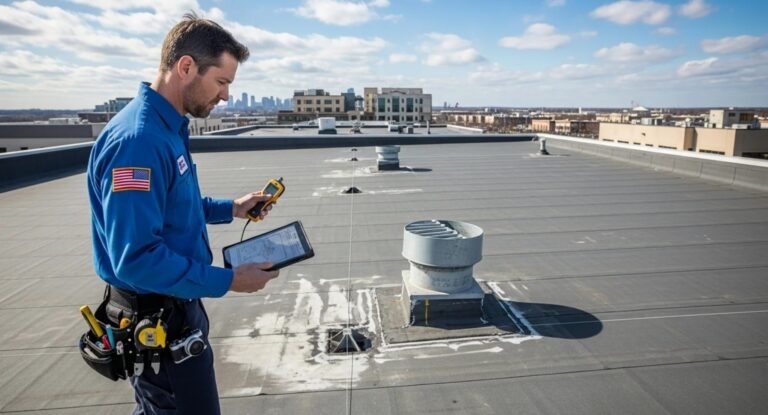
Roof maintenance is an important part of protecting residential, commercial, and industrial properties against changing weather conditions. In Denver, Colorado, roofs experience intense sunlight, seasonal temperature fluctuations, hailstorms, snowfall, and occasional heavy rainfall. These environmental factors can gradually affect roofing materials, increase maintenance requirements, and contribute to premature deterioration. Roof coatings are one option for extending the service life of certain existing roofing systems when the underlying structure remains suitable for restoration.
Understanding roof coatings denver helps property owners learn about coating types, application methods, energy efficiency considerations, maintenance requirements, and the factors that influence long-term roofing performance. A suitable coating can provide an additional protective layer, but its effectiveness depends on roof condition, material compatibility, installation quality, and ongoing maintenance.
What Are Roof Coatings?
Roof coatings are liquid-applied materials that form a protective membrane over an existing roofing surface after curing. They are designed to help protect roofs against environmental exposure, ultraviolet radiation, and moisture. Depending on the formulation, some coatings can also improve solar reflectivity and reduce heat absorption.
Unlike a complete roof replacement, coating application generally involves retaining the existing roof system when it remains structurally sound and appropriate for restoration. Surface preparation, localized repairs, and compatibility testing are essential before application.
Roof coatings are commonly used on commercial buildings, warehouses, industrial facilities, and other properties with flat or low-slope roofs. Some systems may also be appropriate for other roof types, depending on the manufacturer's specifications and the existing materials.
A roof coating does not correct every roofing problem. Structural deterioration, extensive water damage, saturated insulation, and serious drainage defects may require repairs or replacement before a coating can be considered.
Why Roof Coatings Matter in Denver
Denver's climate presents several challenges that influence roof durability. Understanding these conditions helps property owners determine when protective coatings may be useful.
Protection Against Ultraviolet Radiation
Denver receives substantial sunshine throughout the year, and ultraviolet radiation can gradually degrade exposed roofing materials. Prolonged exposure may cause certain surfaces to become brittle, crack, or lose their protective properties.
Some roof coatings are formulated to resist ultraviolet degradation. Reflective coatings can also reduce the amount of solar energy absorbed by a roof, depending on their color and surface characteristics.
Regular inspections help identify coating deterioration before the underlying roofing materials become exposed.
Managing Temperature Changes
Roofing materials expand and contract as temperatures change. Repeated movement can place stress on seams, joints, flashing, and other vulnerable areas.
Certain elastomeric coatings are designed to accommodate limited movement without immediately cracking. However, their performance depends on the coating formulation, application thickness, substrate condition, and installation details.
Roof coatings cannot eliminate all movement-related problems, particularly where structural movement or existing defects are present.
Hail, Snow, and Moisture Exposure
Hailstorms can damage exposed roofing materials and protective coatings. Snow accumulation and freeze-thaw cycles may also create additional stress, especially when drainage systems are obstructed.
A coating's ability to withstand impact varies by product and system design. Following severe weather, an inspection can help determine whether the coating remains intact or requires repair.
Proper drainage is equally important. Standing water can accelerate deterioration in some roofing systems and may indicate problems with roof slope, drains, or underlying construction.
Common Types of Roof Coatings
Different coating materials offer distinct characteristics. Selection depends on the existing roof, environmental exposure, budget, and expected maintenance requirements.
Silicone Roof Coatings
Silicone coatings are commonly used on suitable flat and low-slope roofs. They offer strong resistance to moisture and can perform well in areas where temporary ponding occurs, provided the specific product is designed for those conditions.
Silicone coatings can also resist ultraviolet exposure. However, their surfaces may collect dirt, which can reduce reflectivity over time. Adhesion to existing materials must be evaluated, and future repairs may require special preparation because some materials adhere poorly to cured silicone.
Acrylic Roof Coatings
Acrylic coatings are generally water-based and are frequently selected for their reflective properties. They can help reduce solar heat absorption when maintained in suitable condition.
These coatings typically perform best when water drains effectively from the roof. Prolonged ponding water can affect their durability, depending on the formulation. Weather conditions during application also influence curing and overall performance.
Polyurethane Roof Coatings
Polyurethane coatings are often used where abrasion resistance and durability are important. Depending on the formulation, they may be suitable for roofs exposed to foot traffic, mechanical equipment, or other physical stresses.
Different polyurethane products have different characteristics, so the coating must be matched to the roofing substrate and intended use. Appropriate surface preparation and application procedures remain essential.
Elastomeric Roof Coatings
Elastomeric roof coatings are designed to stretch and recover within specified limits as the roof experiences movement and temperature changes. These coatings may be formulated using acrylic, silicone, or other materials.
The term describes a performance characteristic rather than one specific chemical composition. Product selection should therefore be based on documented performance, compatibility, and environmental requirements.
The Roof Coating Application Process
A successful roof coating project begins with a detailed evaluation of the existing roofing system. The process generally includes several important stages.
First, the roof surface is inspected for leaks, deteriorated materials, damaged flashing, loose seams, and drainage issues. Moisture within the roofing assembly may require further investigation.
Next, the surface is cleaned to remove dirt, debris, and contaminants that could interfere with adhesion. Damaged sections are repaired, and primers may be applied where required by the coating manufacturer.
The coating is then applied according to product specifications, including the required thickness, coverage rate, and curing conditions. Roof penetrations, edges, and transitions receive particular attention because these areas are common locations for leaks.
After application, the completed system should be inspected to identify missed areas, inconsistent coverage, or other defects. Documentation of materials and application details can support future maintenance and warranty assessments.
Energy Efficiency and Reflective Roof Surfaces
Reflective roof coatings can reduce the amount of sunlight absorbed by a roof. This can lower roof surface temperatures during sunny conditions and may reduce cooling demand in buildings with substantial heat transfer through the roof.
The actual energy benefit depends on several factors, including existing insulation, roof construction, building occupancy, HVAC efficiency, and local weather. Reflective coatings generally have a greater effect on cooling loads than heating loads, and their overall impact varies by building.
Property owners should also recognize that reflectivity may decline as a roof becomes dirty or the coating ages. Periodic cleaning and maintenance, when recommended for the specific product, can help preserve its intended performance.
Maintenance and Inspection Considerations
Roof coatings require ongoing maintenance to remain effective. Inspections should examine the surface for cracking, peeling, blistering, punctures, and areas where the underlying roofing material has become exposed.
Drainage systems should remain clear of leaves, dirt, and other debris. Flashing around vents, skylights, pipes, and rooftop equipment should also be checked regularly.
Additional inspections may be appropriate after hailstorms, heavy snowfall, or severe winds. Minor defects can sometimes be repaired locally, but widespread deterioration may indicate that a more extensive restoration or replacement is necessary.
The timing of recoating depends on the product, original application thickness, roof exposure, and maintenance history. Manufacturer guidance and professional assessments can help establish an appropriate maintenance schedule.
Conclusion
Roof coatings can provide an additional layer of protection for suitable existing roofing systems in Denver's variable climate. Their potential benefits include ultraviolet resistance, improved reflectivity, and reduced exposure of underlying roofing materials to environmental conditions.
However, results depend on selecting a compatible coating, preparing the surface correctly, addressing existing defects, and maintaining effective drainage. Regular inspections and timely repairs remain essential for identifying problems before they become more extensive.
By understanding coating materials, application requirements, and long-term maintenance considerations, property owners can make informed decisions about roof restoration and determine whether a coating system is appropriate for their buildings.
- Goth Lifestyle
- Fashion & Style
- Music & Bands
- Art & Photography
- Creative Writing & Poetry
- Events & Scene
- Occult & Spirituality
- DIY & Tutorials
- Beauty & Self-Care
- Relationships & Dating
- Gaming & Media
- Tech & Gadgets
- Body Art & Piercings
- Underground Culture
- Spotlights & Interviews
- Travel & Places
- Lifestyle & Daily Life
- Fitness & Health
- Travel & Adventure
- Books & Literature
- Tech & Gaming
- Movies & TV
- Food & Drinks
- Humor & Memes
- Pets & Animals
- General Arts & Crafts

 English
 Arabic
 Spanish
 Portuguese
 Deutsch
 Turkish
 Dutch
 Italiano
 Russian
 Romaian
 Portuguese (Brazil)
 Greek
