


Best Age for a Ride-On Car: How to Choose the Right Size, Speed and Features for Your Child
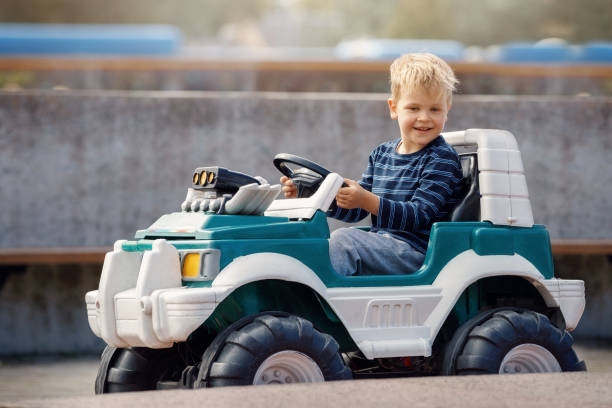
Choosing the right ride-on toy can be exciting for both parents and children. However, with so many models available, finding a suitable option takes more thought than simply picking a favourite colour or design. When comparing ride on cars and jeeps, parents should consider their child's age, height, weight, coordination and experience with ride-on toys. These factors help determine which vehicle is comfortable, manageable and appropriate for everyday play.
Ride-on cars come in different styles, from simple push-along toys for toddlers to battery-powered vehicles with steering wheels, pedals and parental remote controls. Some models are designed for smooth indoor floors, while others have larger wheels and suspension for outdoor use. Understanding these differences can help parents choose a toy that suits their child's current abilities rather than buying one that is too difficult to operate.
What Is the Best Age for a Ride-On Car?
There is no single perfect age for every child. The right time depends on the vehicle's design, the manufacturer's age recommendation and the child's physical development. A simple ride-on toy may suit a young toddler, while a powered vehicle generally requires greater coordination and an understanding of basic instructions.
Always check the manufacturer's minimum age, maximum weight and safety guidance before buying. Age ranges are useful starting points, but they do not replace checking whether a particular model is suitable for your child.
Ride-On Cars for Children Aged 1–2 Years
Children in this age group are still developing balance, coordination and spatial awareness. A simple ride-on toy that moves through foot power may be more suitable than a battery-powered car.
Look for features such as:
-
A wide, stable base to help reduce the risk of tipping.
-
A low seat that allows the child to get on and off comfortably.
-
A supportive design with easy-to-reach handles.
-
Smooth wheels suitable for the intended surface.
-
No small detachable parts that could create a choking hazard.
Some toys are designed for children who are just learning to sit and move independently, while others require them to push themselves along using their feet. Follow the manufacturer's instructions and supervise play closely.
Ride-On Cars for Children Aged 2–3 Years
Many children in this age range become more confident with steering, stopping and moving around obstacles. A foot-powered car or a suitable battery-powered model with a low-speed setting may be an option, provided the manufacturer approves it for the child's age and abilities.
Useful features include a simple steering wheel, a comfortable seat and an easy-to-understand control layout. For powered models, a parental remote control can help an adult guide the vehicle while the child becomes familiar with it.
Choose a model that is easy to control rather than one with unnecessary buttons or complicated functions.
Ride-On Cars for Children Aged 3–5 Years
Children aged three to five may be ready for a wider range of ride-on vehicles. Depending on their development and the model's specifications, they may be able to use a battery-powered car or jeep with basic steering and pedal controls.
Parents can compare:
-
Forward and reverse functions.
-
A low-speed mode for beginners.
-
A secure seat and suitable footwell.
-
A parental remote control, where available.
-
A stable wheelbase and appropriate tyres.
-
A seat belt or restraint system designed for that model.
A larger vehicle is not automatically a better choice. Your child should be able to sit comfortably, reach the controls and understand simple safety instructions.
Ride-On Cars for Children Aged 5 Years and Older
Older children may prefer vehicles with more space, a higher permitted weight limit or additional driving features. Some ride-on jeeps offer more substantial styling, larger wheels, working lights and music functions.
Before choosing a more powerful model, check the maximum permitted speed and the age guidance. Children should only use a vehicle they can control confidently, and adult supervision remains important.
A vehicle designed for older children should not be selected solely because it looks more exciting. The child must still meet the manufacturer's requirements for safe use.
How to Choose the Right Size Ride-On Car
Size affects comfort, control and stability. A vehicle that is too small may leave a child's knees cramped, while one that is too large may make it difficult to reach the steering wheel or pedals.
Check Your Child's Height and Weight
Start by measuring your child's height and checking their weight against the product specifications. The maximum weight limit is especially important for powered ride-on toys because exceeding it may affect performance and handling.
Check the seat dimensions and available legroom where measurements are provided. Your child should be able to sit naturally without being squeezed into the seat or stretching uncomfortably to reach the controls.
Consider Seat Position and Foot Space
A suitable ride-on vehicle should allow the child to sit upright with their feet positioned comfortably. For pedal-operated models, the child should be able to reach the pedals without sliding forward or leaning excessively.
Steering should also feel manageable. If the wheel is too far away or difficult to turn, the vehicle may be unsuitable even if the child is within the stated age range.
Think About Where the Car Will Be Used
The intended surface can affect the size and design you need. Small ride-on toys may work well on smooth indoor floors, while outdoor models often have larger wheels and more ground clearance.
Before buying an outdoor vehicle, consider whether it will be used on grass, paving or other suitable surfaces. Not every ride-on car is designed for uneven ground, gravel or steep areas.
What Speed Is Suitable for a Child's Ride-On Car?
Speed is one of the most important factors when selecting a battery-powered vehicle. A car that moves too quickly can be difficult for a young child to steer or stop, especially when they are still learning how the controls work.
Choose a Low-Speed Option for Beginners
For a child who has never used a powered ride-on toy, a model with a low-speed setting is often a sensible starting point. It gives the child time to practise steering and understand how the vehicle responds.
Do not assume that every car marketed for toddlers or preschoolers has the same speed. Check the manufacturer's stated speed rather than relying on appearance or general age recommendations.
Understand Speed Settings
Some models provide more than one speed setting. This can be useful as a child's confidence and control improve, but a higher setting should only be used when permitted by the manufacturer and appropriate for the child's abilities.
If the vehicle includes a parental remote control, an adult may be able to steer or stop it when necessary. Check the remote's functions before use and practise in a clear, controlled area.
Match Speed to the Play Area
Even a relatively slow ride-on car needs enough space to move and stop safely. Avoid roads, driveways with moving vehicles, steep slopes, swimming pools and areas with obstacles or pedestrians.
Use the vehicle on a flat, suitable surface and follow the manufacturer's instructions about where it can be operated. Never allow a child to use a ride-on car in traffic.
Important Features to Look for in Ride On Cars and Jeeps
The best features are those that make the vehicle suitable for your child and easy for you to supervise. Lights, sounds and realistic styling can make a toy more appealing, but safety and usability should come first.
Parental Remote Control
A parental remote control can be particularly useful with certain battery-powered models. Depending on the design, it may allow an adult to steer the car, guide its movement or stop it when needed.
Check the remote's operating range and functions, and make sure it works correctly before each play session. A remote control is an additional safeguard, not a substitute for supervision.
Seat Belts and Seating Support
Some ride-on cars include seat belts or other restraints. Check that any restraint is designed for the specific vehicle, fits correctly and is used according to the instructions.
A belt alone does not make a vehicle safe for every child. The seat, vehicle stability, speed and child's ability to follow instructions all matter.
Battery and Charging System
Battery-powered vehicles need proper charging and maintenance. Check the battery type, charging time, expected play duration and replacement arrangements before buying.
Use only the supplied or manufacturer-approved charger. Follow the charging instructions, keep charging equipment away from children and stop using the battery if it appears damaged, swollen or unusually hot.
Wheels, Tyres and Stability
The wheels should suit the surfaces where the vehicle will be used. Some models have plastic wheels for smoother surfaces, while others use different tyre designs for additional grip.
Look for a stable design and check whether the manufacturer permits outdoor use. Features such as suspension or larger tyres may improve the experience on suitable surfaces, but they do not make every terrain safe.
Lights, Sounds and Entertainment Features
Working headlights, music and sound effects can make play more engaging. Some models also offer dashboard-style controls or storage areas.
Treat these as optional extras. A simple vehicle with suitable controls, comfortable seating and a manageable speed may be a better choice than a model with many features that distract the child.
Ride-On Cars vs Ride-On Jeeps: Which Should You Choose?
Cars and jeeps can both provide enjoyable play, but their designs may suit different needs.
Ride-On Cars
Ride-on cars often have a compact, sporty or familiar family-car design. Smaller models may be easier to store and manoeuvre in limited space, although the actual dimensions vary between products.
They may be a suitable option for children who prefer a traditional car shape or for families who want a vehicle for a designated play area.
Ride-On Jeeps
Ride-on jeeps usually have a larger, more rugged appearance. Some models offer a wider body, larger wheels or additional seating space, but these features vary by manufacturer.
A jeep may appeal to a child who enjoys adventurous styling. However, its size and weight should be checked carefully, especially if the vehicle needs to pass through doorways or fit into a storage area.
Which Is Better?
Neither design is automatically better for every child. Compare the exact dimensions, age range, weight limit, speed, controls and recommended surfaces.
If storage space is limited, a smaller car may be more practical. If your child prefers a jeep-style vehicle and the available space is suitable, that design may be worth considering. In both cases, safety and fit should guide the decision.
How to Keep Your Child Safe While Using a Ride-On Car
A suitable vehicle still needs safe surroundings and responsible supervision. Before every session, check the vehicle and the play area.
Follow these precautions:
-
Read the manufacturer's instructions. Confirm the approved age range, weight limit, speed and operating conditions.
-
Supervise your child. Stay close enough to intervene, especially when the child is learning to use a powered vehicle.
-
Choose a safe surface. Use a flat, clear area away from traffic, water, stairs and steep slopes.
-
Inspect the vehicle. Check the wheels, steering, seat, controls, battery and any restraint before use.
-
Keep other children clear. Make sure younger children and pets are not directly in the vehicle's path.
-
Use appropriate protective equipment. Follow the manufacturer's guidance and consider suitable protective gear, particularly for outdoor riding.
-
Stop if something seems wrong. Do not use a vehicle with damaged parts, faulty controls or an unreliable braking or stopping function.
Children should not be allowed to ride on public roads, and a ride-on toy should never be treated as a substitute for a properly regulated road vehicle.
Common Mistakes to Avoid When Buying a Ride-On Car
A few common buying mistakes can lead to a toy that is unsuitable or difficult to use.
Buying a Vehicle That Is Too Large
Parents sometimes choose a larger model so their child can use it for longer. However, a vehicle that is too big may make it difficult to reach the controls or sit comfortably. Select a model that fits the child now and remains within its permitted limits.
Choosing Based on Appearance Alone
Bright colours, realistic designs and music features can be appealing, but they do not tell you whether the car is suitable. Check its specifications and safety instructions before making a decision.
Ignoring the Speed
Two vehicles with similar designs can have different maximum speeds. Always verify the stated speed and available settings, particularly when buying a first powered ride-on toy.
Forgetting About Storage
Measure the space where you intend to keep the vehicle. Battery-powered cars and jeeps can take up more room than expected, and some models may be too wide for narrow doors or small storage areas.
Overlooking Battery Care
Charging requirements and battery replacement can affect the long-term convenience of a ride-on car. Read the charging instructions and check whether replacement batteries are available for the model.
Frequently Asked Questions
Can a 1-year-old use a ride-on car?
Some ride-on toys are designed for children around this age, but suitability depends on the exact model and the child's development. Choose a product specifically approved for the child's age, and supervise closely.
Are battery-powered ride-on cars suitable for toddlers?
Some models are designed for younger children, but not all battery-powered vehicles are appropriate for toddlers. Check the manufacturer's minimum age, speed, controls and supervision requirements before buying.
Is a remote-controlled ride-on car better for beginners?
A parental remote control can help adults guide certain vehicles while a child learns. However, it does not remove the need for supervision or make an otherwise unsuitable vehicle appropriate for a younger child.
How fast should a child's ride-on car go?
There is no single speed that is right for every child. Look for a model with a manageable speed and, where available, a low-speed setting. Always follow the manufacturer's guidance and consider the child's coordination and experience.
Should I buy a ride-on car or a jeep?
Choose based on the child's preference, available space and the vehicle's specifications. A car may be more compact, while a jeep may offer a larger design. Compare the actual dimensions, controls, weight limit and speed rather than choosing by appearance alone.
How long does a ride-on car battery last?
Battery life varies with the battery capacity, vehicle design, surface, load and how the car is used. Check the manufacturer's estimated play time and charging duration, and follow its battery-care instructions.
Can children use ride-on cars outdoors?
Only if the manufacturer permits outdoor use and the surface is suitable. Avoid roads, steep slopes, wet or slippery areas and places with hazards. Supervise the child throughout the session.
Final Thoughts
The best age for a ride-on car depends on the child's development and the vehicle's design. Younger children may be better suited to simple foot-powered toys, while some older toddlers and preschoolers may be ready for an appropriately designed battery-powered model.
When comparing ride on cars and jeeps, focus on size, speed, stability, comfortable seating and easy-to-use controls. Check the manufacturer's age and weight limits, consider where the vehicle will be used, and make supervision part of every play session. Choosing a vehicle that matches your child's abilities can help make ride-on play more comfortable, enjoyable and responsible.
- Goth Lifestyle
- Fashion & Style
- Music & Bands
- Art & Photography
- Creative Writing & Poetry
- Events & Scene
- Occult & Spirituality
- DIY & Tutorials
- Beauty & Self-Care
- Relationships & Dating
- Gaming & Media
- Tech & Gadgets
- Body Art & Piercings
- Underground Culture
- Spotlights & Interviews
- Travel & Places
- Lifestyle & Daily Life
- Fitness & Health
- Travel & Adventure
- Books & Literature
- Tech & Gaming
- Movies & TV
- Food & Drinks
- Humor & Memes
- Pets & Animals
- General Arts & Crafts

 English
 Arabic
 French
 Spanish
 Portuguese
 Deutsch
 Turkish
 Dutch
Dutch
 Italiano
 Russian
 Romaian
 Portuguese (Brazil)
