


Domestic EPC Explained: How Energy Ratings Work and Ways to Improve Your Home’s Score
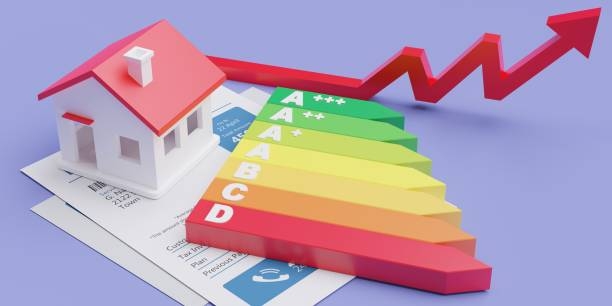
A domestic EPC (Energy Performance Certificate) helps homeowners, landlords and buyers understand how energy efficient a property is. It provides an energy rating from A to G, estimates typical energy costs and suggests improvements that could make a home more efficient. Whether you are selling a property, renting one out or planning energy-saving upgrades, understanding your EPC can help you make informed decisions.
Many UK households want to reduce heating costs, improve indoor comfort and understand which home improvements are worth considering. An Energy Performance Certificate provides a useful starting point by assessing a property's construction, heating systems, insulation and other energy-related features.
This guide explains how domestic EPC ratings work, what happens during an assessment, when a certificate is required and practical ways to improve your home's energy performance.
What Is a Domestic EPC?
A domestic Energy Performance Certificate is an official document that provides information about the energy efficiency of a residential property.
It gives the home an energy efficiency rating and includes recommendations for possible improvements.
EPCs are commonly used when properties are sold, rented or newly constructed.
The certificate helps prospective buyers and tenants compare the expected energy performance of different homes.
What Information Does a Domestic EPC Include?
A typical domestic EPC contains:
-
The property's current energy efficiency rating.
-
Its potential rating after recommended improvements.
-
Estimated energy costs based on standard assumptions.
-
Information about heating, hot water and insulation.
-
Energy performance assessments for relevant property features.
-
Suggested energy-saving improvements.
-
Estimated costs and potential benefits of certain upgrades.
-
The certificate's issue date and validity period.
An EPC is based on an approved assessment method rather than the current household's actual energy bills.
This means your real energy costs may differ depending on occupancy, heating habits, tariffs and weather conditions.
Understanding Domestic EPC Ratings From A to G
Domestic EPC ratings use a scale from A to G.
An A-rated home is generally considered highly energy efficient, while a G-rated property has a much lower energy performance rating.
| EPC Rating | Energy Efficiency | General Meaning |
|---|---|---|
| A | Very high | Excellent energy performance |
| B | High | Very good energy performance |
| C | Good | Relatively efficient home |
| D | Moderate | Some improvements may be beneficial |
| E | Below average | Greater potential for energy-saving upgrades |
| F | Low | Significant efficiency improvements may be needed |
| G | Very low | Poor energy performance |
What Is a Good EPC Rating for a House?
An EPC rating of C or above is often regarded as a desirable target for improving a home's energy performance.
However, the right improvements depend on the building's age, construction, condition and existing systems.
Older homes may require more careful planning, particularly where traditional building materials or conservation restrictions are involved.
What Is the Difference Between Current and Potential EPC Ratings?
Your certificate normally shows two ratings.
The current rating reflects the property's assessed energy performance at the time of inspection.
The potential rating estimates what the property could achieve if specified improvements were completed.
For example, a home currently rated D might have the potential to reach C or B after suitable insulation, heating and other upgrades.
The potential score is an estimate, not a guarantee.
How Is a Domestic EPC Calculated?
Domestic EPC assessments consider a range of property characteristics.
The calculation follows an approved government methodology designed to provide a consistent way of comparing homes.
Insulation
Insulation is an important part of the assessment because it affects how much heat escapes from the property.
The assessor may consider:
-
Loft or roof insulation.
-
Wall construction and insulation.
-
Floor insulation where relevant.
-
The type and condition of windows.
-
Evidence of existing energy efficiency improvements.
Properties with better insulation generally require less energy to maintain comfortable indoor temperatures.
Heating Systems
The main heating system can have a significant effect on the EPC rating.
The assessment considers factors such as the heating type, system efficiency and controls.
For example, an efficient heating system with suitable thermostatic controls may perform better than an older system with limited controls.
Windows and Glazing
Double or triple glazing can reduce heat loss compared with some older single-glazed windows.
However, replacing windows is not always the most cost-effective first improvement.
The existing condition of the windows and the property's wider insulation should also be considered.
Hot Water
The method used to heat domestic hot water contributes to the assessment.
Hot water cylinder insulation, system efficiency and heating controls can influence the result.
Lighting
The proportion of fixed low-energy lighting is another factor.
Replacing older bulbs with suitable LED lighting is often a relatively straightforward improvement.
Renewable Energy
Certain renewable technologies, including solar photovoltaic panels, may improve a property's assessed energy performance.
Their impact depends on the installation and the assessment methodology.
What Happens During a Domestic EPC Assessment?
A domestic EPC assessment is usually a non-invasive inspection carried out by an accredited domestic energy assessor.
The assessor collects information about the property and its energy-related features.
Step 1: Property Information
The assessor records details such as the property's type, approximate age, size and construction.
They may also check the layout and identify different building elements.
Step 2: Heating and Hot Water Inspection
The assessor examines accessible heating and hot water equipment.
This may include the boiler, heating controls, radiators and hot water cylinder.
Step 3: Insulation and Windows
The assessor checks relevant insulation details where they can be established and records the types of windows installed.
Where insulation cannot be confirmed, the assessment methodology may require assumptions.
Providing suitable documentary evidence of hidden insulation can therefore be useful.
Step 4: Measurements and Data Collection
The assessor takes measurements and records the information needed for the EPC calculation.
The assessment does not normally require opening walls or removing building materials.
Step 5: Certificate Production
The assessor enters the collected information into approved software.
The resulting EPC is lodged on the appropriate official register and includes the property's rating and recommendations.
How Long Does a Domestic EPC Take?
A typical domestic EPC inspection may take around 30 to 60 minutes for a straightforward property.
Larger houses, unusual layouts or more complex construction can take longer.
The exact duration depends on the property and the information available.
The certificate is produced after the assessor completes the required calculations and registration process.
When Do You Need a Domestic EPC in the UK?
A domestic EPC is generally required when a qualifying residential property is constructed, sold or rented.
However, rules and exemptions differ across England, Wales, Scotland and Northern Ireland.
Selling a House
In England and Wales, an EPC is generally required when marketing a home for sale, unless a valid certificate already exists or an exemption applies.
The certificate helps prospective buyers understand the property's energy performance.
Renting Out a Property
Landlords generally need a valid EPC when marketing a property for rent, subject to applicable exemptions.
Minimum energy efficiency requirements may also apply.
Building a New Home
Newly constructed homes normally require an EPC following completion, using the appropriate new-build assessment method.
Is an EPC Required for Every Property?
Not always.
Certain buildings and circumstances may qualify for exemptions, depending on the jurisdiction and property type.
It is important to check the relevant rules rather than assuming that every residential building is treated in the same way.
How Long Is a Domestic EPC Valid?
A domestic EPC is generally valid for 10 years.
If a valid certificate already exists, a new one is not usually required simply because the property changes ownership.
However, if significant energy improvements have been completed, obtaining an updated EPC may be worthwhile.
A new assessment can provide a more accurate picture of the property's current energy performance.
How to Improve Your Domestic EPC Rating
Improving an EPC rating often involves reducing heat loss, upgrading inefficient systems and making better use of energy.
Not every improvement is suitable for every property, so it is sensible to review the certificate's recommendations before spending money.
1. Improve Loft Insulation
Heat can escape through an inadequately insulated roof.
Adding or upgrading loft insulation may help reduce heat loss and improve energy efficiency.
Before installing insulation, check ventilation, moisture conditions and whether the loft contains any existing problems.
2. Consider Wall Insulation
Wall insulation can make a significant difference to heat loss.
The appropriate solution depends on whether the property has cavity walls, solid walls or another construction type.
Cavity wall insulation may be suitable for some homes, while solid-wall insulation can require more detailed planning.
Professional assessment is particularly important for older properties because unsuitable insulation can contribute to moisture problems.
3. Upgrade Heating Controls
Modern heating controls can help households manage temperatures more effectively.
Depending on the existing system, improvements may include:
-
Programmable heating controls.
-
Room thermostats.
-
Thermostatic radiator valves.
-
Appropriate heating zones.
-
Smart controls compatible with the heating system.
Better controls can improve comfort and reduce unnecessary energy use.
4. Improve the Heating System
An old or inefficient heating system may contribute to a lower EPC rating.
Upgrading to a more efficient system could improve the property's energy performance.
Options may include a suitable modern boiler or a heat pump, depending on the home and its heating requirements.
Before making a major change, consider insulation, radiator sizing, installation costs and professional advice.
5. Install Energy-Efficient Lighting
Replacing older incandescent or halogen bulbs with suitable LEDs is a relatively simple upgrade.
LED lighting generally uses less electricity and lasts longer than traditional incandescent bulbs.
Although lighting alone may not produce a major EPC improvement, it can form part of a wider energy-saving plan.
6. Improve Windows and Draught Proofing
Poorly fitted windows and doors can allow unwanted air leakage.
Suitable draught proofing may improve comfort and reduce heat loss.
Double or triple glazing can also improve thermal performance, although the cost and potential savings should be assessed carefully.
Draught proofing should not block ventilation required for safe indoor air quality or heating appliances.
7. Consider Solar Panels
Solar photovoltaic panels generate electricity from sunlight.
For suitable homes, they may reduce the amount of electricity purchased from the grid and improve the EPC assessment.
Their suitability depends on roof condition, orientation, shading, installation costs and other factors.
Which EPC Improvements Should You Prioritise?
The most effective approach is to consider cost, suitability and likely benefit rather than choosing the most expensive upgrade.
| Improvement | Typical Cost Level | Main Consideration |
|---|---|---|
| LED lighting | Low | Simple improvement with modest EPC impact |
| Draught proofing | Low to moderate | Improves comfort; EPC impact may be limited |
| Loft insulation | Low to moderate | Often worthwhile where insulation is inadequate |
| Heating controls | Low to moderate | Helps manage heating more effectively |
| Cavity wall insulation | Moderate | Suitable only for appropriate wall construction |
| Double glazing | High | Benefits depend on existing windows |
| Heating system upgrade | High | Requires careful assessment |
| Solid-wall insulation | High | Complex installation and moisture considerations |
| Solar panels | High | Depends on roof suitability and energy use |
These are broad comparisons. Actual installation costs and EPC improvements vary considerably between properties.
The best first step is to examine the recommendations on your existing certificate and obtain appropriate professional advice.
Domestic EPC Requirements for Landlords
Landlords should pay particular attention to EPC regulations because energy efficiency standards can affect whether a property can legally be let.
In England and Wales, the established Minimum Energy Efficiency Standards framework generally requires applicable privately rented properties to meet at least EPC E, unless a valid exemption applies.
Government policy on future minimum standards may change, so landlords should check the latest rules and implementation dates before planning upgrades.
Scotland and Northern Ireland have their own regulatory arrangements.
A domestic EPC provides useful information, but it does not replace checks on other landlord responsibilities, such as gas safety, electrical safety and property condition.
Common Mistakes That Can Affect an EPC Assessment
Homeowners sometimes overlook information that could help an assessor accurately record the property's energy features.
Common issues include:
-
Not providing evidence of insulation that cannot be seen.
-
Forgetting to mention recent heating improvements.
-
Assuming all energy-saving work automatically increases the EPC rating.
-
Using an outdated certificate after significant upgrades.
-
Confusing estimated EPC energy costs with actual household bills.
If you have documentation for insulation, glazing or heating improvements, make it available to the assessor.
This can help ensure that the assessment reflects the available evidence.
How to Find a Qualified Domestic Energy Assessor
A domestic EPC should be produced by an appropriately accredited energy assessor.
Before arranging an assessment, check that the assessor is registered with an approved accreditation scheme.
You can also ask about the inspection process, expected timescale and whether the quoted price includes certificate lodgement.
For properties in Coventry, the West Midlands or elsewhere in the UK, choosing an assessor familiar with the relevant assessment rules can help make the process straightforward.
Frequently Asked Questions
What does domestic EPC mean?
Domestic EPC stands for Domestic Energy Performance Certificate. It assesses the energy performance of a residential property and provides a rating from A to G.
Is an EPC rating of D good?
A D rating indicates moderate energy performance. The property may have opportunities for improvement, particularly through insulation, heating controls or more efficient systems.
Can I improve my EPC rating from D to C?
It may be possible, depending on the property. Suitable insulation, heating improvements and other upgrades can help, but the result must be confirmed through a new assessment.
Do I need a new EPC after installing a new boiler?
Not automatically. An existing EPC normally remains valid for its original period, but a new assessment may be useful if you want the improvements reflected in an updated rating.
Can I sell a house with a low EPC rating?
Generally, a low EPC rating does not itself prevent the sale of a residential property in England and Wales. However, a valid EPC is usually required when marketing the property, unless an exemption applies.
How much does a domestic EPC cost?
The price varies according to the property's size, location, complexity and assessor. It is worth comparing quotations and confirming what is included.
Does an EPC tell me my actual energy bills?
No. EPC energy cost estimates use standardised assumptions. Your actual bills depend on how many people live in the property, energy tariffs, heating habits and other factors.
Can solar panels improve an EPC rating?
Yes, suitable solar photovoltaic installations can improve a property's assessed energy performance, although the actual impact varies.
Final Thoughts
Understanding your domestic EPC is an important step towards making your home more energy efficient.
The certificate shows how your property performs under a standard assessment method and identifies improvements that may help reduce energy demand and improve comfort.
Whether you are preparing to sell, planning to rent out a property or considering home upgrades, reviewing your EPC can help you decide where to focus your attention.
Start with practical improvements, consider the condition and construction of your property, and seek qualified advice before investing in major work. A thoughtful approach can improve your home's energy performance without unnecessary spending.
- Goth Lifestyle
- Fashion & Style
- Music & Bands
- Art & Photography
- Creative Writing & Poetry
- Events & Scene
- Occult & Spirituality
- DIY & Tutorials
- Beauty & Self-Care
- Relationships & Dating
- Gaming & Media
- Tech & Gadgets
- Body Art & Piercings
- Underground Culture
- Spotlights & Interviews
- Travel & Places
- Lifestyle & Daily Life
- Fitness & Health
- Travel & Adventure
- Books & Literature
- Tech & Gaming
- Movies & TV
- Food & Drinks
- Humor & Memes
- Pets & Animals
- General Arts & Crafts

 English
 Arabic
 French
 Spanish
 Portuguese
 Deutsch
 Turkish
 Dutch
Dutch
 Italiano
 Russian
 Romaian
 Portuguese (Brazil)
